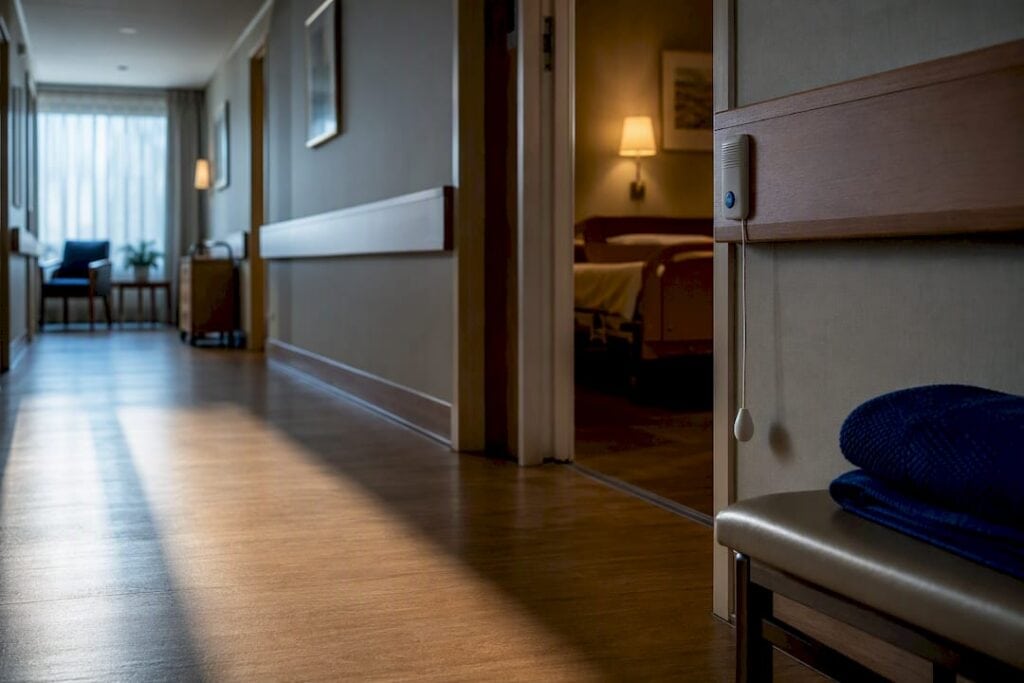
The clearest warning signs of nursing home neglect are pressure ulcers, unexplained weight loss or dehydration, unexplained injuries or repeated falls, missed or incorrect medications, and sudden emotional or behavioral changes. Any of these, when left unexplained or uninvestigated by staff, deserves documentation and a formal report. The sections below walk through how to recognize each sign and exactly what to do once you spot one.
TL;DR:
- Pressure ulcers that worsen despite repositioning, unexplained weight loss, and dehydration are strong signals of neglect related to poor monitoring and feeding.
- Unexplained bruises, repeated injuries without documented falls, and inconsistencies in staff explanations indicate potential physical abuse or overlooked injuries requiring further investigation.
- Behavioral and emotional changes such as withdrawal, fear, or agitation often reflect underlying neglect and should be evaluated alongside physical signs during visits.
- Facility issues like unanswered call bells, neglected common areas, and staffing gaps during shifts point to systemic problems that increase neglect risks and demand immediate escalation.
- Early documentation of the signs, including detailed notes, photos, and records, combined with prompt reporting to authorities, greatly improves the chances of addressing neglect effectively.
Table of Contents
- Physical signs of neglect to watch for during visits
- Injuries, falls, and medication problems that raise red flags
- Emotional and behavioral changes that often go unnoticed
- Facility and staffing conditions that signal deeper problems
- How to document concerns and what to do next
- Telling medical decline apart from preventable neglect
- What legal rights nursing home residents actually have
- Why nursing home neglect happens in the first place
- The lasting toll neglect takes on residents
- Why families should never wait to document what they see
- How Keller & Keller can help after you spot warning signs
- Sources
- FAQ
Physical signs of neglect to watch for during visits
Pressure ulcers, also called bedsores, form when a resident is left in one position too long without repositioning. A new or worsening ulcer is one of the strongest physical indicators of inadequate monitoring, since these wounds are largely preventable with routine turning and skin checks, according to guidance from NCEA/USC.
Unexplained weight loss and dehydration often show up before a diagnosis does. Sunken eyes, dry lips, low energy, and a sudden disinterest in meals can all point to inadequate feeding assistance or fluid monitoring, both flagged as common neglect indicators by the same NCEA/USC report.
Hygiene and environmental cues matter just as much as clinical ones. Notice these during a visit:
- Soiled clothing, bedding, or a room that smells strongly of urine.
- Visible pests, grime buildup, or a bathroom that has not been cleaned recently.
- A resident missing a hearing aid, dentures, glasses, or a walker they normally use.
- Untreated rashes, sores, or infections that staff have not mentioned.
You do not need a medical background to notice these signs. Bring a small notebook or your phone, note the date and what you observed, and take a photo of anything visible and non-graphic, like a stained garment or an empty water pitcher left untouched. An untreated infection is sometimes tied to a larger problem: sepsis, for instance, can develop when wounds or urinary infections go unmonitored, and it is worth asking directly whether any infection has been reported to a physician.
Injuries, falls, and medication problems that raise red flags
Bruises in unusual locations, such as the upper arms, inner thighs, or torso, are harder to explain by accidental bumps than bruises on the shins or hands. Repeated fractures, especially without a documented fall, and inconsistent explanations from different staff members about the same injury are patterns worth tracking rather than one-off concerns.
Medication problems tend to surface in behavior before anyone reads a chart. Watch for:
- Confusion, drowsiness, or slurred speech that appears shortly after scheduled medication rounds.
- A resident who seems oddly sedated for several days in a row.
- Missed doses your loved one mentions, or medication bottles that look untouched.
- Staff giving different answers when you ask what was administered and when.
Keep a simple log of when injuries or symptoms appeared and what staff told you at the time. A single inconsistency might be a miscommunication, but a pattern across visits is a signal the facility’s monitoring has gaps.
Emotional and behavioral changes that often go unnoticed
Physical signs get most of the attention, but the Department of Justice notes that behavioral and emotional changes, including withdrawal, fear, and agitation, can be just as telling as an injury and should prompt the same level of concern.
Look for:
- Withdrawal from conversation, activities, or visits they used to enjoy.
- Visible fear, flinching, or reluctance to speak in front of a specific staff member.
- Sudden mood swings, excessive apologizing, or rocking and self-soothing behaviors.
- Reports of being mistreated, even if vague or inconsistent.
Many residents underreport what is happening to them, out of fear, confusion, or a desire to avoid conflict with the people caring for them daily. Ask open, low-pressure questions such as “How have the staff been treating you this week?” rather than leading questions, and write down their answers in their own words as soon as you can.
Facility and staffing conditions that signal deeper problems
Some of the most reliable warning signs are not about your loved one at all. They are about the building and the people running it. During a visit, watch for long delays after a call bell is pressed, care plans that are missing or unreadable, dirty common areas, restricted access to certain floors, or a noticeable staffing gap during meals or shift changes.
- Call bells that go unanswered for extended periods on more than one visit.
- Common areas or hallways that look neglected, cluttered, or unclean.
- Staff who seem rushed, thin in number, or unfamiliar with your loved one’s needs.
Facilities with better staff support and lower turnover show measurably better resident outcomes, while high turnover correlates with more falls and pressure ulcers, according to CDC research on nursing home staffing. When the building itself looks and feels neglected, treat it as a reason to escalate immediately rather than wait for a single incident.
How to document concerns and what to do next
Documentation is what turns a worried feeling into something a regulator, ombudsman, or attorney can act on. Use this sequence the day you notice a concern:
- Write down the date, time, and which staff members were present.
- Record exact quotes from staff explanations, not paraphrases.
- Take clear, non-graphic photos of visible conditions like soiled linens or an unattended meal tray.
- Note call-bell response times if you can observe them.
- Log any missed meals, missed medications, or skipped hygiene care your loved one mentions.
- Request the medical records, medication administration records, and any incident reports tied to the concern in writing.
- Report the concern to the facility administrator, then to your state’s long-term care ombudsman and Adult Protective Services.
- File a complaint with your state survey agency or the CMS complaint line, and contact the state Medicaid Fraud Control Unit if you suspect billing fraud or misuse of funds, per CMS guidance for families.
Pro Tip: Ask for records in writing and keep a copy of your request. Facilities are required to respond, and a paper trail protects you if the response is slow or incomplete.
If your loved one shows signs of injury, infection, or dehydration, get a medical evaluation immediately, before you file any paperwork. Once you have documentation and a medical opinion, a visit-ready checklist can help you organize what you have gathered before speaking with an attorney.
Telling medical decline apart from preventable neglect
Some changes are explained by legitimate medical conditions. Advanced illness, a stroke, or dementia progression can cause weight loss, confusion, or mobility changes that look similar to neglect but are not. The distinction matters because it changes what you should ask for next.
Request a documented explanation from the treating physician, not just a verbal reassurance from staff. Ask what the care plan says about the resident’s condition, whether the facility adjusted care in response, and whether the change was reported to family promptly. If the explanation feels incomplete or the facility cannot produce records supporting it, request an independent medical review before accepting the facility’s account.
What legal rights nursing home residents actually have
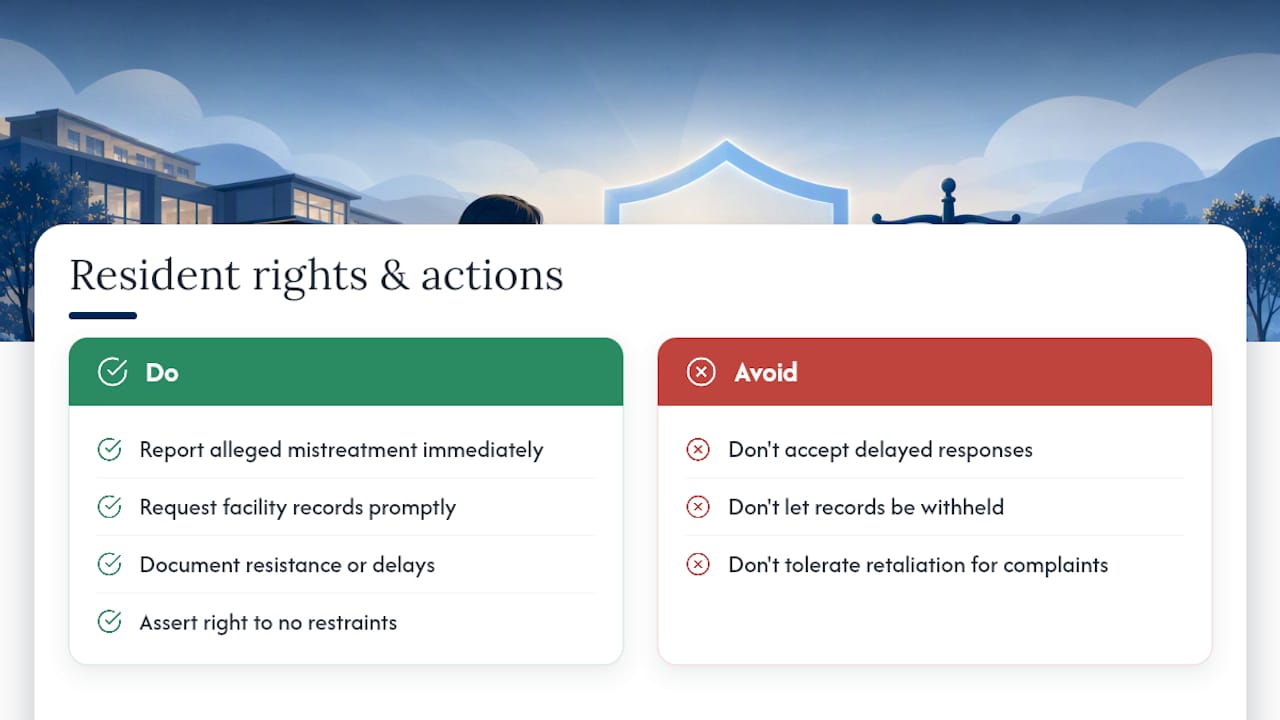
Nursing home residents are protected under federal regulations that require facilities to prevent avoidable harm and respond promptly when it occurs. Under 42 C.F.R. §483.13, facilities must report alleged mistreatment, neglect, abuse, or injuries of unknown source immediately, and investigation results must generally reach the state within 5 working days. Neglect is defined as failing to provide the goods or services needed to avoid physical harm or mental anguish, while abuse is the willful infliction of harm. Both are covered by the same federal reporting duty.
These protections give families a legal basis for pushing back when a facility is slow to respond or reluctant to share records. Residents also have the right to be free from unnecessary physical or chemical restraints, to participate in their own care planning, and to have complaints investigated without retaliation. When a facility resists these rights, that resistance is itself worth documenting, since it can become relevant if the concern escalates into a formal complaint or legal claim.
Why nursing home neglect happens in the first place
Neglect rarely stems from a single bad actor. It usually traces back to understaffing, high turnover, inadequate training, or a facility culture that tolerates shortcuts. When call bells go unanswered for long stretches or care plans are missing, the underlying cause is often a staff-to-resident ratio that leaves aides unable to complete basic rounds on time.
Financial pressure plays a role too. Facilities operating on thin margins sometimes cut staffing or supplies, which shows up first in small ways, like a resident going unbathed for an extra day, before it shows up in a serious injury. Poor training compounds the problem: aides who are not taught proper repositioning or feeding techniques are more likely to miss the early signs of a developing pressure ulcer or swallowing difficulty. Recognizing that these causes are systemic, not personal, is part of why facility-level indicators, not just an individual resident’s symptoms, matter so much when you are trying to judge whether a facility is safe.

The lasting toll neglect takes on residents
The consequences of nursing home neglect rarely end when the immediate problem is treated. A pressure ulcer that progresses to infection can lead to sepsis, extended hospitalization, or permanent tissue damage. Dehydration and malnutrition weaken the immune system, making residents more vulnerable to illness long after the initial episode resolves.
The psychological toll is just as real. Residents who experience neglect often become more withdrawn, more fearful of caregivers, and less willing to voice new concerns, which can make future problems harder to catch. Families sometimes describe a lasting change in trust, both in the facility and in the idea of care itself, that outlasts the physical recovery. Early documentation and a fast, informed response are what limit how far that damage spreads.
Why families should never wait to document what they see
In the cases we have reviewed, the families who acted early, wrote things down, asked direct questions, and reported concerns promptly, gave their loved ones the best chance at a fast, safe resolution. An ombudsman or Adult Protective Services report often resolves a concern without conflict or delay. When you are not sure whether what you are seeing is neglect, document it anyway and ask.
— Adam
How Keller & Keller can help after you spot warning signs
If you have documented signs of neglect and are unsure what comes next, free case evaluations with no fees unless the case is won can help. Legal teams can review the records and notes you have gathered, help you understand what immediate safety steps to take, and explain your legal options in plain terms.

- We review medical records, medication logs, and incident reports at no cost to you.
- We help you understand which reporting agencies apply to your situation.
- We explain what a nursing home abuse claim can and cannot recover.
Start with a free case evaluation to find out where your documentation stands and what your next step should be.
Sources
For federal guidance, see the Department of Justice’s elder abuse red flags, CMS’s family reporting guide, and the National Institute on Aging’s elder abuse overview. Contact your local long-term care ombudsman or Adult Protective Services office to report concerns confidentially.
- Red Flags of Elder Abuse — U.S. Department of Justice
- Nursing Home Neglect: Preventing It and Getting Help — NCEA/USC
- Nursing Home Toolkit: Nursing Homes — A Guide for Medicaid Beneficiaries’ Families and Helpers — CMS
- CDC research on nursing home staffing, retention, and resident outcomes
FAQ
What is considered neglect in a nursing home?
Neglect is the failure to provide the goods or services a resident needs to avoid physical harm or mental anguish, such as adequate food, hygiene, medication, or supervision. It is distinct from abuse, which involves the willful infliction of harm, though both are covered under the same federal reporting requirements.
Is it hard to prove nursing home neglect?
Proving neglect is easier when you have documentation such as dated notes, photos, medication records, and incident reports gathered close to when the concern arose. Working with a long-term care ombudsman or an attorney early can help you understand what evidence strengthens a claim before records become harder to obtain.
How not to end up in a nursing home?
There is no single way to avoid needing nursing home care, since the decision usually depends on a person’s medical needs, mobility, and available support at home. Families exploring alternatives often look into in-home care, adult day programs, or assisted living, and should weigh each option against the level of supervision and medical care the person actually requires.
When should someone consider nursing home placement for a parent?
Placement is typically considered when a parent’s medical, mobility, or supervision needs exceed what family caregivers or in-home services can safely provide. A conversation with the parent’s physician about current and expected care needs can help clarify whether a nursing home, assisted living, or continued in-home care is the safer fit.