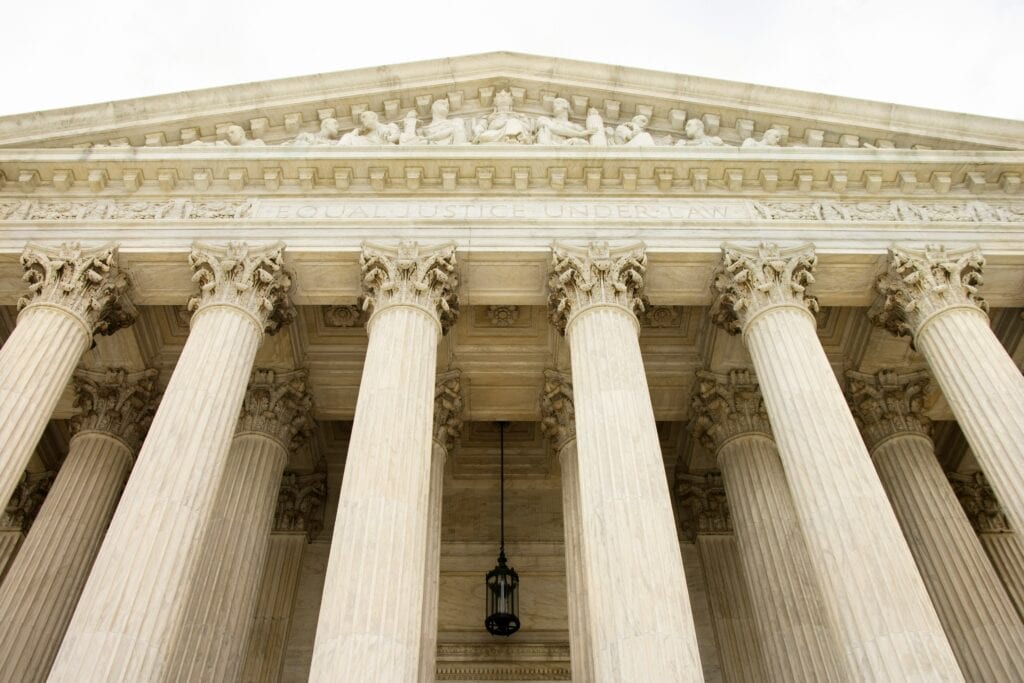
A recent U.S. Supreme Court decision could significantly impact how trucking accident claims are handled—and it’s a clear win for injury victims.
In Montgomery v. Caribe Transport II, LLC (decided May 14, 2026), the Court unanimously ruled that freight brokers can be held responsible under state law for negligent hiring decisions. This means companies that arrange shipments can no longer rely on federal law to shield themselves from lawsuits when they choose unsafe carriers.
What Happened
The case stems from a devastating 2017 crash in Illinois. Shawn Montgomery was standing near his parked vehicle when a speeding truck driver struck him, resulting in the loss of part of his leg.
The driver was working for Caribe Transport. The shipment, however, had been arranged by C.H. Robinson—one of the largest freight brokers in the country.
Montgomery sued, arguing that C.H. Robinson should never have hired the carrier due to serious safety concerns.
The Legal Question
At the heart of the case was a key issue:
Can freight brokers avoid responsibility for negligent hiring because of federal transportation law?
Specifically, brokers argued that the Federal Motor Carrier Safety Administration (FMCSA) regulations preempt state-level lawsuits—effectively blocking injured victims from pursuing claims against them.
The Supreme Court’s Decision
The Court rejected that argument.
In a unanimous decision, the justices ruled that federal law does not prevent injured individuals from bringing negligent hiring claims against freight brokers under state law.
This means brokers can be held accountable when they fail to properly vet the carriers they hire.
Why This Matters
This ruling has immediate and important implications:
- More accountability: Freight brokers can no longer hide behind federal preemption when unsafe carriers cause harm.
- Stronger cases for victims: Injured individuals now have a clearer path to pursue compensation from all responsible parties—not just the driver or trucking company.
- Industry ripple effects: Brokers may shift toward hiring larger, more compliant carriers to reduce legal risk.
Justice Kavanaugh, joined by Justice Alito, noted in a concurring opinion that the decision could lead to higher insurance costs for brokers and potentially higher prices for consumers. But for injury victims, the ruling reinforces an important principle: companies involved in transportation decisions must prioritize safety.
What This Means for Injury Victims
For people injured in trucking accidents, this decision is significant.
In many cases, the trucking company itself may lack sufficient insurance or assets to fully compensate victims. By allowing claims against freight brokers, courts are recognizing the broader chain of responsibility—and opening the door to more complete recoveries.
For example, if a broker hires a carrier with a known history of safety violations, that broker may now be held liable if a crash occurs.
The Bottom Line
The Supreme Court’s decision in Montgomery is a major win for plaintiffs and personal injury attorneys. It expands accountability in the trucking industry and strengthens the rights of those injured by negligent transportation practices.At Keller & Keller, we closely monitor rulings like this because they directly impact our clients’ ability to recover what they deserve. If you or a loved one has been injured in a trucking accident, understanding all potential sources of liability can make a critical difference. Call 1-800-2-Keller and get the Keller edge.