

Indiana Dog Bite Injury Lawyer
Keller & Keller Injury Lawyers’ Winning Approach
Free Case EvaluationInjured in a Dog Attack?
Get started with a free case evaluation. No Fee Until We Win.
100% Free Evaluation
Provide a few details and our team will handle the rest.
"*" indicates required fields

“As a busy mom of three, I’m so grateful I didn’t have to face the legal battle alone. Thank you, Keller & Keller Injury Lawyers.”
Kelly


When you or someone you love has been attacked by a dog, you need more than just any lawyer. You need a battle-tested sword and shield fighting for your rights.
At Keller & Keller, we’ve been maximizing client settlements and delivering justice since 1936, and we’re not going anywhere. With over 90 years of experience taking on insurance companies and negligent dog owners across Indiana, we’ve recovered millions of dollars for our clients. That’s not just a number. That’s hundreds of families we’ve helped get their lives back on track after devastating dog attacks.
Why You Need an Indiana Dog Bite Injury Lawyer After an Attack
The aftermath of a dog bite can turn your life upside down in an instant. Medical bills pile up, insurance companies pressure you to accept lowball offers, and you’re left dealing with physical scars and emotional trauma. But here’s the truth, dog owners and their insurance companies are already working against you.

Navigating Complex Legal Claims

Understanding Insurance Company Tactics

Understanding Statute of Limitations
Navigating Complex
Legal Claims
Indiana’s dog bite laws are more complicated than most people realize. The state follows a “one-bite rule” with strict liability exceptions, meaning the legal strategy depends entirely on whether the dog had previously shown aggressive behavior. Proving negligence, establishing the dog owner’s knowledge of dangerous propensities, and navigating homeowner’s insurance policies requires specialized knowledge. Without proper representation, you’re facing an uphill battle alone.
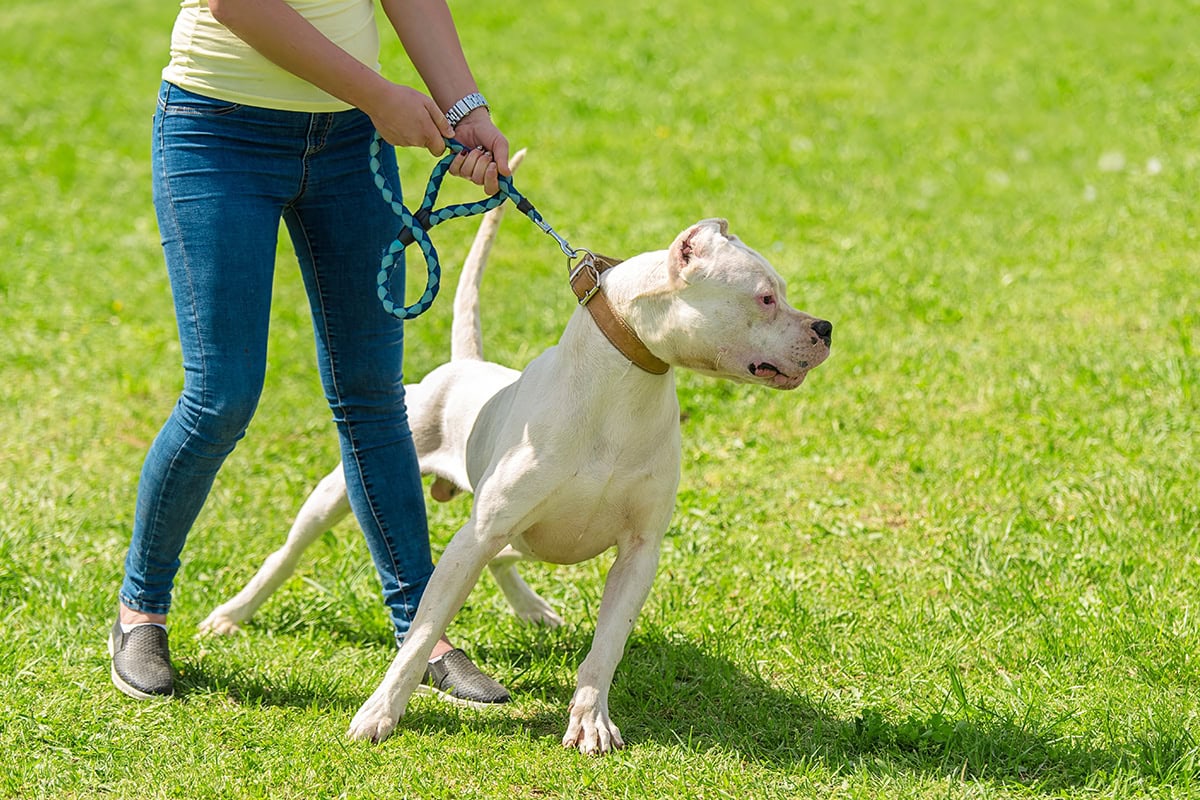
Understanding Insurance Company Tactics
Homeowner’s insurance policies typically cover dog bite liability, but insurers work hard to minimize payouts. They’ll question the severity of your injuries, suggest you provoked the animal, or claim the attack happened because you were trespassing. Their adjusters know exactly how to use your words against you. At Keller & Keller, we’ve seen every trick in the insurance company playbook and know how to counter these tactics to protect your interests.

Understanding Statute of Limitations
Indiana law gives you only two years from the date of the dog bite to file a personal injury lawsuit. Miss this deadline, and you forfeit your right to compensation permanently. Evidence disappears, witnesses’ memories fade, and your case becomes impossible to prove. Our Indiana dog bite injury lawyers ensure all paperwork is filed correctly and on time, preserving your right to seek the justice and compensation you deserve.

What to Do After a Dog Bite Attack
The actions you take immediately after a dog bite in Indiana can make or break your case.
See What Your Case Is WorthEven seemingly minor bites can cause serious infections or nerve damage, see a doctor right away
Official documentation creates a record of the attack and helps identify if the dog has a history of aggression
Get the owner’s name, address, phone number, and homeowner’s insurance information
If you’re able, take photos of your injuries, the dog, and where the attack occurred
Get names and contact details from anyone who saw what happened
Save all medical bills, treatment records, and missed work documentation
Insurance companies may try to get you to sign releases that limit your rights
The sooner we start working, the better we can protect your interests and gather crucial evidence

The Keller & Keller Injury Lawyers Approach:
Indiana Injury Lawyers Who Fight to Win
From the moment you contact us, you’ll notice the difference in our approach. Our client-first philosophy means we take the time to understand not just the details of your accident but how it has affected your life, your work, your family, and your future in Indiana. We clearly communicate every step of the process in plain language you can understand, no confusing legal jargon. This approach has earned us countless 5-star reviews from real Indiana clients who’ve experienced the Keller & Keller difference firsthand.
We understand that being injured in an accident is stressful enough without having to chase down your lawyer for updates. That’s why we’ve built our practice around transparent, consistent communication.
When you hire us, you’ll have direct access to the Indiana-based attorney handling your case as well as a dedicated paralegal who monitors its daily status. We keep you informed throughout every stage of your claim, explaining what’s happening, what to expect next, and how it affects your case.
Our 90+ years of experience isn’t just about longevity. It’s about results. Our attorneys have successfully handled thousands of cases in Indiana and recovered thousands of millions of dollars for our clients. We’ve gone toe-to-toe with the biggest insurance companies and won. Our courtroom experience means we’re always prepared to take your case to trial if that’s what it takes to secure fair compensation. This willingness to fight, and our track record of success, often motivates insurance companies to offer better settlements to avoid facing us in court.
The Dog Bite Injury Claim Process with Keller & Keller Injury Lawyers
When you hire us, we don’t waste time. Our investigation starts immediately because evidence disappears fast.
Types of Dog Bite Cases We Handle
We handle all types of dog attacks and animal injury cases across Indiana, and each one presents its own challenges.
A severe facial injury is a bite to the cheeks, lips, nose or eyelids that tears tissue and may leave a lasting mark. These injuries are especially devastating for children, whose faces can sit close to a dog’s mouth. They can require plastic surgery and cause permanent scarring and disfigurement, and the final result may not be known for a long time.
Will One Surgery Fix It?
Often it won’t. An emergency room may close the wound the same day, but a plastic surgeon may want to wait months before revising a scar, since scars tend to change as they mature. Bites near the eye or mouth can bring other problems, such as trouble closing an eyelid or changes in how someone eats and speaks.
A child’s care can run longest, because a scar on a growing face may stretch or pull over the years. A surgeon may suggest putting off some work until the child is older. Our post on what a dog bite injury claim may be worth explains why a fair figure is hard to reach before treatment has run its course.
What If the Dog Had Never Bitten Anyone?
Facial bites often come from a family pet or a neighbor’s dog with no record at all, so this question tends to come up early. People call the Indiana approach a “one-bite rule”, but that label can mislead. Strict liability is limited to a narrow statute for people carrying out legal duties. Under Indiana common law, all dogs are presumed harmless. That presumption is overcome by evidence of a known or dangerous propensity shown by specific acts of that dog (Poznanski v. Horvath, 788 N.E.2d 1255 (Ind. 2003)).
An owner is generally liable only if the owner knew or had reason to know of the dog’s dangerous propensities. A jury may not infer that knowledge just because the dog showed the tendency for the first time in the attack itself. A dangerous propensity is defined broadly, though, as any tendency that might endanger people in a given situation, so an earlier bite isn’t the only thing that counts.
The knowledge may also be constructive, a legal term for what the owner should have known from the circumstances. The Court of Appeals sent such a case to trial in Daniels v. Drake, No. 22A-CT-68 (Ind. Ct. App. Sept. 9, 2022), without finding the owner liable. A separate negligence claim over how the dog was kept may also be available, depending on the facts.
Proof of What a Scar Has Taken
- A photo timeline. Pictures from the first day, after each procedure and on later anniversaries can show change that one current image can’t.
- The plastic surgeon’s plan. Notes on revision work still to come may show that care isn’t finished.
- Counseling records. Avoiding mirrors, photos or social events may be recorded here and nowhere else.
- Complaints about the dog. Neighbor reports, animal control calls and vet notes about warning signs of aggression may help show what the owner knew.
Hand and arm injuries are the wounds of someone fighting back. They often occur when victims try to protect themselves, throwing up an arm or reaching out to shield a face, a child or a pet. The result can be nerve damage, lost function and permanent disability, even where the wound itself looks small.
Why a Small-Looking Wound Can End a Career
The hand fits nerves, tendons and small joints into very little space, with not much tissue over them. A deep puncture can reach those structures, and a dog that holds on and shakes can tear what a few stitches won’t repair. Numbness, a weak grip or fingers that won’t fully close may remain after the skin has healed.
What that costs depends on the person. An electrician who can’t feel a small screw and a nurse who can’t start an IV face different losses from the same wound. Which hand was hurt matters too, along with whether the work can be done any other way.
- Nerve testing. Studies such as a nerve conduction test may measure damage a visual exam can’t.
- Hand therapy notes. Grip and range-of-motion numbers taken over time can show whether function is returning.
- A functional capacity evaluation. This testing can describe what you can lift, grasp and repeat in a working day.
- Job descriptions and pay records. These may tie a physical limit to the work you can no longer do.
Can You Be Blamed for Reaching In?
Owners and insurers sometimes argue that the injured person caused part of the harm, especially where someone stepped into a dog fight, grabbed a collar or reached toward a dog that was eating. For comparative fault purposes, “fault” includes unreasonable assumption of risk and incurred risk (Ind. Code § 34-6-2.1-68). In plain terms, that means the defense may say you knowingly walked into the danger. In one Court of Appeals case, incurred risk was left for trial rather than decided early (Martin v. Hayduk, 91 N.E.3d 601 (Ind. Ct. App. 2017)).
Any share of fault placed on you generally reduces your compensation in proportion (Ind. Code § 34-51-2-5). You’re generally barred only if your fault is more than 50 percent, measured against everyone whose fault contributed, including people who aren’t in the lawsuit (Ind. Code § 34-51-2-6). That rule doesn’t apply to claims against a governmental entity, where even slight fault can bar recovery.
The details of those few seconds can answer this argument. A person covering their face with an arm is in a different position from one who chose to approach a known biter. Doorbell video, a witness or even the location of the wounds may show which it was. Our post on the common ways dog bites happen in Indiana and our examples of dog owner negligence show how often the owner’s own choices set the scene.
Leg injuries are common when dogs attack from behind or below, often as someone walks, runs or rides past. A bite to the calf, thigh or ankle can cause muscle tears, tendon damage and mobility issues that outlast the wound. The person frequently never saw the dog coming, which leaves one obvious question: why was it loose?
From a Calf Bite to a Changed Walk
A dog that latches on and pulls can rip muscle as well as puncture it. Damage near the Achilles tendon or the knee may limit how the leg bends and bears weight, and scar tissue can leave a calf tight for a long time. A fall during the attack may add a broken wrist or hip, particularly for an older person. Physical therapy notes often give the clearest picture of what changed.
The Dog Was Running Free. Does That Matter?
It can, because a claim doesn’t always rest on the dog’s history. An owner must use reasonable care in keeping and controlling a dog, given the natural propensities of dogs, and may be liable in negligence for failing to do so (Ross v. Lowe, 619 N.E.2d 911 (Ind. 1993)). This route looks at the owner’s conduct: the broken latch, the dropped leash, the dog left outside an unfenced yard. Runners face this often, as our post on how runners can protect against dog attacks describes.
State law speaks to roaming too. An owner who allows a dog to stray beyond the owner’s premises commits a Class D infraction, unless the dog is under reasonable control or lawfully hunting (Ind. Code § 15-20-1-4). The same section makes it a crime to recklessly, knowingly or intentionally fail to take reasonable steps to restrain a dog that then enters another’s property and, unprovoked, bites or attacks someone and causes bodily injury.
Which Local Rule Applied Where You Were Hurt?
Local ordinances usually set leash rules, so the answer can change at a city line. Our overview of Indiana dog leash laws explains how these ordinances work. Three examples:
| Place | What the local code generally says |
|---|---|
| Indianapolis | An animal may not be at large, meaning loose and free roaming, not on a leash under a competent person’s control, or not in a secure enclosure (Revised Code §§ 531-101, 531-102). |
| Fort Wayne | Animals must be on a leash or lead under physical control, or confined within the owner’s or harborer’s property (City Code § 91.020). Stricter leash terms generally apply in public parks (§ 97.60). |
| Evansville | No one may be the custodian of a dog running at large or not under restraint, and a wireless or invisible fence doesn’t count as restraint (Municipal Code §§ 6.05.020, 6.05.040). |
Breaking one of these rules doesn’t settle the case. A leash or restraint ordinance can support negligence per se, meaning the violation itself may stand in for proof of carelessness. That holds only if the owner actually violated the ordinance and it was meant to protect people like you from that type of harm (Plesha v. Edmonds, 717 N.E.2d 981 (Ind. Ct. App. 1999)). So the exact wording of the ordinance, and where you and the dog were at that moment, can matter a great deal.
Child attack cases are particularly tragic, because children suffer more severe injuries due to their size and may develop lifelong psychological trauma. A dog that would catch an adult’s forearm can reach a small child’s head and neck. Many of these attacks involve an animal the child already knows, as our post on being wary of dogs you know discusses.
The Harm You Can’t See on an X-Ray
Young children often can’t say what they feel, so the trauma tends to show up in behavior. Parents may notice nightmares, bed-wetting, clinging, refusal to go outside or panic at the sound of barking. Some of this may fade with time and support, and some may follow a child for years.
A child psychologist can assess those changes and say whether treatment is likely to be needed later. Pediatric notes, teacher observations and school attendance records can help too, because they show the before and after through people outside the family. Our tips on dog bite prevention for children explain why small children are so exposed in the first place.
Could a Child Be Blamed for What Happened?
Insurers sometimes point to what the child did: a hug, a pulled tail, a run across the yard. Where contributory negligence applies, Indiana presumes that children aged 7 to 14 are incapable of it (Clay City Consolidated School Corp. v. Timberman, 918 N.E.2d 292 (Ind. 2009)). A defendant may try to rebut that presumption, so it doesn’t guarantee recovery, and Clay City itself involved a school. How it plays out in a claim against a private dog owner depends on the facts.
Whose House Was It?
The setting can shape the claim. The duty a landowner owes depends on whether a visitor is an invitee, a licensee or a trespasser (Burrell v. Meads, 569 N.E.2d 637 (Ind. 1991)). Social guests are treated as invitees in Indiana, so a host generally owes them reasonable care, and a child asked over to play may fit that category.
Family ties can make these cases hard. Parents may hesitate when the dog belongs to a grandparent or a close friend. It can help to know that a claim of this kind is often aimed at a homeowner’s or renter’s liability policy rather than the relative’s own savings, though coverage varies and some policies limit dog claims.
A child’s claim also has its own timing. People under 18 are under a legal disability, so an ordinary injury claim may generally be brought within two years after the child turns 18 (Ind. Code § 34-11-6-1). Shorter rules can apply to some defendants, and records about the dog are far easier to find early on.
Postal worker attacks involve federal employees bitten or attacked while performing their duties on a mail route. They raise complex compensation and liability issues, because federal benefit law and Indiana dog law both come into play. Indiana also treats a bite in this setting differently from most others. Our dog bite facts post touches on how often carriers are affected.
The Indiana Statute Written for People on Official Duties
Most Indiana dog claims turn on what the owner knew. Ind. Code § 15-20-1-3 is different. It makes the owner liable for all damages suffered by the person bitten when each of these is true:
- The dog acted without provocation. A carrier who kicked at or teased the animal may face a dispute here.
- The person was acting peaceably. Ordinary mail delivery would normally fit.
- The person was where they may be required to be. The location must relate to carrying out a duty under Indiana law, federal law or US postal regulations.
When those conditions are met, it doesn’t matter that the dog never behaved viciously before or that the owner knew of nothing. The Indiana Supreme Court described the earlier version of this law as making owners strictly liable for such bites, even where someone else had custody of the dog (Cook v. Whitsell-Sherman, 796 N.E.2d 271 (Ind. 2003)). It’s still a narrow statute. It covers bites, and it isn’t a general strict liability rule for ordinary visitors or neighbors. If its terms aren’t met, a carrier may be left with ordinary dog owner negligence theories.
Who Counts as the Owner?
“Owner” includes a person who possesses, keeps or harbors a dog (Ind. Code § 15-20-1-2). A landlord generally isn’t caught by that word. In Buehler v. Bocanegra, No. 22A-CT-2568 (Ind. Ct. App. June 16, 2023), a mail carrier lost against landlords who weren’t owners under the statute and lacked actual knowledge of the dog’s dangerous propensities. A landlord who doesn’t own the dog is generally liable only if it retained control of the property and actually knew of those propensities (Morehead v. Deitrich, 932 N.E.2d 1272 (Ind. Ct. App. 2010)).
Federal Benefits and a Claim Against the Owner
Postal Service employees are covered by the federal employees’ compensation law, the Federal Employees’ Compensation Act (FECA) (39 USC 1005(c)). That remedy is exclusive as to the United States, so it generally replaces a claim against the government itself (5 USC 8116(c)). By its terms it doesn’t bar a claim against a third party, such as a dog’s owner.
The two tracks do touch. The Secretary of Labor may require the employee to assign or pursue the claim against the third party. A beneficiary who recovers must refund compensation after deducting the costs of suit and a reasonable attorney’s fee, and any surplus is credited against future compensation (5 USC 8131(a), 8132). A settlement with an owner needs to account for that refund from the start.
These cases involve Amazon, UPS and FedEx drivers attacked on private property while working, along with other couriers who walk up to a porch or into a yard. The injury happens on the job but on someone else’s land. Two separate questions follow: what the work provides, and what the dog’s owner may owe.
Does the Mail Carrier Statute Help a Package Driver?
Don’t assume it does. Ind. Code § 15-20-1-3 is limited to a person who is where they may be required to be to carry out a duty under Indiana law, federal law or US postal regulations. Whether those words could reach a private driver isn’t something to take for granted, so a package driver shouldn’t count on that statute.
Outside that statute, Indiana dog claims generally turn on two questions. Did the owner know or have reason to know of the dog’s dangerous propensities? And did the owner use reasonable care in keeping and controlling the dog? A dog that lunged at earlier drivers, or one let out the front door as a truck pulled up, may matter under either. Our post on signs of aggression in dogs covers the kind of behavior an owner may have seen.
Were You Invited to That Door?
The duty a landowner owes depends on whether a visitor is an invitee, a licensee or a trespasser, and that category shouldn’t be assumed without the facts. One Court of Appeals decision treated a bitten visitor as an invitee owed reasonable care (Daniels v. Drake, No. 22A-CT-68 (Ind. Ct. App. Sept. 9, 2022)), but that doesn’t decide how a driver would be treated. Our guide to Indiana premises liability explains these categories.
Delivery work leaves an unusually good record of the visit:
- Order and drop-off notes. Instructions to leave a package at a side door or gate may show where you were expected to go.
- Scan and GPS data. These can place you at the address at a precise time.
- Doorbell video. Footage may show how the dog got out and who was holding the door.
- Driver reports. Earlier notes about a dog at that address may help show what the household knew.
Your Job’s Benefits, and the Owner’s Separate Responsibility
For an employee under the Worker’s Compensation Act, compensation is generally the exclusive remedy against the employer (Ind. Code § 22-3-2-6). If someone other than the employer or a co-employee is legally liable, you may sue that person even though compensation is paid or payable (Ind. Code § 22-3-2-13). A dog’s owner may be that person, and our post on when you need an attorney after a workplace accident explains how third-party claims arise.
The employer or its carrier generally has a lien on what you recover from the third party, and a release or settlement isn’t valid without the required written consents, with limited exceptions. Status can complicate things as well. A driver may work for a contractor rather than the brand on the box, and an independent contractor who makes no election isn’t subject to the compensation provisions (Ind. Code § 22-3-2-14.5). For someone paid through an app, the first question may be whether any coverage exists.
A multiple dog attack happens when two or more dogs, or a pack, go after one person at once. These are more dangerous situations, since one dog can knock a person down while others bite, and packs of dogs can cause catastrophic injuries. Immediate legal action can matter here, because the dogs may be moved or rehomed and the records that tell them apart can scatter quickly.
Sorting One Dog From Another
A single-dog claim asks what the owner knew about that animal. With a group, the question multiplies. The presumption that dogs are harmless is overcome by specific acts of the particular dog (Poznanski v. Horvath, 788 N.E.2d 1255 (Ind. 2003)), so one animal’s history may not automatically carry over to the others. Earlier incidents in which the dogs acted together may be especially useful, since a dangerous propensity can be any tendency that might endanger people in a given situation.
How the group was kept may be the stronger angle. An owner who has several dogs still has to use reasonable care in keeping and controlling them, which brings fencing, kennels and supervision into focus. Our list of examples of dog owner negligence gives a sense of what that can look like.
A local limit on the number of dogs doesn’t necessarily help. In Martin v. Hayduk, 91 N.E.3d 601 (Ind. Ct. App. 2017), the Court of Appeals found no negligence per se from a four-dog limit, because the limit didn’t target the harm that occurred. The court still sent the common-law negligence claim back for trial.
Two Households, One Attack
Neighbors’ dogs sometimes get out and run together. If they have different owners, each defendant generally pays only its own percentage of fault, and a verdict is entered that way (Ind. Code § 34-51-2-8). Joint and several liability no longer applies to cases under the Comparative Fault Act (Davidson v. State, 211 N.E.3d 914 (Ind. 2023)). There’s also no right of contribution among those at fault, though indemnity rights aren’t affected.
That makes it important to find everyone. A defendant can reduce its own share by proving that a nonparty was partly at fault, and you can’t collect the nonparty’s share unless that person is sued. If a second owner is never identified, part of the loss may go unpaid.
Records Worth Chasing Early
- Animal control files. Reports may note each dog’s description, tags and any earlier calls to the address.
- Bite documentation. Emergency room notes and photos can record each separate wound, which may help show how many dogs took part.
- Neighborhood video. Cameras along the route may show where the dogs came from and whether they left together.
- Court orders. In Fort Wayne, injuries from an unrestrained dog are classified by level, with listed orders against the owner or harborer (City Code § 91.034).
What happens to the animals after an attack can affect access to them, as our post on the fate of aggressive dogs describes.
These cases arise when bites lead to serious infections like rabies, sepsis or MRSA requiring extensive medical treatment. A dog’s teeth can push bacteria deep under the skin, and a puncture that looks minor may close over the contamination. For some people the infection, rather than the bite, becomes the main injury. Our post on properly treating a dog bite explains why even shallow wounds deserve attention.
From Puncture Wound to Hospital Bed
- Rabies. Human cases are rare, but the disease is generally fatal once symptoms begin. That’s why someone bitten by an animal of unknown vaccination status may need a course of shots with no symptoms at all. Our post on dog bites and rabies in Indiana has more background.
- Sepsis. This is the body’s extreme response to an infection. It can damage organs and may lead to intensive care, and in the worst cases to amputation.
- MRSA. Short for methicillin-resistant Staphylococcus aureus, this staph infection resists common antibiotics. It may call for IV antibiotics, drainage or further surgery.
Some people are more exposed than others. Age, diabetes and a weakened immune system can raise the risk, and a bite to the hand or near a joint can be harder to treat. Vaccination proof from the owner or a veterinarian can spare someone a difficult course of treatment, so getting those records quickly can matter.
Did the Bite Actually Cause This Infection?
This is where the dispute usually sits. An insurer may accept the bite but question the infection, particularly with MRSA, which a person can pick up in many places. Wound cultures, the timing of the first symptoms and a treating doctor’s opinion can help connect the two. If a provider’s care may have caused or worsened the problem, see our medical malpractice page.
Delay is the other common argument. Fault under the comparative fault chapter includes an unreasonable failure to avoid injury or mitigate damages (Ind. Code § 34-6-2.1-68). An insurer may say that you waited too long to be seen or skipped your antibiotics. Pharmacy records, follow-up visits and any instructions you were given can show what you actually did, and when.
What the Hospital Bills Can and Can’t Show
Long treatment produces large bills, and two Indiana rules affect how they’re used. Medical bills can be admitted as evidence that the charges were reasonable under Evidence Rule 413 (Patchett v. Lee, 60 N.E.3d 1025 (Ind. 2016)). A defendant may also introduce the discounted amounts providers actually accepted to show the reasonable value of the care, as long as insurance isn’t mentioned (Stanley v. Walker, 906 N.E.2d 852 (Ind. 2009)).
So a jury may see both the billed figure and a lower one. Evidence of what the care was worth, along with any ongoing need such as wound care or kidney follow-up after sepsis, may matter more than a single total. Separately, Indiana law generally requires proof of certain collateral source payments to be admitted, with listed exceptions (Ind. Code § 34-44-1-2).
A wrongful death claim arises in the tragic cases where a dog attack proves fatal, particularly involving children or elderly victims. Death may come during the attack or later, from blood loss, infection or a complication of treatment. Indiana has separate wrongful death rules, and the one that applies depends on who died. Our wrongful death page covers them in depth; this panel looks at how they meet a dog attack.
Which Indiana Statute Fits the Family?
| Person who died | Who brings the claim | What may be recovered |
|---|---|---|
| A child: unmarried, no dependents, and under 20, or under 23 and in postsecondary or career and technical education (Ind. Code § 34-23-2-1) | The parents jointly, or one naming the other as a codefendant, a custodial person after divorce, or a guardian | Loss of services, loss of love and companionship, and listed expenses such as health care, funeral, burial and counseling for a surviving parent or minor sibling |
| An “adult person”: generally unmarried, no dependents and not a child (Ind. Code § 34-23-1-2) | The personal representative only | Medical, hospital, funeral and burial expenses, plus loss of love and companionship, which is limited to $300,000 in the aggregate |
| Others, such as someone with a surviving spouse or dependents (Ind. Code § 34-23-1-1) | The personal representative | Includes medical, hospital, funeral and burial expenses and lost earnings, for the estate and the surviving spouse or dependents |
Many older victims fall in the middle row. A widowed grandparent whose grown children are independent would generally be an adult person, so grief can’t be included and evidence of lost earnings may not be heard. A parent or child seeking recovery must prove a genuine, substantial and ongoing relationship. Our explainer on the $300,000 limit on adult wrongful death damages goes through how that cap works.
The Dog Rules Don’t Go Away
Under the general act, a personal representative may sue only if the person who died could have sued had they lived. So the questions from any dog case generally remain: what the owner knew or should have known about the dog, and how it was kept. The harder part is that the most important witness is gone. Neighbors, first responders and animal control officers may need to fill that gap. Older victims bring their own concerns, as our post on dog attacks and the elderly discusses.
A later death raises its own question. If infection or surgery followed the bite, medical records and often an autopsy may be needed to link the death to the attack. If an injured person later dies from causes unrelated to the bite, a different rule applies. The personal representative may sue for damages resulting before the date of death, for the benefit of the estate (Ind. Code § 34-9-3-4).
When Charges Are Filed Against the Owner
A criminal case may follow. Where an owner fails to restrain a dog that enters another’s property and attacks, a reckless violation causing death is a Level 6 felony, and a knowing or intentional one is a Level 5 felony (Ind. Code § 15-20-1-4). Each element has to be proved, and the case runs separately from any civil claim.
Families sometimes expect a civil claim to punish the owner as well. Punitive damages aren’t recoverable in an action under the wrongful death statute (Durham ex rel. Estate of Wade v. U-Haul International, 745 N.E.2d 755 (Ind. 2001)).
The Hard Truth
Indiana Dog Bite Statistics That Demand Action
The numbers don’t lie, dog bites are a serious public health crisis affecting thousands of Americans and Hoosiers every year. As your advocates in the fight for justice, Keller & Keller believes you deserve to know the sobering facts behind our mission.
Approximately 4.5 million dog bites occur each year in the United States, with around 800,000 requiring medical attention serious enough to need professional care. During 2011-2021, an average of 43 deaths per year resulted from dog attacks, with deaths more than doubling from 2018 to 2021. In Indiana specifically, there were 110 dog-related injury insurance claims in 2022, with $7.4 million paid to Hoosiers, ranking Indiana #9 nationally for dog bite claims.
Children bear the heaviest burden of dog bite injuries and fatalities. Approximately 50% of all dog bite victims are children, with those aged 5-9 at the highest risk. Children account for approximately 70% of all bite-related fatalities, with many suffering injuries to the head, face, and neck due to their smaller stature. These aren’t just statistics. They’re kids whose lives are forever changed by preventable tragedies.
The causes are often preventable, which makes these attacks even more infuriating. Most dog bites occur on the owner’s property, with victims knowing the dog in over 75% of cases. Studies show that intact (unneutered) male dogs are associated with significantly higher rates of aggression, and factors like lack of proper training, failure to restrain aggressive animals, and owner negligence lead to unnecessary suffering.
Leading Causes of Dog Bite Attacks
Most dog attacks are preventable, which is what makes them so maddening. Understanding these causes helps us build stronger cases for our Indiana clients.
Dog Bite Injuries We Represent
Dog attacks don’t cause minor scratches. They cause life-changing injuries that turn families upside down.
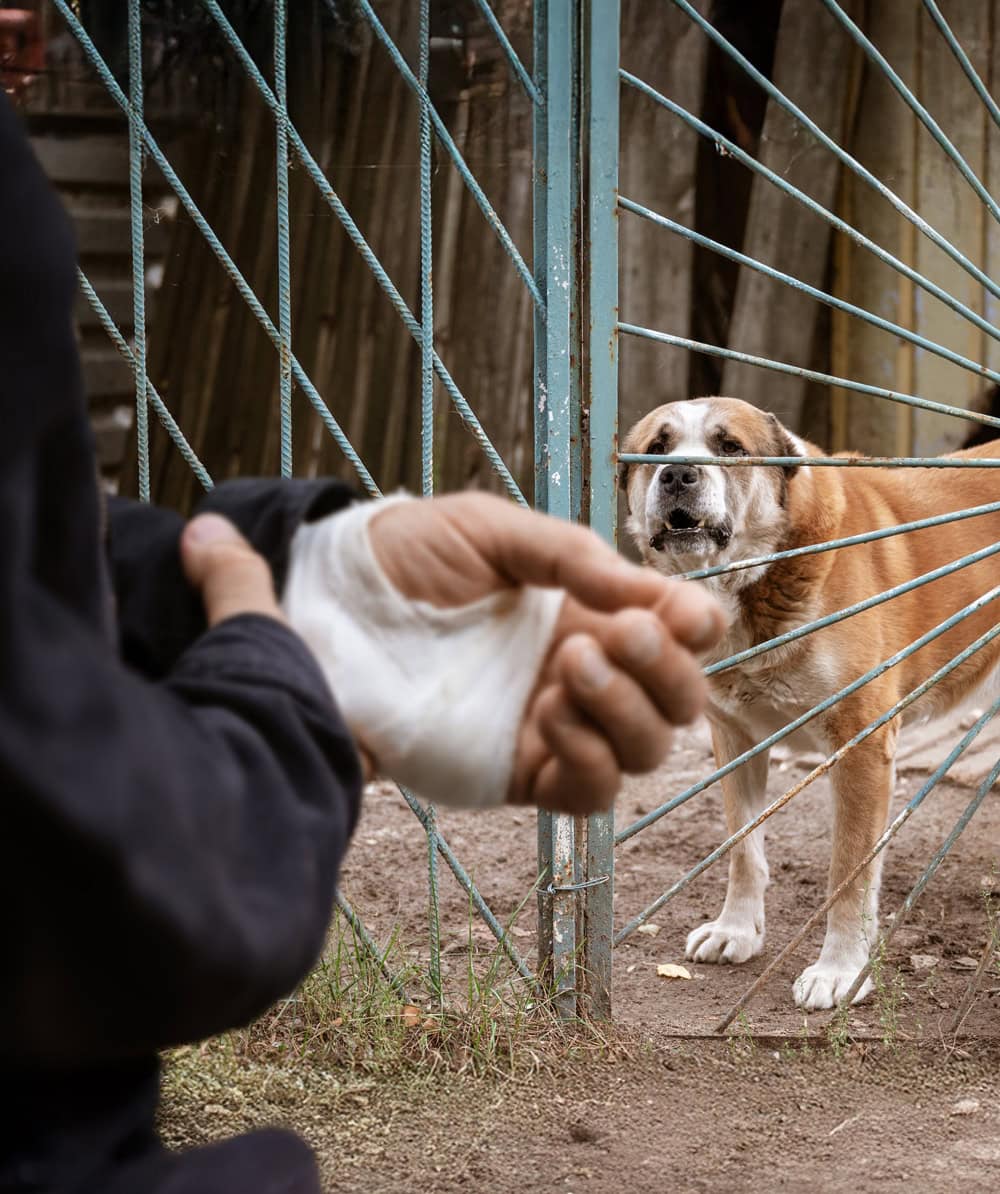
Compensation Available for Indiana Dog Bite Victims
If you’ve been injured in a dog bite attack due to someone else’s negligence, you may be entitled to various types of compensation.
Economic Damages
These are quantifiable financial losses, including:
- Medical expenses (past, current, and future)
- Lost wages and reduced earning capacity
- Rehabilitation and therapy costs
- Home modification expenses
- In-home care costs
- Psychological counseling and treatment
Non-Economic Damages
These more subjective damages compensate for:
- Pain and suffering
- Emotional distress
- Loss of enjoyment of life
- Disfigurement and scarring
- Loss of consortium (impact on marital relationship)
Punitive Damages
In rare cases involving extreme recklessness or intentional misconduct, Indiana courts may award punitive damages designed to punish the wrongdoer and deter similar behavior.
Wrongful Death Damages
When dog attacks result in fatalities, surviving family members may recover compensation for funeral expenses, loss of financial support, loss of companionship, and the pain and suffering of their loved one before death.
How Keller & Keller Injury Lawyers Investigates Indiana Dog Bite Cases
Our meticulous approach to evidence gathering builds the strongest possible foundation for your claim.
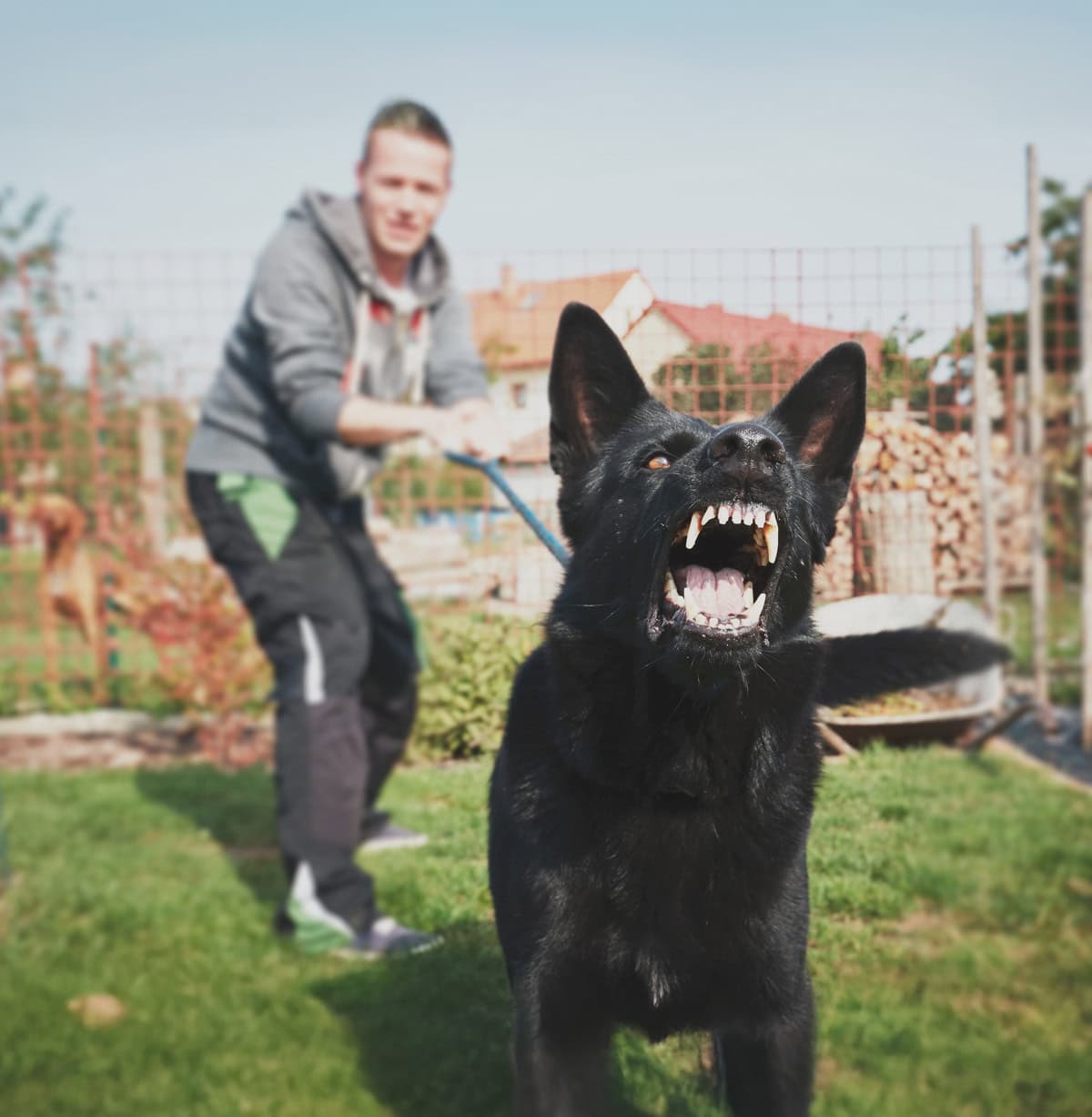
Setting the Indiana Standard
Cutting-Edge Investigation Technology
While other law firms rely on outdated methods, Keller & Keller leverages cutting-edge technology to build stronger cases and win bigger settlements for our Indiana dog bite injury clients.
Professional drone documentation
Captures attack scenes and property conditions from angles impossible with traditional methods, providing comprehensive evidence about fence conditions, property layout, and warning signage.
Advanced voice-over-IP networks
Enables real-time collaboration between attorneys, investigators, and expert witnesses, ensuring no detail is overlooked in your case.
Digital evidence preservation
Advanced systems to capture and preserve photographic evidence, medical records, and witness statements in formats that hold up in court.
Cloud-based case management
Provides you 24/7 access to your case information and status updates through our secure client portal.
Rapid-response investigation
Allow us to conduct on-site evidence gathering within hours of an attack, preserving crucial details before they disappear.
Free Guide
Get Our Free Dog Bite Guide
Keller & Keller Injury Lawyers’ quick dive into the hidden facts of dog bite injury cases.
Service Areas
Indiana Cities We Serve
What Sets Keller & Keller Injury Lawyers Apart
With so many law firms advertising their services, why choose Keller & Keller? The differences are clear.
Zero Fee Guarantee
We believe everyone deserves quality legal representation, regardless of their financial situation. That’s why we work on a contingency basis. You pay absolutely nothing unless and until we win your case. No upfront costs, no hidden fees, no financial risk to you.
* Clients may owe court costs if they lose





No Fee Until We Win!
Get Started TodayDon’t Take Our Word For It!
See what our clients have to say about their experience with Keller & Keller.
View More Testimonials“It felt like they just wanted to take care of me and put me at ease.”
Brianna
My first encounter was Keller & Keller was very good. The people were very warm. You know, when I came in, it was just very comforting to me, it felt as if it wasn’t more like a business deal. It felt like they just wanted to take care of me and put me at ease and, you know, help me out with what I really needed as a person.
Take Action Now
Your Dog Bite Injury Claim Starts Here
Free Consultation
We’ll evaluate your case honestly and explain your options in plain English. We’ll come to you, whether you’re at home, in the hospital, or wherever is convenient.
We Fight
Our experienced team fights to investigate thoroughly, deal with insurance companies, and handle all the legal complexities while you focus on getting better.
You Recover
Focus on healing while we handle the rest. We’ll fight for you like we’d fight for our own family, because that’s exactly how we see you.
Zero Fee Guarantee
We believe everyone deserves quality legal representation, regardless of their financial situation. That’s why we work on a contingency basis. You pay absolutely nothing unless and until we win your case. No upfront costs, no hidden fees, no financial risk to you.
* Clients may owe court costs if they lose

The Keller Tradition:
Three Generations of Fighting for Indiana Families
Frequently Asked Questions
Have Questions? We’re here to help.
Injured and not sure what to do next?
We’ll help guide you through everything you need to know