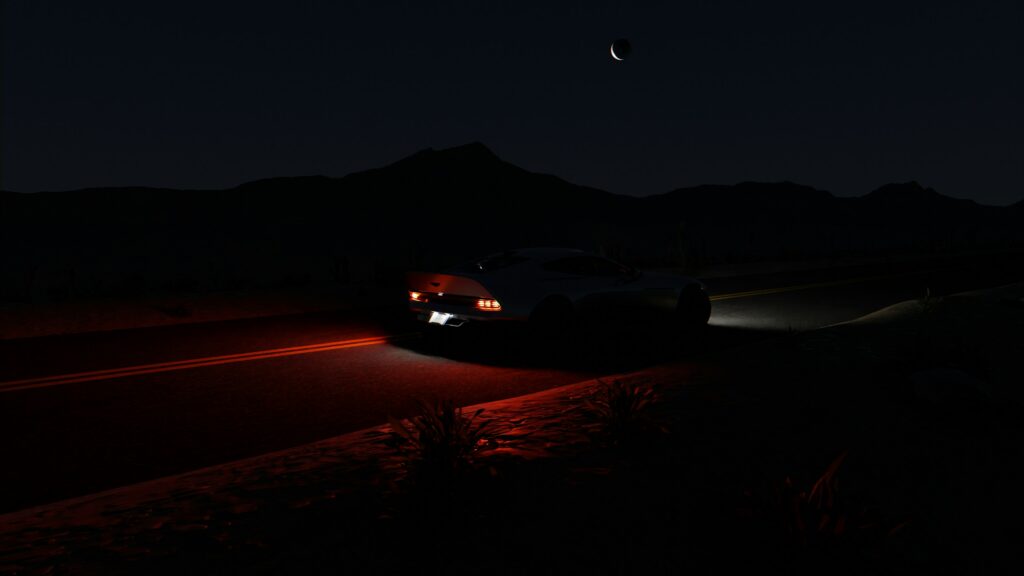
What Permanent DST Means for New Mexico Roads
New Mexico drivers are accustomed to the spring “time jump” and fall “time drop,” and many already know it can make roads more dangerous in the days that follow. Data from studies cited by New Mexico-focused legal and policy commentators show deadly car accidents can increase in the week after clocks spring forward, especially for people living on the western edge of their time zone.
Permanent Daylight Saving Time removes that twice-yearly change but keeps clocks set an hour ahead all year, shifting key driving hours into different light conditions. For New Mexico, that means early risers, long-distance commuters, and commercial drivers may face darker mornings, while nine-to-five workers see more daylight on the drive home.
Researchers have noted that while crash risk may increase immediately after a spring time shift, overall crash rates can decrease during months with more evening daylight because visibility improves for many commutes. At the same time, any disruption to sleep and circadian rhythms, even a one-hour shift, can impair concentration and decision-making, leading to poor judgment and serious wrecks.
Keller & Keller represents New Mexico drivers, passengers, and pedestrians injured in collisions linked to drowsy driving, low visibility, and poor decision-making on desert highways and city streets. Our attorneys understand how time changes, darker mornings, and brighter evenings interact with speed, fatigue, and long rural stretches of road to create dangerous conditions. When a negligent driver causes a crash under these circumstances, we work to prove how visibility, fatigue, and rule violations contributed to the collision and pursue full compensation under New Mexico law.
FAQs about Permanent DST and New Mexico Drivers
1. What does permanent Daylight Saving Time mean for New Mexico drivers?
Permanent Daylight Saving Time keeps New Mexico on “summer time” all year, shifting some early-morning driving into darker hours while giving many workers more daylight on the drive home. This change affects when drivers face low visibility, glare, and fatigue on both city streets and long stretches of highway.
2. Are fatal crashes really linked to time changes and Daylight Saving Time?
Research has shown that deadly crashes can increase in the week after spring clock changes, as drivers lose sleep and face darker morning commutes. Even though permanent DST removes that twice-yearly transition, it still changes when people drive in darkness, which can influence where and when serious crashes occur.
3. How can I reduce my risk of a crash during dark or early-morning drives in New Mexico?
Plan extra time, get adequate sleep, and avoid driving when you feel tired or unfocused. Use headlights correctly, reduce speed on rural or poorly lit roads, and stay alert for pedestrians, cyclists, and stalled vehicles. These steps can significantly lower your risk of a collision in low-light conditions.
4. Does the other driver’s insurance have to pay if they crashed into me in the dark?
If the other driver was negligent, by speeding, driving drowsy, failing to yield, or not watching the road, their insurance can be responsible for your injuries and damages, even if the crash happened in darkness. Time changes and lighting conditions do not excuse unsafe driving under New Mexico law.
5. How can Keller & Keller help after a New Mexico crash tied to darker commutes or time changes?
Keller & Keller can investigate the crash scene, review lighting and weather conditions, and examine whether the at-fault driver was fatigued, distracted, or speeding. Our New Mexico attorneys then use this evidence to pursue compensation for your medical care, lost income, and pain and suffering, and you owe no attorney’s fee unless we make a recovery.