

New Mexico Dog Bite Injury Lawyers
Keller & Keller Injury Lawyers’ Winning Approach
Free Case EvaluationInjured in a Dog Attack?
Get started with a free case evaluation. No Fee Until We Win.
100% Free Evaluation
Provide a few details and our team will handle the rest.
"*" indicates required fields

“As a busy mom of three, I’m so grateful I didn’t have to face the legal battle alone. Thank you, Keller & Keller Injury Lawyers.”
Kelly
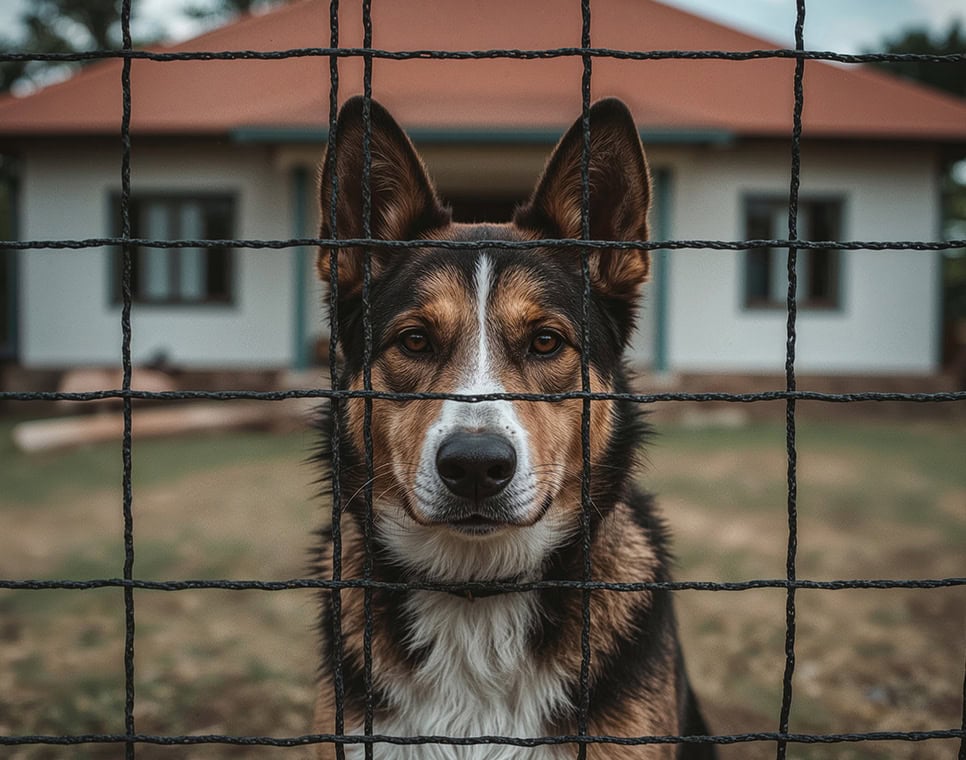

When you’ve been hurt in a dog attack, you need more than just any dog bite lawyer. You need a battle-tested sword and shield fighting for your rights.
At Keller & Keller, we’ve been maximizing client settlements and delivering justice in New Mexico since 1936, recovering millions of dollars for our clients. That’s thousands of families we’ve helped get their lives back on track after devastating attacks.
Founded as a family practice, we’ve built our reputation on treating clients the way we’d want our own loved ones treated. When you call us, you’re getting personal injury lawyers who talk straight, listen carefully, and fight hard. We explain things in plain English because legal battles are confusing enough without adding unnecessary complexity.
Why You Need a New Mexico Dog Bite Lawyer After an Attack
The aftermath of a dog attack can turn your life upside down in an instant. Medical bills pile up, homeowner’s insurance companies pressure you to accept lowball offers, and you’re left wondering how to put your life back together while still recovering from painful injuries. Insurance companies are already working against you, building defenses to protect the dog owner and minimize what they pay.

Navigating Complex Legal Claims

Understanding Insurance Company Tactics

Understanding Statute of Limitations
Navigating Complex
Legal Claims
Dog bite injury cases in New Mexico aren’t like those in other states. New Mexico follows what’s called the “one bite rule,” which means you can’t just prove a dog bit you. You have to prove the owner knew or should have known their dog was dangerous. This puts a much heavier burden on victims and makes hiring an experienced New Mexico dog bite lawyer absolutely necessary.
Without proper representation, insurance companies will claim the dog had no history of aggression and that the owner couldn’t have predicted the attack. Our Albuquerque dog bite lawyers know how to investigate a dog’s past, dig up prior complaints to animal control, and find witnesses who’ve seen aggressive behavior before.
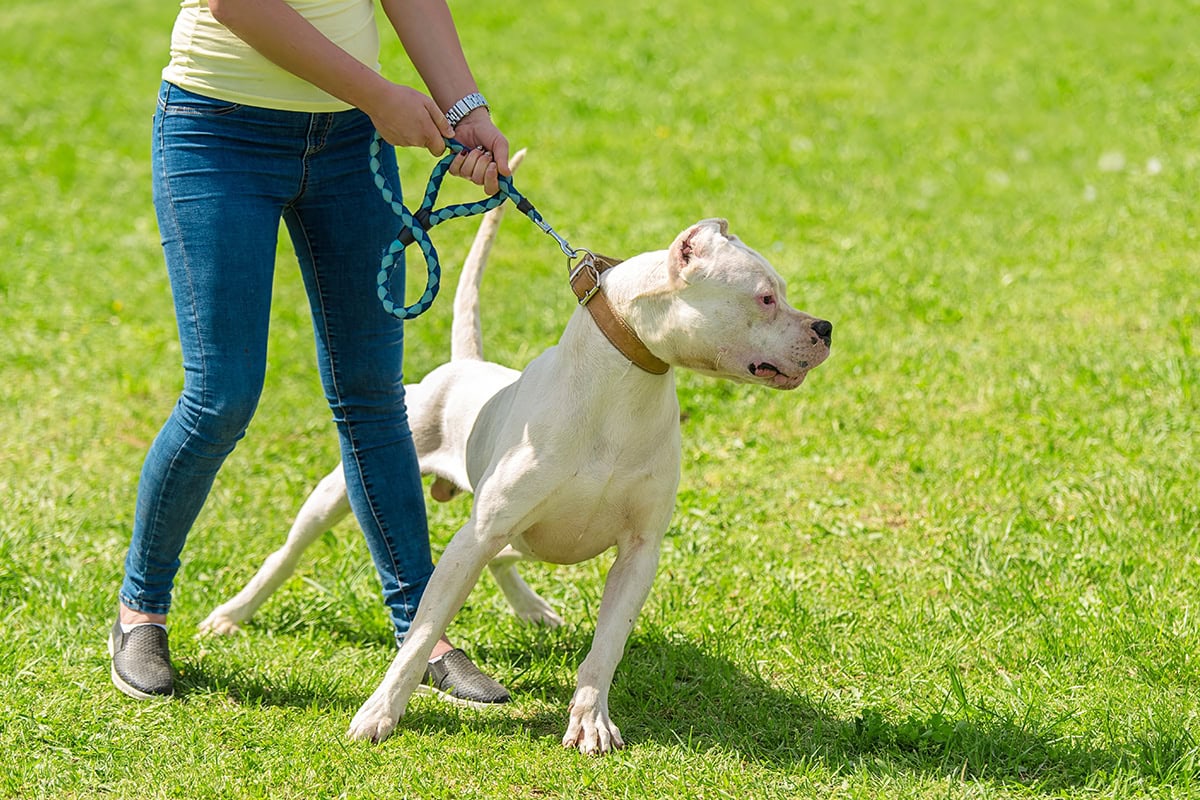
Understanding Insurance Company Tactics
Homeowner’s insurance policies cover most dog bite claims, which means you’re up against professional adjusters whose job is protecting their company’s bottom line. They’ll suggest you provoked the animal, claim the dog was just being playful, or insist “this has never happened before,” even when we find evidence proving otherwise. These companies have teams of lawyers working to minimize what they pay out. You need someone equally prepared to fight back.

Understanding Statute of Limitations
You have three years from the attack date to file a lawsuit in New Mexico. Miss this deadline, and you lose your right to compensation, regardless of how severe your injuries are or how clear the owner’s negligence was. The sooner you contact us, the better we can preserve evidence, interview witnesses while memories are fresh, and build the strongest possible case.

What to Do After a Dog Attack
How you respond in the hours and days following an attack directly impacts whether you’ll receive fair compensation.
See What Your Case Is WorthGo to the emergency room for serious bites. Infections like rabies, sepsis, and MRSA are real threats.
File an official report documenting the attack with local authorities.
Take photos of injuries, torn clothing, the attack location, and any visible property hazards.
Collect their name, address, phone number, and homeowner’s insurance details.
Get names and contact details from anyone who saw what happened.
Keep bloody or torn clothing, save all medical records and bills.
Politely decline requests for recorded statements without legal advice.
Don’t post about the attack, as insurance companies monitor your accounts.
Save every expense related to the attack, from bandages to therapy sessions.
The sooner we start working, the better we can protect your interests.

The Keller & Keller Injury Lawyers Approach:
New Mexico Injury Lawyers Who Fight to Win
From the moment you contact us, you’ll notice the difference in our approach. Our client-first philosophy means we take the time to understand not just the details of your accident but how it has affected your life, your work, your family, and your future in New Mexico. We clearly communicate every step of the process in plain language you can understand, no confusing legal jargon. This approach has earned us countless 5-star reviews from real New Mexico clients who’ve experienced the Keller & Keller difference firsthand.
We understand that being injured in an accident is stressful enough without having to chase down your lawyer for updates. That’s why we’ve built our practice around transparent, consistent communication.
When you hire us, you’ll have direct access to the New Mexico-based attorney handling your case as well as a dedicated paralegal who monitors its daily status. We keep you informed throughout every stage of your claim, explaining what’s happening, what to expect next, and how it affects your case.
Our 90+ years of experience isn’t just about longevity. It’s about results. Our attorneys have successfully handled thousands of cases in New Mexico and recovered millions and millions of dollars for our clients. We’ve gone toe-to-toe with the biggest insurance companies and won. Our courtroom experience means we’re always prepared to take your case to trial if that’s what it takes to secure fair compensation. This willingness to fight, and our track record of success, often motivates insurance companies to offer better settlements to avoid facing us in court.
The Dog Bite Claim Process with Keller & Keller Injury Lawyers
Once you hire us, we immediately start building your case. Evidence has a short shelf life. Witnesses move away, property conditions change, and insurance companies work fast to establish narratives that protect their clients.
Types of Dog Bite Cases We Handle
We handle all types of dog attacks, and each one presents its own challenges in New Mexico.
A severe mauling is a sustained attack that tears skin and muscle, often on the face, arms or legs. These cases involve extensive reconstructive surgery and lifelong disfigurement. The wound may close within weeks, but the treatment and the visible harm can go on for years.
Why One Surgery Is Rarely the End of It
A dog’s bite can crush and tear tissue as well as puncture it, which can damage nerves and tendons and invite infection. Repair may involve skin grafts or flaps, followed by revision procedures once the scars mature. A child’s scars may also change with growth, so treatment planned at age six may not be the last.
Timing matters here more than in many injury claims. It can take a long while to see how a scar will settle, and our post on how long a dog bite case can take explains why settling before treatment ends can be a mistake.
Putting a Value on a Scar
A permanent mark on the face or hands affects work, relationships and how someone moves through the world, and medical bills alone won’t capture that. Our article on what a dog bite case may be worth discusses future surgery, scar revision and counseling costs. The proof that tends to matter most includes:
- Photos over time. A dated series from the first day onward can show what a single current photo can’t.
- A surgeon’s opinion on future care. This can put a description and a cost on procedures that haven’t happened yet.
- Mental health records. Fear of dogs, nightmares and avoiding the outdoors may be documented in counseling notes.
- Accounts from people close to you. Family, teachers and coworkers may be able to describe what changed.
Insurance can become the practical limit in a serious case. A homeowner’s or renter’s policy may be the main source of payment, and the coverage it offers may fall well short of the injury or exclude certain dogs.
When the Attack Is Also a Crime
A dog that caused a serious injury to a person is a dangerous dog under New Mexico’s Dangerous Dog Act (NMSA 1978 § 77-1A-2). Where the owner knew of the dog’s propensity to inflict serious injury, or a court had already found the dog dangerous or potentially dangerous, an unprovoked attack causing serious injury is a third degree felony (NMSA 1978 § 77-1A-6).
Those are criminal provisions, and the Act doesn’t by its terms create a civil claim. An injury claim still generally turns on what the owner knew or should have known. Even so, a police or animal control file from a criminal investigation may hold statements and history that are hard to find anywhere else.
If an attack proved fatal, see our wrongful death page.
These are attacks on mail carriers, package drivers and others who come to a home or business as part of the job. They involve workers who have a right to be on the property, which removes an argument owners often try first. Because the bite happens at work, a benefits claim and a claim against the dog’s owner may run side by side.
Why a Right to Be There Matters
A landowner or occupier generally owes people on the property with express or implied consent ordinary care to keep it reasonably safe (Ford v. Board of County Commissioners, 1994-NMSC-077). A carrier on the walkway or a driver at the porch would usually fit that description, as our guide to premises liability in New Mexico explains. Staying where a delivery normally goes can matter, since permission may not extend to the whole property.
Lawful presence also bears on the Dangerous Dog Act. A dog can’t be declared dangerous if the person hurt was trespassing, provoking or abusing it (NMSA 1978 § 77-1A-3). Being there on a route doesn’t settle the injury claim, though, because the owner’s knowledge of the dog generally still has to be shown.
Workers’ Compensation Plus a Claim Against the Owner
For a private delivery employee with covered employment, workers’ compensation is generally the exclusive remedy against the employer and co-employees (NMSA 1978 § 52-1-8). It doesn’t affect a claim against someone else, which is where a dog’s owner may come in (NMSA 1978 § 52-5-17). Accepting compensation assigns that claim to the employer or insurer to the extent of benefits paid, and a worker can’t recover twice for the same injuries.
Drivers paid through an app may be treated as independent contractors, so the first question may be whether any compensation coverage exists.
What Changes for a Mail Carrier
Postal Service employees fall under the federal employees’ compensation law rather than the state system (39 USC 1005). That federal remedy is exclusive against the United States, but by its terms it doesn’t bar claims against third parties (5 USC 8116). If an owner is liable, the Secretary of Labor may require assignment or prosecution of the claim, and a beneficiary who recovers must refund compensation after deducting costs and a reasonable attorney’s fee (5 USC 8132). Whether the owner is liable is still a question of state law.
Job records can help in ways a neighbor’s memory can’t:
- Route notes. A carrier or company may have recorded an earlier warning about a dog at that address.
- Scan and GPS data. These can place the worker at the door at the moment of the attack.
- Doorbell video. Footage may show whether the dog was loose and how it got out.
- Earlier incident reports. A report filed by another worker may help show what the owner knew under New Mexico dog bite law.
These are attacks in parks, on sidewalks, and in other public spaces where local leash laws may apply. You weren’t on anyone’s land, and the person with the dog may be a stranger who walks away. The first problem is often simply working out whose dog it was.
Finding the Dog and the Person Behind It
Time matters, because a dog seen once in a park can be hard to find again. Knowing whether it can be located also affects medical decisions about rabies treatment, so a doctor will generally want that answer quickly. The details that may lead to the owner include:
- Witnesses. Regular walkers and joggers may know the dog, even if they don’t know its owner’s name.
- Nearby cameras. Doorbells and storefronts may show the direction the dog and its handler went.
- Animal control reports. A call may connect this dog to earlier complaints in the same area.
- Tags and microchips. If the dog is caught, these may identify who is responsible for it.
A peace officer may impound a dog running at large without its owner or handler in control, and must destroy a dog in the act of attacking humans (NMSA 1978 § 77-1-9). Our post on what happens to a dog after a bite describes the quarantine and animal control steps that may follow.
Is the Person Holding the Leash the Owner?
Not always. It may be a dog walker, a relative or a friend watching the dog for the week. Under the Dangerous Dog Act, “owner” includes anyone who possesses, harbors, keeps or has control or custody of the dog (NMSA 1978 § 77-1A-2). That definition belongs to the Act, so a civil claim may still need to sort out who knew what about the dog.
What If the Dog Belongs to a Government Agency?
A police dog, or an animal in a city’s care, raises different rules. A claim against a government dog owner must be in negligence under a Tort Claims Act waiver, because the usual dog-bite instruction isn’t available against public entities (Smith v. Village of Ruidoso, 1999-NMCA-151). Written notice generally must also be given within 90 days of the occurrence (NMSA 1978 § 41-4-16), as our post on the New Mexico Tort Claims Act explains.
A city also isn’t automatically responsible for a stray because nobody caught it. In Smith v. Village of Corrales, 1985-NMCA-121, a claimed failure to hire an animal control officer did not fit the roadway waiver, though the owners of two of the dogs stayed in the case. Public bodies are generally immune unless the Act waives that immunity, so the claim has to fit a specific waiver.
A multiple dog attack is one where a person faces two or more dogs at the same moment, often in a yard, on a rural road or at the edge of a property. These are particularly devastating incidents, because victims face several animals at once and may be knocked to the ground. They also multiply the legal questions, since each dog and each owner may have a different history.
Which Dog Did What?
In the middle of an attack, few people can say which animal caused which wound. One dog may start it and others may join in, and that order can matter. Wound photos taken before treatment, emergency records and witness accounts may help separate one dog’s role from another’s.
The sorting matters because New Mexico’s dog-bite rule looks at what an owner knew or should have known, and that may differ from dog to dog. An owner might have seen one animal snap at a visitor while another has no record at all. Our overview of New Mexico dog bite laws sets out the jury instruction these questions come back to.
Group behavior can be evidence as well. Under the Dangerous Dog Act, a potentially dangerous dog includes one shown by aggressive chasing or menacing without provocation (NMSA 1978 § 77-1A-2). Dogs that had already chased walkers or cyclists down a road as a group may have left neighbors with stories to tell.
When the Dogs Have Different Owners
Dogs from separate households can end up running together, particularly where properties have no fencing. In that case, more than one person may have to be identified and brought into a claim. Where comparative fault applies, each defendant generally pays only its own percentage, and fault can be assigned to people who aren’t parties to the suit (NMSA 1978 § 41-3A-1).
How that rule works in a dog-bite case hasn’t been squarely decided in the authorities reviewed for this page. Our explainer on how New Mexico divides fault covers the general idea. Leaving an owner out could matter, since a share assigned to someone who was never sued may not be collectible from anyone else.
Records That Can Tell One Animal From Another
- Animal control files. Impound and complaint records may list each dog separately.
- Veterinary records. Rabies and treatment files can confirm who was caring for a particular dog.
- Dangerous dog registrations. A certificate may show that an owner already knew a dog was a concern.
- Neighbor accounts. People nearby may know which dogs ran together and how often they got loose.
- Video. Even short clips from a phone or doorbell may show how many dogs were involved.
Injuries can also add up quickly in these attacks, with bites to several parts of the body at once. Treating doctors’ notes on the number and location of the wounds may help show the full scope of what happened.
These are bites by a dog that had already attacked or threatened someone. They can be among the stronger dog-bite cases, particularly where owners ignored warning signs, because a prior incident speaks directly to what the owner knew. The outcome still depends on the facts and on what can be proved.
New Mexico Has No Strict Liability Dog-Bite Statute
No New Mexico statute makes a dog’s owner an insurer of every injury, so the common law governs. An owner is liable when the dog was vicious or dangerous and the owner knew or should have known it (Perkins v. Drury, 1953-NMSC-029; UJI 13-506 NMRA). State law also makes it unlawful to keep an animal known to be vicious unless it is securely kept to prevent injury (NMSA 1978 § 77-1-10).
Once it is proven, the Court of Appeals has said liability under the jury instruction is strict, meaning the owner’s care in restraining the dog is no defense (Smith v. Village of Ruidoso, 1999-NMCA-151). A sturdy fence wouldn’t help an owner who knew what the dog would do. Our summary of New Mexico dog bite laws covers that instruction and the Smith decision.
Does the Dog Have to Have Bitten Someone Before?
Not necessarily. Perkins called the old “one bite” idea out of harmony with modern society. Under that decision, an owner’s knowledge can be inferred from the circumstances, and a dog’s viciousness can be inferred without a prior bite. You still generally have to prove the owner knew or had reason to know, so a documented earlier attack is valuable proof rather than a legal requirement.
What Counts as a Warning?
- Earlier bites or attacks on people. Medical records, animal control reports and witnesses may establish these.
- Complaints and citations. Letters from neighbors, a landlord or animal control can show the owner was told.
- Court or registration history. Owners of potentially dangerous dogs need a certificate of registration showing, among other things, control of the dog and a proper enclosure (NMSA 1978 § 77-1A-5).
- How the owner acted. A muzzle in public, warnings to guests or keeping the dog away from visitors may suggest awareness of the risk.
- What a spouse knew. In one New Mexico case, one spouse’s knowledge of a vicious dog kept at home was notice to the other (Mallard v. Zink, 1979-NMCA-114).
Owners may deny all of this, and records can be scattered across agencies, a prior address or a previous owner. Early requests can matter, because a dog’s history may have to be pieced together from sources that don’t talk to each other. Animal control is often a good place to start, as our post on what happens to a dog after a bite suggests.
A defense remains available under the instruction. An owner isn’t liable if the injured person knew of the dog’s tendencies and wantonly excited it, or voluntarily and unnecessarily got in its way. In other words, the focus can shift to what you knew and did, so a clear account of the moments before the bite can matter.
These attacks happen in dog parks, apartment courtyards, shared paths and other spaces that many people use and no one person runs. They bring complex liability involving property managers and homeowners associations (HOAs), along with the dog’s owner. The first step is generally working out who controlled the space and what they knew.
Does a Dog Park Change the Owner’s Responsibility?
Taking a dog off leash in a fenced park doesn’t change what its owner knows about it. Someone who brings a dog with a history of biting to a crowded park may have a harder time explaining that choice. Park rules can also matter, and our post on Albuquerque leash laws and dog parks touches on what owners are expected to do there.
These incidents often start as a fight between dogs, and a person gets bitten stepping in. The jury instruction on dog bites has a defense for someone who knew of the dog’s tendencies and voluntarily and unnecessarily got in its way (UJI 13-506 NMRA). Whether pulling your own dog clear fits that description would likely depend on the facts.
What Did the Manager or HOA Control?
A landlord must use reasonable care to keep common areas reserved for tenants’ shared use safe (Castillo v. County of Santa Fe, 1988-NMSC-037). In Castillo, that duty supported a claim over loose dogs on public housing grounds, though the ruling came on a motion to dismiss. Liability turns on what the landlord knew or should have known and the means available to it.
HOAs and outside management companies are less settled, and the answer may depend on what their governing documents and contracts make them responsible for. Our guide to premises liability in New Mexico explains why control isn’t always a matter of whose name is on the deed. Records that may help include:
- Prior complaints. Emails, tenant portal messages and board minutes about a particular dog.
- Pet rules. What the community rules required, and whether anyone enforced them.
- Management contracts. Who was hired to patrol, repair or respond.
- Gates and fencing. Maintenance requests for a broken latch or a gap in a fence.
When the Park Is Public
Immunity is waived for negligence in operating or maintaining a public park (NMSA 1978 § 41-4-6), and a dangerous condition is a different thing from a lapse in watching people. A claim generally can’t rest on negligent supervision alone (Upton v. Clovis Municipal School District, 2006-NMSC-040). A broken gate that staff knew about may fit better than a complaint that nobody was monitoring the park, and the government’s short notice rules would apply.
These are cases where owners failed to restrain their dogs as required by law. A dog slips out an open gate, pulls free from a child holding the leash or runs loose on a street, and someone gets hurt. New Mexico leaves leash rules largely to local government, so the first question is where it happened.
Which Leash Rule Applies?
Each municipality and county must provide by ordinance for seizing and disposing of dogs and cats running at large (NMSA 1978 § 77-1-12), and no statewide leash statute was found in that chapter. So the rule in Santa Fe or Las Cruces may differ from the rule in Albuquerque or an unincorporated part of a county.
In Albuquerque, the HEART Ordinance says dogs shouldn’t be on a leash longer than 8 feet and must be with a person able to control them. The enactment text also says verbal commands aren’t control, so a dog trained to “stay” isn’t the same as a dog on a leash. Our post on Albuquerque dog leash laws covers the city’s expectations in more detail.
Does Breaking a Leash Rule Prove the Case?
Not by itself. We found no New Mexico appellate decision holding that a leash violation automatically establishes negligence in a dog-bite case. A violation may still be evidence that an owner failed to control the dog, or the basis for an argument, depending on the ordinance and the facts.
Useful proof tends to be simple and specific:
- The ordinance in force. The wording on the date of the attack, for the place it happened.
- Citations. Any ticket from this incident, or earlier ones for the same dog.
- Physical evidence. A snapped leash, a failed latch or a gap under a fence.
- Repair history. Whether the owner knew the gate or fence had a problem.
A Claim When the Owner Says the Dog Was Friendly
Leash cases often involve a dog with no known history, which makes the usual knowledge rule harder to meet. The Court of Appeals has said a victim may also sue in ordinary negligence, including where the owner didn’t know of any vicious tendency but failed to control the dog where injury could reasonably be expected (Smith v. Village of Ruidoso, 1999-NMCA-151). Negligence here means failing to use reasonable care.
That route isn’t fully settled. Smith was a suit against a village, no published opinion was found applying it to a private owner, and an older decision, Aragon v. Brown, 1979-NMCA-142, pointed the other way, although Smith distinguished it. Our page on New Mexico dog bite laws discusses how the two kinds of claim differ.
Not every leash injury is a bite, either. Perkins v. Drury, 1953-NMSC-029, extends to likely injury from any cause, including playfulness, when an owner fails to restrain the dog. A large dog that knocks an older person to the sidewalk may raise the same questions.
Landlord liability cases ask whether a property owner who knew about a dangerous dog but failed to act can answer for the harm a tenant’s dog caused. Knowing about the dog is only part of the question. In New Mexico, the harder issue is generally whether the landlord kept possession or control of the place where the attack happened.
Why Knowing About the Dog May Not Be Enough
A landlord who neither possesses nor controls leased property generally isn’t liable for what happens there (Gabaldon v. Erisa Mortgage Co., 1999-NMSC-039). Gabaldon wasn’t a dog case, but the only New Mexico appellate decision found on a tenant’s dog rejected liability. That decision, Ortiz v. Johnson, is an unpublished 2013 memorandum opinion in which a pit bull bit a passerby on the sidewalk.
The court rejected lease terms on pets and inspection as a form of control, and it required that the landlord knew or should have known the dog was dangerous. It also declined to read a county ordinance’s “owner/responsible party” definition as creating a duty for the landlord. Because Ortiz is non-precedential and no published decision on the point was found, the law here isn’t fully settled, but these claims face a real obstacle.
Where a Landlord Claim Has More Footing
Location often matters most. A landlord can be liable for loose dogs in common areas it controls (Castillo v. County of Santa Fe, 1988-NMSC-037), although that case was limited to common areas and decided at the pleading stage. Our summary of New Mexico dog bite laws also describes landlord liability in terms of control. The facts worth pinning down include:
- Where the bite happened. A shared yard or hallway is a different case from the inside of a rented unit.
- What the landlord knew. Complaints, emails and notices may show someone told management about the dog.
- What control was actually kept. Lease wording alone may not be enough, so who ran the property day to day can matter.
- Who else is responsible. The tenant who kept the dog generally remains the first person to look at.
- Who owned the dog. A landlord who kept the dog or lived with it may be looked at as a keeper rather than as a landlord.
Does Rental Law Create a Separate Claim?
Tenants may expect the landlord-tenant statute to fill the gap. Residential landlords must keep common areas safe and comply with housing codes affecting health and safety (NMSA 1978 § 47-8-20). The same section says those obligations aren’t meant to change existing tort law, so it shouldn’t be read as creating an injury claim.
That leaves the general rules for property owners, which our guide to premises liability in New Mexico explains for visitors. Tenants, guests and passersby can stand in different positions depending on where they were hurt.
The Hard Truth
New Mexico Dog Bite Statistics That Demand Action
Dog attacks across New Mexico leave victims with devastating injuries and financial burdens that insurance companies will often refuse to address.
About half of all dog bite victims are children who suffer devastating facial injuries requiring reconstructive surgery. These aren’t just statistics, they’re New Mexico kids whose lives are forever changed by preventable attacks.
Approximately 4.5 million Americans suffer dog bites every year. These staggering numbers prove dog attacks are a widespread problem that demands accountability from negligent pet owners.
More than 70% of dog bite attacks aren’t random incidents with strange dogs. They’re preventable situations where owners knew or should have known their dog posed a danger. That’s why we fight so hard to uncover prior complaints and aggressive behavior patterns.
Leading Causes of Dog Attacks in New Mexico
Preventable owner negligence is the primary cause of most dog bite cases we handle, which makes these injuries even more frustrating. Understanding these causes helps us build stronger cases.
Dog Bite Injuries We Represent
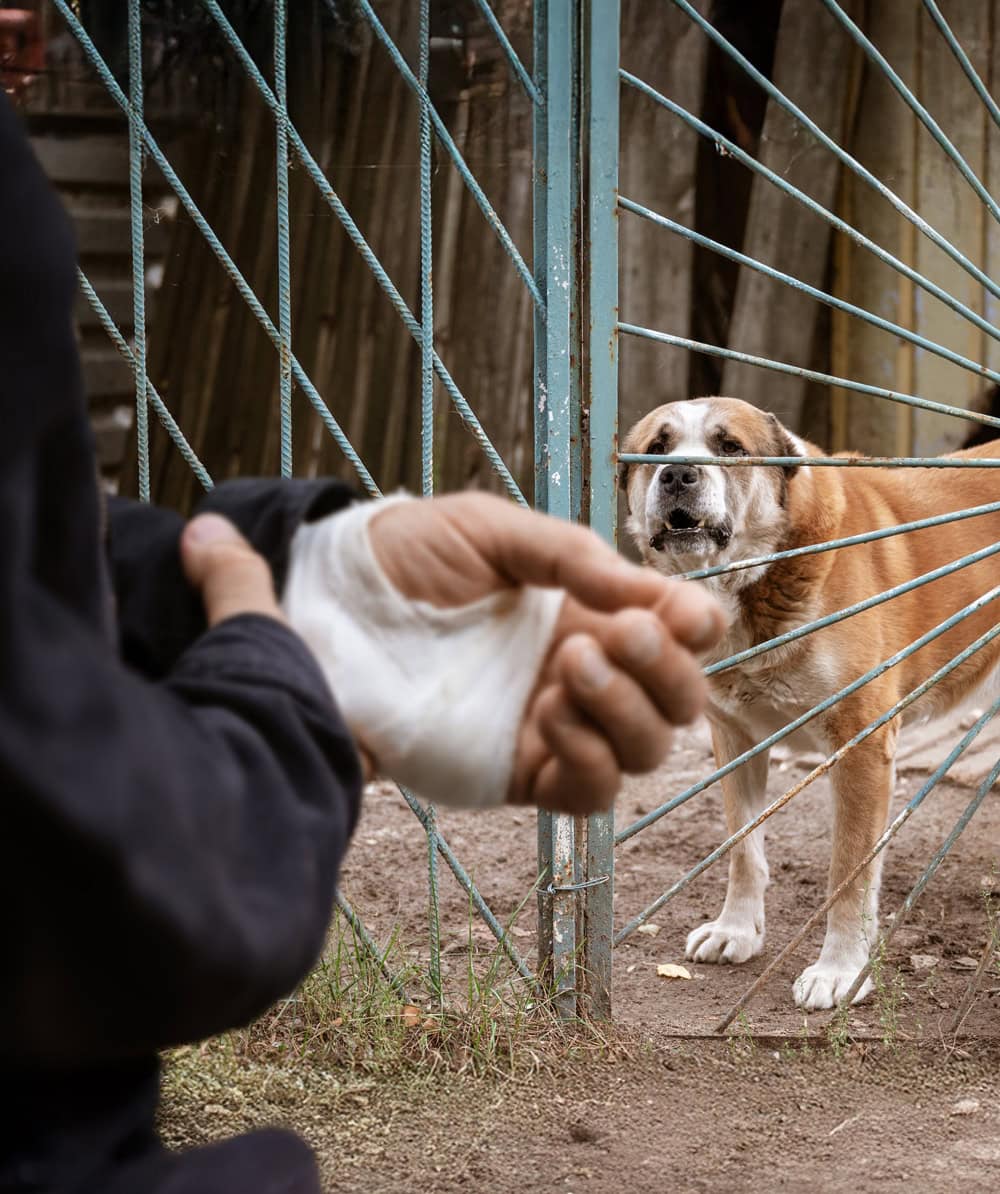
Dog attacks leave victims with severe physical trauma and emotional scars that last for years beyond the initial incident.
Compensation Available for New Mexico Dog Bite Victims
If you’ve been injured in a dog attack due to someone else’s negligence, you may be entitled to various types of compensation.
Economic Damages
These are quantifiable financial losses, including:
- Medical expenses (emergency treatment, surgery, reconstructive procedures)
- Lost wages and reduced earning capacity
- Future medical care and ongoing therapy
- Rehabilitation costs
- Scarring treatment and cosmetic surgery expenses
Non-Economic Damages
These more subjective damages compensate for:
- Pain and suffering from the attack and recovery
- Emotional distress and PTSD
- Disfigurement and permanent scarring
- Loss of enjoyment of life
Punitive Damages
In rare cases involving extreme recklessness, such as owners who knew their dog had attacked multiple times before, New Mexico courts may award punitive damages designed to punish the wrongdoer and deter similar behavior.
Wrongful Death Damages
When dog attacks result in fatalities, surviving family members may recover compensation for funeral expenses, loss of financial support, loss of companionship, and the pain and suffering of their loved one before death.
How Keller & Keller Injury Lawyers Investigates New Mexico Dog Bite Cases
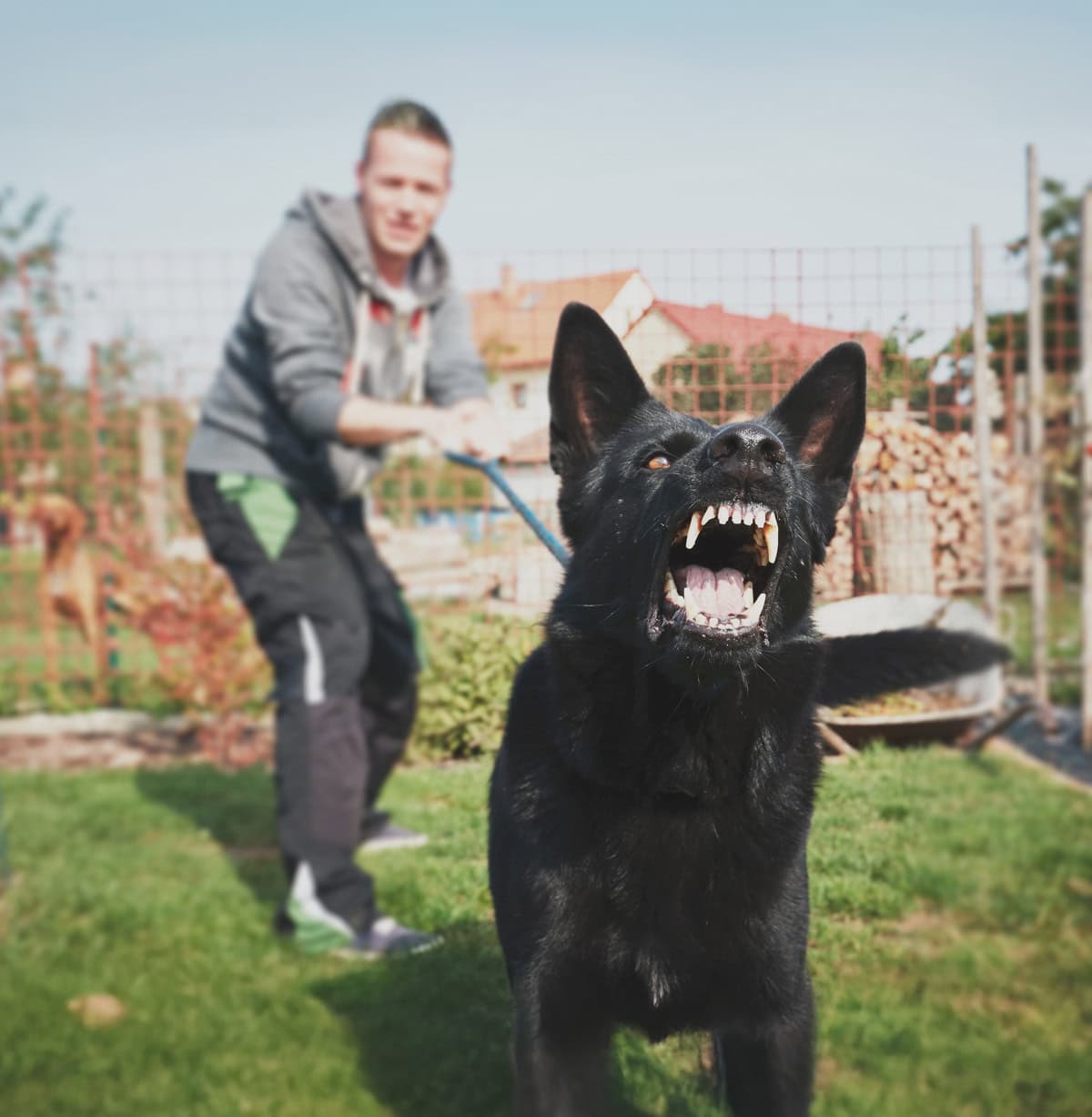
Building a winning dog bite case requires thorough investigation that uncovers evidence insurance companies hope stays buried.
Setting the New Mexico Standard
Cutting-Edge Investigation Technology
Our investment in advanced investigative technology gives us advantages that insurance companies fear and other law firms can’t match.
Professional drone documentation
Captures attack scenes and property conditions from angles impossible with traditional methods, providing comprehensive evidence about fence conditions, property layout, and warning signage.
Advanced voice-over-IP networks
Enables real-time collaboration between attorneys, investigators, and expert witnesses, ensuring no detail is overlooked in your case.
Digital evidence preservation
Advanced systems to capture and preserve photographic evidence, medical records, and witness statements in formats that hold up in court.
Cloud-based case management
Provides you 24/7 access to your case information and status updates through our secure client portal.
Rapid-response investigation
Allow us to conduct on-site evidence gathering within hours of an attack, preserving crucial details before they disappear.
Free Guide
Get Our Free Dog Bite Guide
Keller & Keller Injury Lawyers’ quick dive into the hidden facts of dog bite injury cases.
Service Areas
New Mexico
Cities We Serve
What Sets Keller & Keller Injury Lawyers Apart
With so many law firms advertising their services, why choose Keller & Keller? The differences are clear.
Zero Fee Guarantee
We believe everyone deserves quality legal representation, regardless of their financial situation. That’s why we work on a contingency basis. You pay absolutely nothing unless and until we win your case. No upfront costs, no hidden fees, no financial risk to you.
* Clients may owe court costs if they lose





No Fee Until We Win!
Get Started TodayDon’t Take Our Word For It!
See what our clients have to say about their experience with Keller & Keller.
View More Testimonials“It felt like they just wanted to take care of me and put me at ease.”
Brianna
My first encounter was Keller & Keller was very good. The people were very warm. You know, when I came in, it was just very comforting to me, it felt as if it wasn’t more like a business deal. It felt like they just wanted to take care of me and put me at ease and, you know, help me out with what I really needed as a person.
Take Action Now
Your Dog Bite Claim Starts Here
Free Consultation
We’ll evaluate your case honestly and explain your options in plain English. We’ll come to you, whether you’re at home, in the hospital, or wherever is convenient.
We Fight
Our experienced team fights to investigate thoroughly, deal with insurance companies, and handle all the legal complexities while you focus on getting better.
You Recover
Focus on healing while we handle the rest. We’ll fight for you like we’d fight for our own family, because that’s exactly how we see you.
Zero Fee Guarantee
We believe everyone deserves quality legal representation, regardless of their financial situation. That’s why we work on a contingency basis. You pay absolutely nothing unless and until we win your case. No upfront costs, no hidden fees, no financial risk to you.
* Clients may owe court costs if they lose

The Keller Tradition:
Nearly Nine Decades of Legal Excellence in New Mexico
Frequently Asked Questions
Have Questions? We’re here to help.
Injured and not sure what to do next?
We’ll help guide you through everything you need to know
Albuquerque, NM Office
6301 Indian School Rd NE #920 Albuquerque, NM 87110
(505) 938-2300