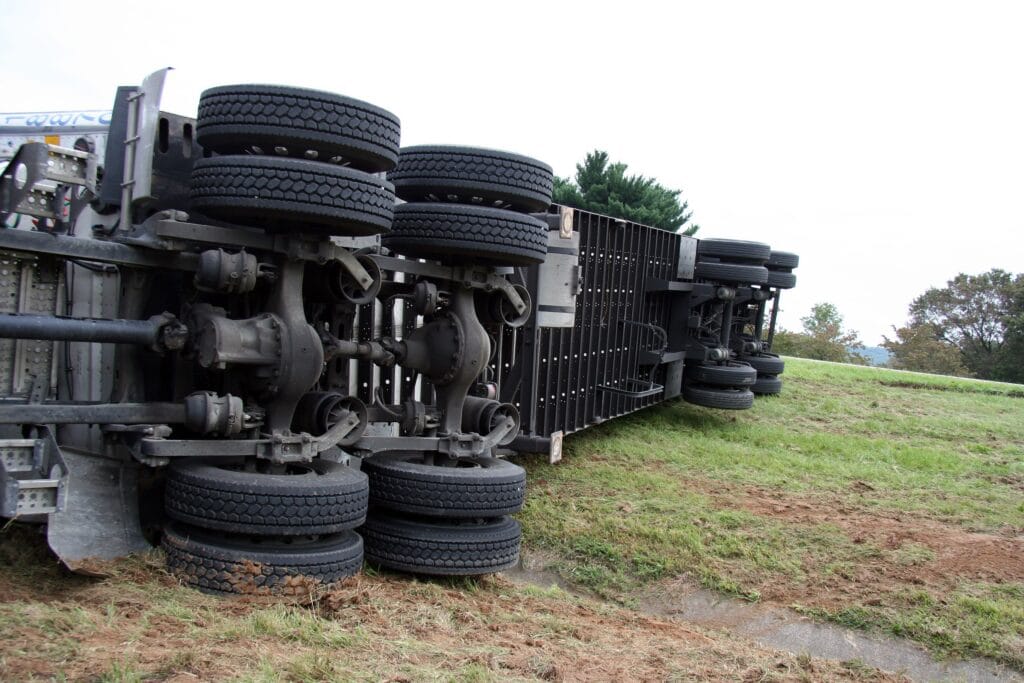
Quick answer: A preservation letter is a written notice asking the trucking company, its insurer, and others who hold evidence to keep records such as Event Data Recorder (EDR) downloads, Electronic Logging Device (ELD) logs, Global Positioning System (GPS) data, dash camera video, and maintenance and driver qualification files. It is a request that puts them on notice that a claim may follow, and that notice may matter if the evidence later goes missing. Depending on the facts, sending it early may help protect proof that can disappear when a truck returns to service, is repaired, or is sold.
What Is a Preservation Letter in a Truck Accident Case?
In Plain Terms: A Written Notice to Keep Evidence
A preservation letter is a written request sent soon after a crash to the people and companies that may hold evidence. In plain terms, it says a claim may be coming, so please keep these specific records. Lawyers sometimes call it a spoliation letter, because spoliation means destroying, altering, or losing evidence.
It identifies the truck, the driver, the date and place of the crash, and each category of records to keep. For more on how these claims work locally, see our page on Albuquerque truck accident claims.
What a Preservation Letter Does Not Do
A preservation letter is not a court order. On its own, it does not physically stop anyone from repairing a truck or wiping a device, and it does not file a lawsuit or pause any deadline. It can create a dated record that the recipient was asked to keep evidence, which may matter later.
Why Can Truck Data Disappear So Quickly?
Much of a truck’s electronic information is not stored forever. Black box data can be overwritten if the vehicle is driven, repaired, or sold, which is why prompt written notice and inspection matter.
Overwriting When the Truck Goes Back in Service
Trucking companies earn money when trucks move. A tractor that can still be driven may return to the road soon, and each new trip may create fresh data that can record over older information.
Repairs, Salvage, and Sale of the Rig
Repairs can mean replacing modules or resetting systems. A badly damaged truck may be salvaged or sold, and once a rig leaves the carrier’s control, finding it and its data may become much harder.
A Recent Albuquerque Example, Reported Without Assigning Fault
On September 8, 2026, ABQ RAW posted a report that the Albuquerque Police Department (APD) was called to the westbound Frontage Road for a two-vehicle crash involving a semi-truck and a sedan. The article says only “Around 9AM” and does not state the crash date. One person died at the scene, and another was taken to University of New Mexico Hospital (UNMH) with unknown injuries.
ABQ RAW reported that the North and Westbound Frontage Roads were closed during the investigation. It gives no cause or fault and says it will update the story when APD sends out information. We cite it only to show that serious semi crashes happen on everyday Albuquerque roads, and we do not know what data exists in that case.
Who Should Receive a Preservation Letter?
Evidence rarely sits in one place. In New Mexico, a truck claim may involve the driver, the carrier, a broker, the shipper, and the loader, and may rely on theories such as negligent hiring or negligent entrustment. In plain terms, those theories ask whether a company should have put that driver in that truck.
The Motor Carrier and Its Insurer
The motor carrier operated the truck and typically controls the tractor’s electronics and most driver and maintenance records. Sending the letter to the carrier and its insurer helps ensure both the record holders and the claim handlers have notice.
Brokers, Shippers, and Loaders
A broker arranges the load, a shipper sends it, and a loader packs the trailer. Each may hold dispatch or load records that, depending on the facts, may show who made decisions affecting the trip.
Tow and Storage Yards
Damaged vehicles often go to a tow or storage yard. A letter to the yard can ask it to keep the vehicles as they are and give notice before anything is released or moved.
Why One Letter to One Party May Not Be Enough
If only the insurer gets notice, a broker’s records or a yard’s vehicles may never be flagged. The same approach applies to truck crashes around Los Lunas and semi crashes in Rio Rancho.
What Should the Letter Ask Them to Keep?
A useful letter is specific, because a vague request to keep everything invites arguments later. These are the main categories to name.
Engine Control Module (ECM) and EDR Downloads
The Engine Control Module (ECM) and the EDR are electronic systems that may hold information about how the truck was moving. The letter should ask that the hardware and any downloads be kept, and that no one download or alter data without notice.
ELD Logs and Supporting Documents (49 CFR Part 395)
Federal hours-of-service rules are in 49 CFR Part 395. Under 49 CFR 395.1(a)(1), the rules apply to all motor carriers and drivers, except as provided in later paragraphs. In plain terms, most carriers are covered, but exemptions exist.
Part 395 includes the driver’s record of duty status (§ 395.8), supporting documents (§ 395.11), motor carrier responsibilities (§ 395.22), ELD data automatically recorded (§ 395.26), ELD record submissions, edits, annotations, and data retention (§ 395.30), and driver access to records (§ 395.36). In plain terms, the logs, the electronic data behind them, any edits, and supporting documents are separate items a letter should name.
GPS and Dash Camera Video
The letter should ask for location history, dispatch messages, and any camera footage from before and after the crash. Footage may sit on a device in the truck or with an outside vendor, so the request should cover both.
Maintenance and Driver Qualification Files
Maintenance and inspection records may show the condition of brakes and tires. A driver qualification file is the carrier’s file on the driver, which may matter if negligent hiring is an issue.
Short-Haul Drivers and Time Records
Under 49 CFR 395.1(e)(1)(iv) and (e)(2)(v), for the short-haul exemptions the employing carrier maintains and retains for 6 months time records of when the driver reported for duty, total on-duty hours, and when the driver was released. Those drivers are exempt from §§ 395.8 and 395.11, so time records may be the only logs. In plain terms, the 6 months is specific to the exemption, not a general retention rule.
What May Happen If Evidence Is Destroyed After Notice?
If evidence goes missing after a recipient received a preservation letter, that history may become an issue in the case. How a court treats lost evidence depends on the facts, the court, and New Mexico law, so talk with a New Mexico lawyer about your situation.
Why Proof of Notice Matters
A dated letter with proof of delivery shows who was asked to keep what, and when. Without it, a company may argue it had no reason to think the evidence mattered.
What a Court May Consider
Depending on the facts, a court may look at when a party learned of a possible claim, what it was asked to keep, and what happened to the evidence.
Why a Letter Is Not a Guarantee
Sending a letter does not mean every record will be saved, and some data may already be gone when it arrives. Speed and follow-up matter.
Which Deadlines Still Apply in New Mexico?
Sending a preservation letter generally does not pause or extend any filing deadline.
The General Three-Year Limit (NMSA 1978 § 37-1-8)
Under New Mexico law (New Mexico Statutes Annotated (NMSA) 1978 § 37-1-8), personal injury claims generally must be filed within three years of the accident. In plain terms, the clock usually runs from the crash date, not the date a letter is sent. Exceptions and earlier deadlines may apply depending on the facts.
Government Vehicles and Shorter Notice Rules (verify NMSA 1978 § 41-4-16)
If a government vehicle or agency is involved, the New Mexico Tort Claims Act may apply, and it may have shorter notice requirements. Confirm the exact period with a lawyer as soon as possible.
What Should You Do Right Now After a Semi Crash?
- Get medical care. See a doctor promptly, even if you feel okay, and keep your records.
- Write down what you remember. Note the time, place, the trucking company’s name, and which agency responded, such as APD.
- Keep your vehicle as it is. Generally, do not repair, sell, or scrap a vehicle before it is inspected. Ask a lawyer first.
- Avoid recorded statements. Do not give one to another party’s insurer without legal advice.
- Stay off social media. Do not post about the crash or your case.
Our Albuquerque truck accident page covers more of what these cases involve.
How Keller & Keller Can Help
Keller & Keller Injury Lawyers reviews who may hold evidence, prepares and sends preservation letters, and follows up, through its Albuquerque office. Results depend on the facts of each case.
Call 505-938-2300 for a Free Case Evaluation. Under our Zero Fee Guarantee, no attorney fee will ever be collected from your case unless we win. Learn more about Keller & Keller’s Albuquerque truck accident representation and our New Mexico practice.
Talk to a Lawyer Before the Evidence Is Gone
The sooner the right parties get written notice, the more likely key evidence may still be available, though no letter can promise that. Reach out through our New Mexico page or call 505-938-2300.
This article is for informational purposes only and does not constitute legal advice. It reflects general information, so please contact Keller & Keller about your situation. Sources: ABQ RAW (posted September 8, 2026); eCFR, 49 CFR Part 395 (up to date as of October 1, 2026); NMSA 1978 § 37-1-8; NMSA 1978 § 41-4-16.