

New Mexico Negligent Security Lawyers
Keller & Keller Injury Lawyers’ Winning Approach
Free Case EvaluationInjured by Negligent Security?
Get started with a free case evaluation. No Fee Until We Win.
100% Free Evaluation
Provide a few details and our team will handle the rest.
"*" indicates required fields

“As a busy mom of three, I’m so grateful I didn’t have to face the legal battle alone. Thank you, Keller & Keller Injury Lawyers.”
Kelly
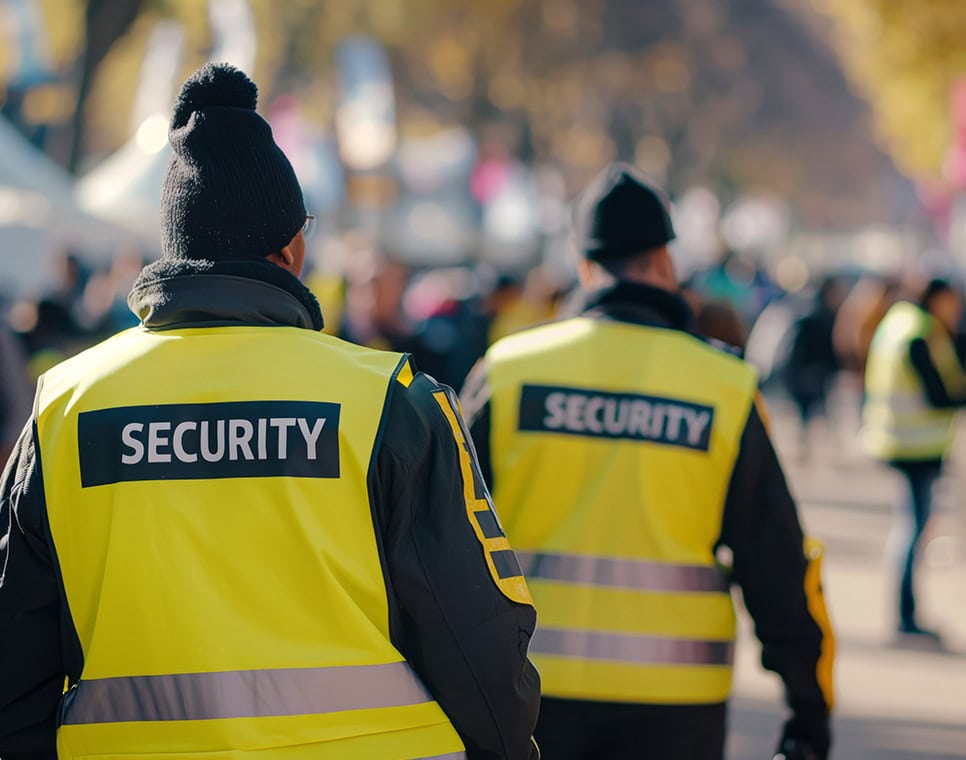

When you’ve been the victim of a violent crime on someone else’s property, you need more than sympathy. You need a battle-tested sword and shield fighting for your rights.
Keller & Keller has been maximizing client settlements and delivering justice since 1936, establishing our firm as one of New Mexico’s leading premises liability law firms. With over 90 years of experience holding negligent property owners accountable, we’ve recovered millions of dollars for our clients, proving that results matter when you’re seeking a New Mexico negligent security lawyer.
Our Albuquerque negligent security lawyers understand that being attacked in a place where you expected to feel safe can change your life in an instant. Physical injuries, emotional trauma, and financial stress pile up while property owners and their insurance companies try to avoid responsibility. This is when having an experienced New Mexico negligent security lawyer matters.
Why You Need a Negligent Security Lawyer After an Attack
The aftermath of a violent crime can turn your life upside down. You’re dealing with physical injuries, emotional trauma, and mounting medical bills while trying to understand how this happened in a place that should have been safe.

Navigating Complex Legal Claims

Understanding Insurance Company Tactics

Understanding Statute of Limitations
Navigating Complex
Legal Claims
Negligent security claims are among the most complex areas of premises liability law. You must prove not only that the property owner failed to provide adequate security, but also that this failure directly led to your attack. This requires establishing foreseeability, showing that the owner knew or should have known that criminal activity was likely. Our New Mexico negligent security attorneys know exactly what evidence to gather and how to build a compelling case that demonstrates the property owner’s failure to protect you.

Understanding Insurance Company Tactics
Property owners and their insurance companies will fight hard to avoid liability. They’ll argue the crime was unforeseeable, that they had adequate security measures in place, or that you somehow contributed to what happened. At Keller & Keller, we’ve seen every defense tactic in the book. Our New Mexico negligent security lawyers have decades of experience countering these arguments to protect your interests and hold negligent property owners accountable.

Understanding Statute of Limitations
Time is not on your side after a violent crime. New Mexico has strict deadlines for filing premises liability claims. You generally have three years from the date of the incident to file a lawsuit, but gathering evidence and building a strong case takes time. The sooner you contact us, the better we can preserve key evidence like security footage, maintenance records, and witness statements that might otherwise disappear.

What to Do After Being Attacked on Someone’s Property
Taking the right steps after a violent crime can protect both your health and your legal claim.
See What Your Case Is WorthGet to a safe location and call 911 immediately
Go to the emergency room even if injuries seem minor
File a police report documenting every detail you remember
Take photos of the location, broken locks, poor lighting, or lack of security
Get contact details from anyone who saw what happened or the conditions
Keep all medical records, police reports, and incident documentation
Document broken cameras, unlit areas, non-functioning locks, or absent security
Early legal representation helps preserve evidence and build your case

The Keller & Keller Injury Lawyers Approach:
New Mexico Injury Lawyers Who Fight to Win
From the moment you contact us, you’ll notice the difference in our approach. Our client-first philosophy means we take the time to understand not just the details of your accident but how it has affected your life, your work, your family, and your future in New Mexico. We clearly communicate every step of the process in plain language you can understand, no confusing legal jargon. This approach has earned us countless 5-star reviews from real New Mexico clients who’ve experienced the Keller & Keller difference firsthand.
We understand that being injured in an accident is stressful enough without having to chase down your lawyer for updates. That’s why we’ve built our practice around transparent, consistent communication.
When you hire us, you’ll have direct access to the New Mexico-based attorney handling your case as well as a dedicated paralegal who monitors its daily status. We keep you informed throughout every stage of your claim, explaining what’s happening, what to expect next, and how it affects your case.
Our 90+ years of experience isn’t just about longevity. It’s about results. Our attorneys have successfully handled thousands of cases in New Mexico and recovered millions and millions of dollars for our clients. We’ve gone toe-to-toe with the biggest insurance companies and won. Our courtroom experience means we’re always prepared to take your case to trial if that’s what it takes to secure fair compensation. This willingness to fight, and our track record of success, often motivates insurance companies to offer better settlements to avoid facing us in court.
The Negligent Security Claim Process with Keller & Keller Injury Lawyers
When you choose Keller & Keller to handle your New Mexico negligent security claim, you can expect a clear, structured process designed to maximize your compensation.
Types of Negligent Security Cases We Handle in New Mexico
Our extensive experience covers all types of negligent security incidents throughout New Mexico.
Hotel and motel attack cases involve assaults in hotels with broken locks, non-functioning room security, or inadequate monitoring of hallways and parking areas. A guest gives up a lot of control on check-in, because the property decides who gets a key and who can reach the rooms. When that control fails and someone is hurt, the question is whether the hotel took reasonable care.
What Does a Hotel Owe Its Guests?
In New Mexico, a business owner has a duty to protect patrons from foreseeable harm by third parties, including intentional or criminal acts (Reichert v. Atler, 1994-NMSC-056). A paying guest generally fits that description. That duty doesn’t make a hotel a guarantor of safety, so the focus stays on what reasonable precautions would have looked like at that property.
A guest’s visitor isn’t necessarily left out. A landowner or occupier generally owes ordinary care to keep the premises reasonably safe for anyone there with express or implied consent, other than trespassers (Ford v. Board of County Commissioners, 1994-NMSC-077). Our guide to premises liability in New Mexico explains that standard in more depth.
Security Failures Specific to Lodging
- Door hardware. A lock that doesn’t latch, a damaged frame, or a connecting door that won’t secure can give an intruder direct access to a sleeping guest.
- Key control. Master keys that go missing, or key cards never deactivated after a former employee leaves, can open rooms without any sign of force.
- Exterior corridors. Many roadside motels open straight onto a walkway or lot, so lighting and sight lines may carry more weight there.
- Hallway and lot monitoring. Cameras nobody watches, or a night clerk with no way to leave the desk, may leave a property effectively unobserved.
- Front desk practices. Handing out a room number or a duplicate key without checking identification can put a guest directly at risk.
Who Actually Runs the Property?
The name on the sign may belong to a brand that neither owns nor operates the building. One company may hold the deed, another may manage daily operations, and a vendor may supply guards. Responsibility tends to follow control, so franchise agreements, management contracts and security vendor agreements can matter.
Records specific to lodging can also fill in what happened. Electronic locks may keep an audit trail showing which card opened a door and when. Maintenance tickets, guest complaints and front desk logs can show whether staff knew a lock had failed before the attack.
Hotels may overwrite these records in the ordinary course of business, so early requests can matter. If an attack took a life, see our New Mexico wrongful death page.
Apartment complex violence cases involve attacks in apartment buildings with poor lighting, broken entry systems, or failure to screen residents. These are difficult cases in New Mexico, and the law here is less settled than it is for businesses and their customers. What the landlord controlled, and what it knew, tend to matter most.
What New Mexico Law Says About Common Areas
Shared areas kept for tenants’ common use must be kept reasonably safe by the landlord (Castillo v. County of Santa Fe, 1988-NMSC-037). Liability under that rule turns on what the landlord knew or should have known and the means available to it. Castillo did not hold a landlord liable for a crime, so whether that duty reaches an attack is a separate question.
The Owner-Resident Relations Act also requires residential landlords to keep common areas safe and follow housing codes affecting health and safety (NMSA 1978 § 47-8-20). The same section says those obligations aren’t meant to change existing tort law, so the Act shouldn’t be read as creating an injury claim of its own.
Where the Law Is Unsettled
We have found no published New Mexico opinion holding a residential landlord liable for a crime committed by a tenant or a stranger. We also can’t tell you that apartment landlords must provide security, because no New Mexico authority we reviewed says so.
The closest published decision favored the landlord. In Rummel v. Edgemont Realty Partners, Ltd., 1993-NMCA-085, a landlord that had given up possession and control of commercial property wasn’t liable for an assault there. The opinion mentions a duty between landlords and tenants only in certain situations, and it predates later changes in how New Mexico courts analyze duty. An apartment owner keeps more control over shared spaces than the Rummel landlord did, which is one reason each building’s facts deserve a close look.
Facts That May Shape an Apartment Claim
- Control of the space. An attack in a parking lot, breezeway or laundry room raises different questions from one inside a leased unit.
- Repair history. Tenant requests about a broken gate or dark stairwell, and how long they sat, can show what management knew.
- Earlier incidents. Police calls and notices to tenants may show whether a danger was already known.
- Promises to residents. Leases or advertising that describe controlled access or courtesy patrols may be relevant, depending on the wording.
- Resident screening. Whether a screening failure can support a claim is an open question, and a specific threat reported to management may matter more than the application file.
Our guide to New Mexico premises liability explains the general rules that apply to property owners. If you were hurt by a hazard rather than an attack, see our slip and fall page.
Parking lot and garage assaults are robberies or attacks in poorly lit, unmonitored parking facilities without security patrols. Garages add stairwells, elevators and concrete pillars that limit what anyone can see or hear. Because the attacker often gets away, these claims frequently turn on what the property’s operator did and how much of the blame falls on the operator.
What If the Attacker Is Never Caught?
A missing attacker doesn’t remove the attacker from the case. Fault can generally be assigned to people who aren’t parties to a lawsuit (NMSA 1978 § 41-3A-1), so a jury may still weigh what an unidentified robber did against what the property owner failed to do. The robber’s share simply may never be collected.
Why the Owner’s Share of Fault Matters
A business that fails to protect a patron from a third party’s attack is liable only for its own percentage of fault, compared with the attacker’s conduct (Reichert v. Atler, 1994-NMSC-056; UJI 13-1320 NMRA). In plain terms, that means an owner found partly responsible generally pays for its part, not for everything. A claim’s value depends heavily on where that percentage lands.
The comparison doesn’t automatically favor the owner. The jury instruction says the owner’s share is “not necessarily reduced” by the third party’s increasingly wrongful conduct, so a violent crime doesn’t by itself shrink the owner’s responsibility to a sliver. An intentional wrongdoer’s own liability is treated differently under the statute, but that rule doesn’t extend to the owner. Our explainer on New Mexico comparative negligence covers how percentages of fault work in general.
Lighting, Cameras and Patrols
Parking facilities are often run by someone other than the business you were visiting, so the lease or operating contract may identify who was in charge of each of these:
- Lighting. Outage reports, repair invoices and photos taken at the same hour of night can show how dark the area really was.
- Cameras. Some are dummies, some point the wrong way, and working systems may record over footage within days.
- Patrols. Guard schedules and tour logs can show whether anyone actually walked the levels, or whether a patrol existed only on paper.
- Access points. Unlocked stairwells, broken gates and open pedestrian entrances can let someone in without passing an attendant.
The operator’s identity matters for timing too. If a city or other public body runs the garage, written notice is generally due within 90 days of the occurrence (NMSA 1978 § 41-4-16), and our overview of the New Mexico Tort Claims Act gives some background.
Shopping center incidents are crimes at retail locations with inadequate security despite known criminal activity in the area. They may happen in a store, a walkway or the shared lot outside. The core dispute is usually what the center’s owner or the store knew about the danger, and what it did with that knowledge.
Does a History of Crime in the Area Matter?
It can, though perhaps not in the way many people expect. New Mexico’s Supreme Court has said that foreseeability is not a factor courts use to decide whether a duty exists (Rodriguez v. Del Sol Shopping Center Associates, L.P., 2014-NMSC-014). It goes instead to breach and legal cause, which ask whether the owner acted reasonably and whether that failure led to the harm.
Put another way, an owner generally can’t avoid the case by arguing that a crime was too unexpected to create any duty. Past incidents still do real work, because they help show what reasonable care required at that location. Rodriguez doesn’t make owners insurers, and it wasn’t itself a security case: a truck crashed into a clinic in the center. A court may also still rule as a matter of law on breach or causation.
What Counts as Known Criminal Activity?
- Calls for service. Police records for the address and the immediate area can show the type, timing and location of past incidents.
- Internal reports. Incident logs and loss prevention files may show what the business recorded privately.
- Tenant complaints. Store managers often raise concerns about loitering, break-ins or threats with center management.
- Earlier security reviews. A consultant’s recommendation that went unfunded can be telling.
- Similarity. Prior armed robberies in the same lot may carry more weight than shoplifting calls at a store across town.
Center Owner or Individual Store?
Retail centers split responsibility in ways shoppers never see. A store usually controls its own interior, while a landlord or management company may control the parking lot, lighting and patrols. Common-area charges and lease terms can show who kept that control, and our premises liability guide explains how New Mexico treats owners and occupiers generally.
Control can be decisive. A landlord that has given up possession and control generally isn’t liable for third-party crime on the leased premises, so a claim may need to focus on the party actually running the space. If several businesses shared responsibility, each generally answers for its own share under New Mexico’s comparative fault rules.
Bar and restaurant attacks are violent incidents at establishments that over-serve alcohol without proper security staff. New Mexico’s leading case on a business’s duty to protect patrons, Reichert v. Atler, 1994-NMSC-056, arose from a bar shooting. These claims can involve two separate questions: whether security was adequate, and whether alcohol was served when it shouldn’t have been.
Thin Staffing, Bad Bouncers and Other Security Failures
Reichert affirmed liability on two tracks. One was direct, for inadequate security. The other was vicarious, meaning the business answered for the conduct of someone acting for it. That distinction fits bar cases well, since the person who hurt you may have been another patron or the doorman.
- Not enough staff. A packed Saturday night with one door person is different from a quiet weeknight, and staffing should reasonably match the crowd.
- Warning signs ignored. Staff who saw an argument build, or a known troublemaker return, may have had time to step in.
- Poor training. Security workers who escalate a confrontation, or who put a fight out the door and walk away, can make it worse.
- Weapons policies. A rule that nobody enforces at the door may be worth examining.
When Over-Serving Is Part of the Story
Alcohol service has its own statute. A licensed seller can be civilly liable for serving someone only if the person was intoxicated, it was reasonably apparent, and the licensee knew it from the circumstances (NMSA 1978 § 41-11-1). That is a demanding test, and a heavy bar tab alone may not satisfy it.
The statute also separates who is bringing the claim. A patron who drank too much and was hurt must show more, namely gross negligence and reckless disregard. Someone attacked by that patron stands in a different position. If an overserved patron later caused a crash, see our guide to drunk driving accident claims in New Mexico.
Sorting Out a Night Nobody Remembers the Same Way
Accounts of a bar fight tend to conflict, and memories may be clouded by alcohol. Objective records can help, including point-of-sale tabs with timestamps, door counts, staff schedules, incident logs and interior video. Footage may be recycled quickly, so it’s often the first thing to go.
Your own conduct may come up too. If you were drinking or took part in an argument, an insurer may argue that you share the blame. In New Mexico, your own fault generally reduces recovery in proportion but doesn’t bar it, and the bar’s responsibility is still limited to its own percentage. Our post on punitive damages in New Mexico covers the higher standard that applies in cases of reckless conduct.
Workplace violence cases involve attacks at businesses that failed to implement basic security measures for employees. In New Mexico, these cases start with a threshold question that other security claims don’t: were you attacked while working for the employer you’d be blaming? The answer may decide whether you have a lawsuit or a workers’ compensation claim.
Why Your Own Employer Usually Can’t Be Sued
For a covered injury, workers’ compensation is generally the exclusive remedy against your employer, its insurer and your co-workers (NMSA 1978 § 52-1-6). In practice, that means an employer who ignored threats or skipped basic security usually answers through the compensation system, not a negligence suit. The Act covers employers of three or more workers, along with others described in the statute, and the employer must have complied with its insurance requirements.
Compensation has short timelines of its own. A worker generally must give the employer written notice within 15 days of knowing of the accident, unless a supervisor already had actual knowledge (NMSA 1978 § 52-1-29). New Mexico’s Occupational Health and Safety Act also doesn’t enlarge or reduce these rights.
The Narrow Exception for Willful Conduct
An injured worker may sue an employer in tort when the injury results from employer willfulness under Delgado v. Phelps Dodge Chino, Inc., 2001-NMSC-034. The test has three parts:
- An intentional act or omission. It must be without just cause and reasonably expected to result in the injury.
- A particular state of mind. The employer expects the injury or utterly disregards the consequences.
- Causation. That act or omission must proximately cause the injury.
This is a narrow door. Negligence doesn’t qualify, even gross negligence, and courts often find the test isn’t met. A pattern of known threats that management consciously chose to ignore may be worth examining under this test, but no one should assume it applies.
Who Else May Be Responsible?
The Act doesn’t affect a claim against someone other than your employer, a co-employee or the employer’s insurer (NMSA 1978 § 52-5-17). Depending on the facts, that could be a separate property owner or an outside security company. If you’re visiting a business for work, such as making a delivery, the rules for people on someone else’s property may also apply, since you’re not that company’s employee.
These claims have limits too. In Rummel v. Edgemont Realty Partners, Ltd., 1993-NMCA-085, a Circle K employee assaulted at work could not sue the store’s out-of-possession lessor. And if you accept compensation, your employer or its insurer generally has a reimbursement right against what you recover from the other party. If you were hurt on a job site, see our construction site accident page.
ATM robbery cases involve assaults at ATM locations without adequate lighting, surveillance, or security presence. A robber may wait for someone to finish a withdrawal, when the victim is distracted and holding cash. The claim usually depends on who controlled the location and whether a different setup would have changed what happened.
Who Controls the Spot Where the Machine Sits?
An ATM isn’t always a bank’s responsibility alone. Several arrangements are common, and each can point to a different party:
- At a bank branch. The bank may own the building, the machine and the lot, although a landlord could still control the grounds.
- Drive-up lanes. Blocked sight lines and landscaping along the lane may be the concern here.
- Inside a store or gas station. The retailer usually controls the premises, even when an outside company owns the machine.
- Free-standing kiosks. A kiosk in a shared lot can involve a machine operator, a property owner and a management company.
Control matters because a party that has given up possession and control generally has a strong argument against liability for third-party crime. The business occupying the space may be a better focus, and you generally don’t need to be that bank’s own customer to be owed ordinary care while you’re there with permission. Our New Mexico premises liability guide covers that standard.
Would Better Security Have Changed Anything?
Causation can be the hardest part of an ATM claim. It isn’t enough to show a light was out or a camera was missing. The harder question is whether the missing measure would likely have prevented the robbery, because a court may rule as a matter of law on causation in some cases.
The answer may differ from one measure to the next. Good lighting and clear sight lines might discourage an attacker or let you spot one in time. A camera may mainly help identify a robber afterward, although a visible one can also have some deterrent effect. Evidence of earlier robberies at the same machine can help on both breach and causation, and it may also show the owner had reason to act.
Your Transaction Record as a Time Stamp
ATM cases have one built-in advantage: the machine records the moment you were there. Your receipt or account history can fix the time, which makes it easier to ask for video from the machine and nearby businesses before it’s recorded over.
An insurer may argue that you shouldn’t have used the machine alone at night. In New Mexico, that kind of argument at most goes to comparative fault, and the percentage can only reduce what you recover, as our guide to New Mexico comparative negligence explains.
School and campus incidents are attacks on educational properties with insufficient access controls or security personnel. The first question is who runs the school. A private school or college generally falls under the ordinary rules for property owners, while a public school district or state university is a public body under the New Mexico Tort Claims Act.
Why Public Schools Follow a Different Set of Rules
Governmental entities and public employees acting within the scope of duty are immune from tort liability except where the Act waives that immunity (NMSA 1978 § 41-4-4). So a claim against a public school must fit a specific waiver. The one that usually matters here covers negligence in operating or maintaining a building (NMSA 1978 § 41-4-6).
The key case is Upton v. Clovis Municipal School District, 2006-NMSC-040. It says this waiver reaches negligent operation that creates a dangerous condition for those who use the building, including a failure to follow safety policies. A claim can’t rest on negligent supervision alone, though.
In plain terms, that means “a teacher should have been watching” may not be enough, while “the school ignored its own locked-door procedure” may fit better. Upton was decided at the pleading stage, so it doesn’t settle how any given case comes out.
Timing is also far tighter than in a claim against a private school. Written notice is generally due within 90 days of the occurrence, or six months for a death, and for a school district it goes to the superintendent (NMSA 1978 § 41-4-16). Without it, a claim may proceed only if the agency had actual notice of a likelihood of litigation, so a school’s knowledge that a student was hurt may not be enough. Our overview of the New Mexico Tort Claims Act has more background.
Limits on What a Public School Can Be Ordered to Pay
The Act limits liability to $400,000 per person for damages other than real property and medical expenses, and $300,000 for past and future medical and related expenses (NMSA 1978 § 41-4-19). It doesn’t allow punitive damages or prejudgment interest.
What Evidence Fits a School Attack?
Safety plans and visitor procedures can matter a great deal, because Upton looks at whether safety policies were followed. Door-lock records, staffing rosters, earlier threat reports and campus security logs may help as well. Students at colleges face their own mix of dorms, parking and shared spaces, and our post on injuries at college describes some of them.
Entertainment venue violence covers assaults at concerts, theaters, or events with inadequate crowd control or security. A large crowd creates risks a single attacker doesn’t, including a surge toward a stage or exit. Because a venue invites thousands of people in and sets the conditions they gather under, planning for that crowd is often the focus.
When the Danger Comes From the Crowd Itself
Not every venue injury involves a person setting out to hurt someone. New Mexico’s jury instruction on business owners, UJI 13-1320, has commentary extending the duty to “innocent, negligent, intentionally tortious, or criminal” conduct by third parties. So being crushed in a rush for the doors may raise similar questions to being punched in a beer line.
Crowd problems tend to have warning signs. Common failures include:
- Overselling or overfilling. Attendance above what the floor or exits can handle, whatever the ticket count says.
- Too few trained staff. Ushers placed in security roles with no training, or a guard count that doesn’t fit the event.
- Poor entry screening. Weapon checks that were skipped when lines got long.
- Blocked or confusing exits. Barricades that trap people in place during a scare.
- No plan for a known rivalry. An event with a history of fights calls for more than a standard staffing plan.
Venue, Promoter or Security Company?
A single concert may involve a building owner, a venue operator, an outside promoter, a ticketing company and a hired security firm. Each may point at the others, and their contracts can show who agreed to handle crowd management. In most New Mexico negligence cases, each one generally pays only the share matching its own percentage of fault, so leaving out the party that actually ran security could leave part of the loss uncollected.
Our New Mexico premises liability guide explains how the law treats owners and occupiers. A fairground, stadium or civic center owned by a public body may fall under different notice rules, as our Tort Claims Act overview describes.
Records That Show How the Night Was Planned
Venue cases often rest on documents created before the doors opened. Security plans, staffing assignments and event risk assessments can show what the organizers expected. Ticket scans and capacity counts can show how many people were inside, and radio logs and incident reports can show how quickly staff responded.
Video may exist in abundance, from venue cameras to phones in the crowd. Other attendees’ recordings can be some of the best evidence of how an incident started, and they may be posted publicly or easy to lose track of, so finding them early can matter. Any comparison of what the planners knew with what they did will depend on the facts of that event.
Hospital security failures are attacks in healthcare facilities with insufficient security in emergency rooms or psychiatric units. The person hurt might be a patient, a visitor, or a staff member. Who ran the facility and why you were there can change the rules that apply, sometimes dramatically.
Why Emergency Rooms and Psychiatric Units Are Different
Hospitals can’t always turn people away, and they stay open around the clock. An emergency room may mix agitated or intoxicated people with those too sick to protect themselves, and long waits can raise tension. Psychiatric units house patients who may be a danger to others, so the concern there is often known behavior rather than a stranger coming in.
Typical failures include these:
- Unsecured entrances. Side doors and ambulance bays that anyone can walk through.
- Too little security staff. A single guard covering a large campus overnight.
- No plan for a flagged threat. A violent incident or threat in a chart that never reaches the people on the floor.
- Weak unit controls. Psychiatric doors that don’t lock, or room assignments that ignore a known risk.
- Parking and walkways. Staff and visitors heading to their cars at night through poorly lit areas.
Who Runs the Hospital Can Change Everything
New Mexico has private hospitals, public hospitals and federal facilities, and the path for a claim may differ for each:
| Type of facility | What may apply |
|---|---|
| Private hospital | Ordinary rules for owners and occupiers, including the duty to protect visitors from foreseeable harm by third parties, depending on the facts |
| State, county or other public hospital | The Tort Claims Act, which waives immunity for negligence in operating public hospitals and like facilities (NMSA 1978 § 41-4-9), with written notice generally due within 90 days |
| Federal facility, such as a VA hospital | Federal rules: a claim must first be presented to the agency in writing, generally within two years, and any trial is to a judge without a jury (28 USC 2401, 2402, 2675) |
Our overview of the New Mexico Tort Claims Act gives more background on public facilities. If the harm came from medical care itself, see our medical malpractice page.
Patient, Visitor or Staff Member?
Visitors generally stand on the most familiar ground, since a hospital owes ordinary care to people on its property with consent. A patient’s claim may involve the same security questions, along with records of how staff responded.
Hospital employees face the workers’ compensation limits that apply to all workplace attacks, so a claim against their own employer is generally barred, while a claim against an outside security contractor may not be. Evidence can include incident reports, security rounds, staffing rosters, door logs and earlier assaults on the same unit. Hospitals may treat some internal reviews as confidential, so what can be obtained will vary.
The Hard Truth
New Mexico Negligent Security Statistics That Demand Action
When we talk about negligent security in New Mexico, we’re addressing real violence that happens when property owners cut corners on safety. As your advocates, you deserve to know the sobering facts behind our mission.
With nearly double the average New Mexico ranked second among all states for violent crime rates in 2024. The state also ranked first in the nation for property crime, with 2,751 offenses per 100,000 people. This elevated crime environment means property owners have even greater responsibility to protect visitors and tenants from foreseeable criminal activity.
Parking lots, apartment complexes, hotels, and commercial properties remain high-risk areas where property owners too often choose profit over safety, cutting costs on security guards, lighting, surveillance systems, and access controls.
While recent FBI data shows violent crime decreased 6.36% from 2022 to 2023 in New Mexico, with property crime dropping 3.77%, the state still faces a crisis of preventable violence. Behind every statistic is a human story, victims facing devastating medical expenses, long-term psychological treatment, lost wages, and permanent trauma that affects every aspect of their lives.
Leading Security Failures That Lead to Attacks
Understanding what went wrong helps establish the property owner’s liability.
Negligent Security Injuries We Represent In New Mexico
Violent crimes on negligently secured properties cause devastating physical and emotional injuries. We work with both medical experts and mental health professionals to fully document all your injuries, ensuring your compensation reflects not just your current condition, but the long-term impact this attack will have on your life.
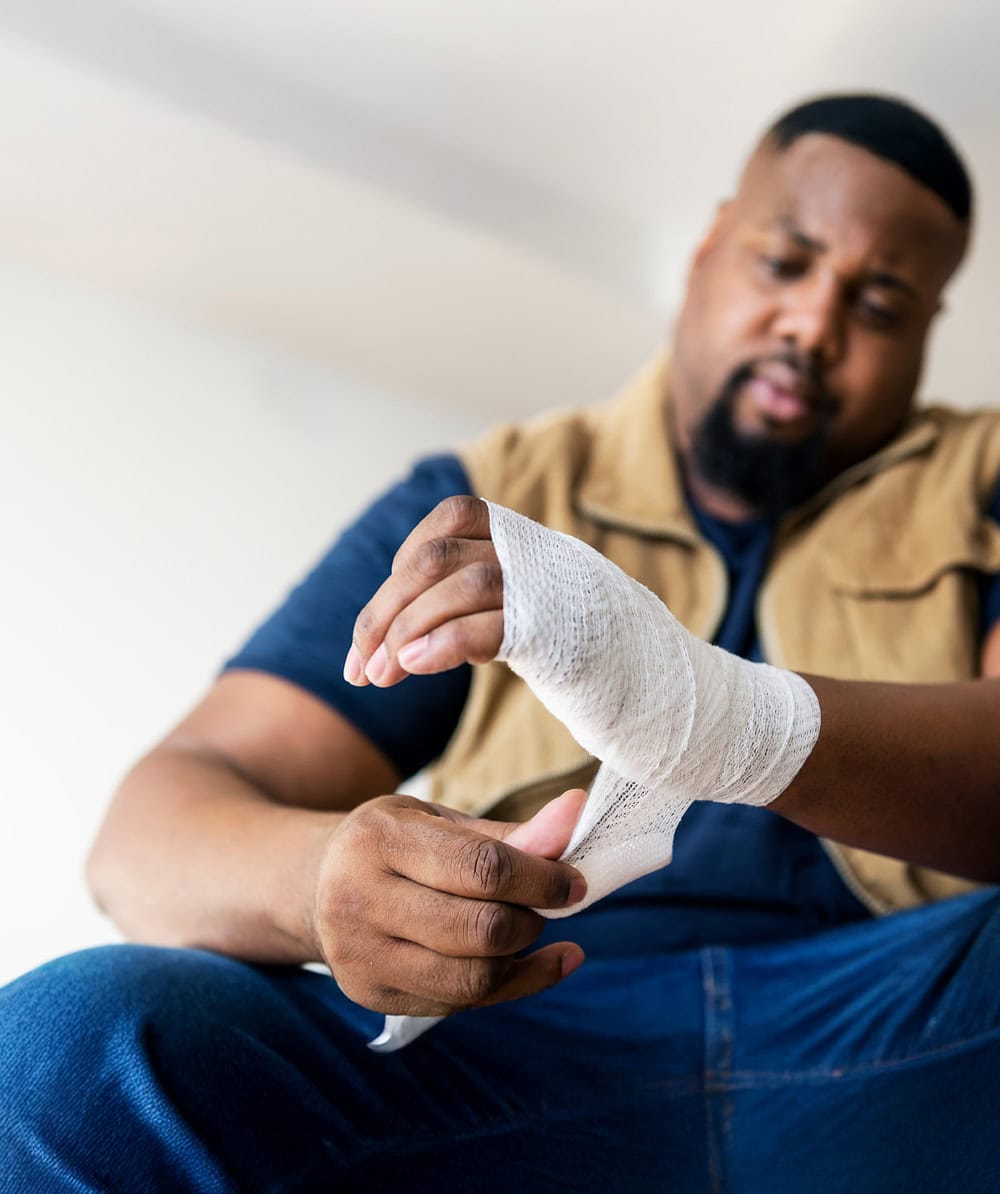
Compensation Available for New Mexico Negligent Security Victims
If you’ve been injured in a violent crime due to negligent security on someone else’s property, you may be entitled to various types of compensation.
Economic Damages
These are quantifiable financial losses, including:
- Medical expenses (past, current, and future treatment)
- Lost wages and reduced earning capacity
- Psychological counseling and therapy costs
- Rehabilitation and long-term mental health treatment
- Security system expenses for your home
- Relocation costs if you can no longer feel safe in your residence
Non-Economic Damages
These more subjective damages compensate for:
- Pain and suffering from physical injuries
- Emotional distress and psychological trauma
- Loss of enjoyment of life and sense of security
- Disfigurement and scarring from assault
- Loss of consortium (impact on marital and family relationships)
- Post-traumatic stress disorder (PTSD) and ongoing anxiety
Punitive Damages
In cases involving particularly egregious negligence, such as property owners who ignored repeated criminal incidents or deliberately disabled security systems to cut costs, New Mexico courts may award punitive damages designed to punish the wrongdoer and deter similar behavior.
Wrongful Death Damages
When negligent security incidents result in fatalities, surviving family members may recover compensation for funeral and burial expenses, loss of financial support and benefits, loss of companionship and guidance, and the pain and suffering of their loved one before death.
How Keller & Keller Injury Lawyers Investigates New Mexico Negligent Security Cases
Our meticulous approach to evidence gathering builds the strongest possible foundation for your claim:

Setting the New Mexico Standard
Cutting-Edge Investigation Technology
While other law firms rely on outdated methods, Keller & Keller leverages cutting-edge technology to build stronger cases and win bigger settlements for our New Mexico negligent security clients.
Professional drone documentation
Captures property layouts from angles impossible with traditional methods, providing evidence of inadequate lighting, security blind spots, broken fencing, overgrown landscaping that provides criminal hiding places, and overall security deficiencies across large properties like apartment complexes and parking lots.
Advanced voice-over-IP networks
Enables real-time collaboration between attorneys, investigators, security experts, and witness interviews, ensuring no detail is overlooked in documenting the property owner’s negligence.
Digital forensics & data recovery
Our technicians retrieve evidence including deleted surveillance footage, security system logs showing when cameras or alarms were disabled, electronic access records, and maintenance requests that prove the property owner knew about security failures.
Cloud-based case management
Provides you 24/7 access to your case information and status updates, allowing you to track progress while focusing on your physical and emotional recovery.
Rapid-response investigation
Allow us to conduct on-site evidence gathering within hours of an incident, preserving evidence like lighting conditions at the time of day the attack occurred, witness statements before people relocate, and physical evidence before the property owner can make repairs to cover up negligence.
Service Areas
New Mexico
Cities We Serve
What Sets Keller & Keller Injury Lawyers Apart
With so many law firms advertising their services, why choose Keller & Keller? The differences are clear.
Zero Fee Guarantee
We believe everyone deserves quality legal representation, regardless of their financial situation. That’s why we work on a contingency basis. You pay absolutely nothing unless and until we win your case. No upfront costs, no hidden fees, no financial risk to you.
* Clients may owe court costs if they lose





No Fee Until We Win!
Get Started TodayDon’t Take Our Word For It!
View More Testimonials“By far exceeded our expectations”
JoAnne
From the moment we reached out to Keller & Keller to the case settling in less than 5 months Amanda guided us step by step, what to expect when, she was very thorough. We are extremely grateful for her superb service. I would highly recommend the firm.
“I was very pleased with the legal services I received from Keller & Keller”
Kevin
The time after my car accident was very frustrating. During the most hard times, I always turned to my paralegal, and they would listen. I was very happy with the outcome of my case and would recommend Keller & Keller to anyone in need of an outstanding personal injury law firm!
Take Action Now
Your New Mexico Negligent Security Claim Starts Here
Free Consultation
We’ll evaluate your case honestly and explain your options in plain English. We’ll come to you, whether you’re at home, in the hospital, or wherever is convenient.
We Fight
Our experienced team fights to investigate thoroughly, deal with insurance companies, and handle all the legal complexities while you focus on getting better.
You Recover
Focus on healing while we handle the rest. We’ll fight for you like we’d fight for our own family, because that’s exactly how we see you.
Zero Fee Guarantee
We believe everyone deserves quality legal representation, regardless of their financial situation. That’s why we work on a contingency basis. You pay absolutely nothing unless and until we win your case. No upfront costs, no hidden fees, no financial risk to you.
* Clients may owe court costs if they lose

The Keller Tradition:
Bringing Nearly a Century of Excellence to New Mexico
Frequently Asked Questions
Have Questions? We’re here to help.
Injured and not sure what to do next?
We’ll help guide you through everything you need to know
Albuquerque, NM Office
6301 Indian School Rd NE #920 Albuquerque, NM 87110
(505) 938-2300