

New Mexico Wrongful Death Lawyer
Keller & Keller Injury Lawyers’ Winning Approach
Free Case EvaluationLost a Loved One to Someone’s Negligence?
Get started with a free case evaluation. No Fee Until We Win.
100% Free Evaluation
Provide a few details and our team will handle the rest.
"*" indicates required fields

“As a busy mom of three, I’m so grateful I didn’t have to face the legal battle alone. Thank you, Keller & Keller Injury Lawyers.”
Kelly
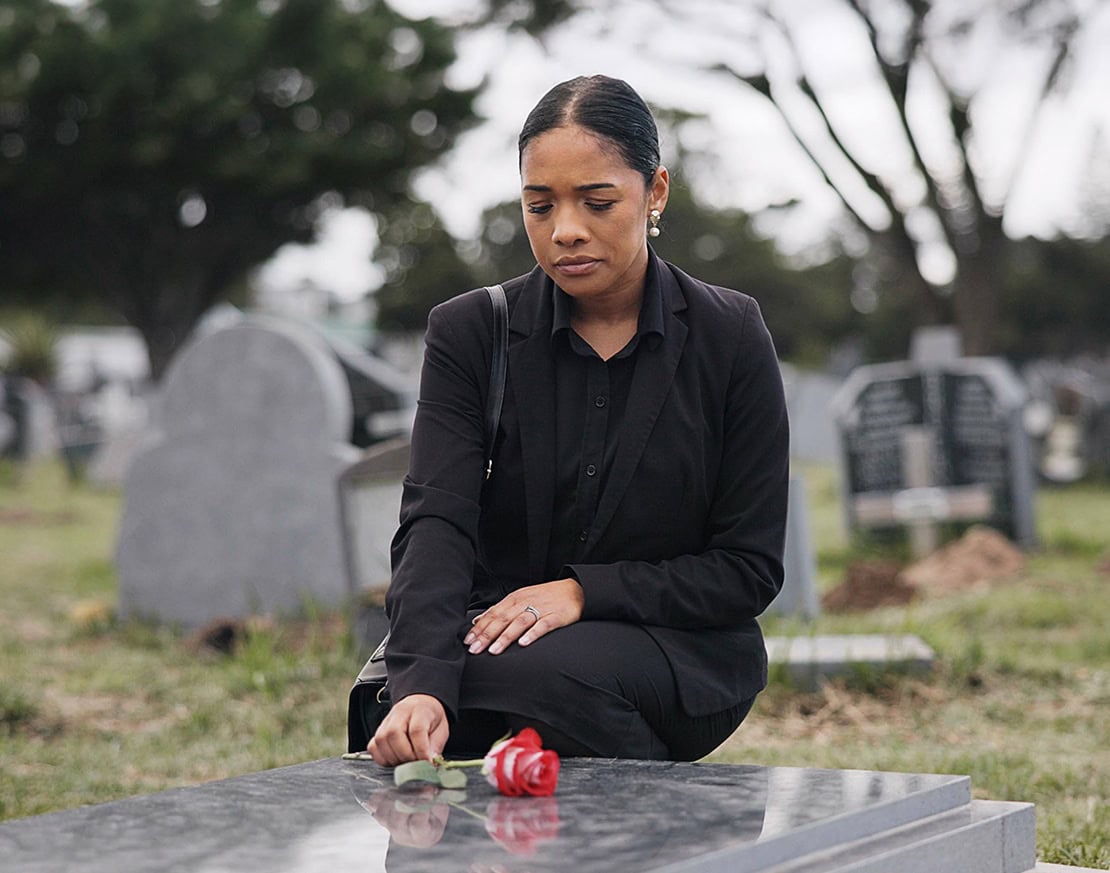

Losing a loved one to an accident caused by someone else’s negligence brings with it intense emotions and complicated questions that no family should have to face alone. When you’re grieving, you need more than just any lawyer. You need a battle-tested sword and shield fighting for your rights and your family’s future.
Why You Need a New Mexico Wrongful Death Lawyer After Losing a Loved One
Losing a loved one to negligence creates overwhelming financial chaos while you’re grieving. Meanwhile, responsible parties and insurance companies are already working to minimize what they owe your family.

Navigating Complex Legal Claims

Understanding Insurance Company Tactics

Understanding Statute of Limitations
Navigating Complex
Legal Claims
New Mexico wrongful death cases involve strict deadlines, complex calculations, and proving liability. You have three years to file, but waiting allows crucial evidence to disappear.

Understanding Insurance Company Tactics
Insurance companies view wrongful death claims as expenses to minimize. They’ll question your loved one’s life expectancy and earning capacity to reduce payments and pressure families into lowball settlements.

Understanding Statute of Limitations
New Mexico’s three-year deadline is non-negotiable. Miss it, and you permanently lose your right to compensation. Government cases have even shorter requirements.

What to Do After a Wrongful Death in New Mexico
The actions you take after losing a loved one can impact your family’s ability to recover compensation.
See What Your Case Is WorthMove to a safe location away from traffic and check for injuries.
Keep records of medical bills, funeral expenses, and financial losses Don’t speak to insurance companies: They’ll use your statements against you during negotiations
Defense attorneys monitor social media for anything that could damage your case
You’ll need multiple certified copies for legal proceedings
Notify your loved one’s employer about benefits and final paychecks
Gather tax returns, pay stubs, and employment records to prove lost earnings
The sooner we start working, the better we can protect your family’s interests

The Keller & Keller Injury Lawyers Approach:
New Mexico Injury Lawyers Who Fight to Win
From the moment you contact us, you’ll notice the difference in our approach. Our client-first philosophy means we take the time to understand not just the details of your accident but how it has affected your life, your work, your family, and your future in New Mexico. We clearly communicate every step of the process in plain language you can understand, no confusing legal jargon. This approach has earned us countless 5-star reviews from real New Mexico clients who’ve experienced the Keller & Keller difference firsthand.
We understand that being injured in an accident is stressful enough without having to chase down your lawyer for updates. That’s why we’ve built our practice around transparent, consistent communication.
When you hire us, you’ll have direct access to the New Mexico-based attorney handling your case as well as a dedicated paralegal who monitors its daily status. We keep you informed throughout every stage of your claim, explaining what’s happening, what to expect next, and how it affects your case.
Our 90+ years of experience isn’t just about longevity. It’s about results. Our attorneys have successfully handled thousands of cases in New Mexico and recovered millions and millions of dollars for our clients. We’ve gone toe-to-toe with the biggest insurance companies and won. Our courtroom experience means we’re always prepared to take your case to trial if that’s what it takes to secure fair compensation. This willingness to fight, and our track record of success, often motivates insurance companies to offer better settlements to avoid facing us in court.
The Wrongful Death Claim Process with Keller & Keller Injury Lawyers
When you hire us, we don’t waste time. Our investigation starts immediately because evidence disappears fast, and insurance companies start building their defense the moment they’re notified.
Types of Wrongful Death Cases We Handle
We handle all types of wrongful death cases throughout New Mexico, each presenting unique challenges and legal considerations.
Car crashes, truck accidents, motorcycle collisions and pedestrian accidents on New Mexico’s highways and city streets can all lead to a wrongful death claim. The claim generally exists when someone’s negligence caused the death and the person could have sued had they lived (NMSA 1978 § 41-2-1). What sets these cases apart is that the most important witness to the crash is gone.
Proving What Happened When Only One Driver Can Tell It
The surviving driver’s version may be the only one in the police report. Physical and electronic evidence often has to speak for the person who died, and black box data in a New Mexico wrongful death claim can help fill that gap. Phone records and nearby video may do the same, especially when a pedestrian or motorcyclist was struck at night.
If a commercial truck was involved, see our semi truck accident page.
Can the Blame Be Put on the Person Who Died?
It may be tried. The other side can argue that your loved one was speeding, crossed outside a crosswalk or turned without looking, and nobody is left to answer. New Mexico’s pure comparative fault rule generally reduces a recovery by that share of fault without ending the claim (Scott v. Rizzo, 1981-NMSC-021).
One argument is off the table. Not wearing a seat belt or using a child restraint can’t be treated as fault or negligence, and can’t reduce damages (NMSA 1978 § 66-7-373).
Who Brings the Claim, and What Can It Include?
A wrongful death action must be brought by a personal representative, who acts as a trustee for the survivors, so it isn’t something any relative can simply file (NMSA 1978 § 41-2-3). A spouse may also bring a separate claim for loss of consortium, meaning the loss of that relationship (Romero v. Byers, 1994-NMSC-031). An unmarried partner can bring one by proving an intimate familial relationship, which turns on factors such as duration and mutual dependence (Lozoya v. Sanchez, 2003-NMSC-009).
Damages can include medical and funeral costs, pain and suffering before death, and lost earnings and household services (UJI 13-1830 NMRA). Each element needs evidence. Someone who survived a crash for hours or days may leave a record of that time in ambulance and hospital charts, and those records can matter as much as the crash report.
Insurance is often the practical limit on a fatal crash claim. Our New Mexico car accident page explains how fault and coverage work in these crashes.
A medical malpractice death occurs when healthcare providers fail to meet professional standards and a preventable death results. That may mean a missed diagnosis, a surgical error or a medication mistake. Families often have only a sense that something went wrong, and the death brings wrongful death law and New Mexico’s Medical Malpractice Act together.
Which Rules Apply to a Death in Medical Care?
The answer depends on who provided the care. The Act covers listed providers such as doctors and hospitals, but only those who meet its insurance and surcharge requirements get its benefits (NMSA 1978 § 41-5-5). A claim against a public hospital or state-employed provider falls under the Tort Claims Act instead. Our New Mexico medical malpractice page covers how these claims proceed.
Timing is unusual as well. Against a covered provider, the three years generally run from the act of malpractice rather than from discovery or from the death (NMSA 1978 § 41-5-13), so a patient who declined slowly may have used up much of that time.
What Happens to a Family’s Damages Under the Caps?
The Act’s per-occurrence caps apply to death claims, and the figures vary by type of defendant, as our guide to the New Mexico malpractice cap explains. Medical care stays outside these limits. Loss of consortium claims stay inside them, however many there are, so a spouse’s claim generally doesn’t add a second cap (NMSA 1978 § 41-5-6).
That can matter when several children and a spouse each lost someone different to them. Juries aren’t told about the caps, so a verdict may later be reduced. Exemplary damages have their own rules too. For claims arising on or after May 20, 2026, punitive damages require clear and convincing evidence and can’t be in the initial complaint (NMSA 1978 § 41-5-7.1).
Hospital Bills, Experts and the Medical Chart
Survivors often worry about inheriting the bills. Where the listed relatives survive, wrongful death proceeds aren’t liable for the deceased person’s debts, because the money passes to them by statute and isn’t an estate asset (NMSA 1978 § 41-2-3). The statute sets the order too: all to a spouse if there is no child, and half to a spouse and half to children and grandchildren if there are both.
Proof usually rests on the chart and on expert testimony, which is required when the issue is beyond common knowledge. The defense may say the illness caused the death rather than the care, so the question is often what would have happened with proper treatment. An autopsy may answer questions the chart can’t, and the chance for one can pass quickly. Our post on emergency room mistakes in New Mexico shows how quickly an error can turn fatal.
Workplace wrongful death cases involve construction site deaths, industrial accidents and other workplace fatalities due to safety violations. Workers’ compensation usually stands between the family and the employer, which makes these claims different from most other deaths on this page. The practical work is often finding who else, besides the employer, had a hand in what happened.
Can a Family Sue the Employer?
Generally not. For a covered injury, workers’ compensation is the exclusive remedy against the employer, its insurer and co-employees, provided the employer complied with the Act’s insurance requirements (NMSA 1978 §§ 52-1-8, 52-1-9). A death claim for compensation has its own timing, generally within one year of the worker’s death (NMSA 1978 § 52-1-31).
A narrow exception exists for employer willfulness. It requires an intentional act or omission reasonably expected to cause the injury, an employer that expected the injury or utterly disregarded the consequences, and proof that the act caused it (Delgado v. Phelps Dodge Chino, Inc., 2001-NMSC-034). Negligence isn’t enough, even gross negligence, and courts often find the test isn’t met.
A safety violation can still matter inside the compensation system. Benefits generally rise ten percent if the injury results from the employer’s failure to provide safety devices required by law (NMSA 1978 § 52-1-10).
Who Else Might Be Responsible?
The Act doesn’t affect claims against someone other than the employer, a co-employee or the employer’s insurer (NMSA 1978 § 52-5-17). Those outside parties may include:
- A negligent driver. A worker killed on a roadway or at a job site may have been struck by someone with no tie to the employer.
- An equipment maker. If a machine failed, see our New Mexico product liability page.
- Another company on site. A separate company’s crew may have created the hazard.
- A general contractor, with care. Our New Mexico construction site accident page explains when one can be sued.
Compensation and a wrongful death claim can run side by side, with some limits. Accepting compensation assigns the third-party claim to the employer or insurer to the extent of benefits paid, and the same loss can’t be recovered twice. A family should expect any third-party recovery to raise a question of repayment.
What Can a Workplace Safety Investigation Tell You?
New Mexico runs its own OSHA-approved State Plan, covering most private employers and state and local government, with exceptions that include federal employers and tribal lands. After a death, the investigation file may identify the hazard, the people present and what the employer told investigators.
A citation has limits, though. New Mexico’s Occupational Health and Safety Act doesn’t enlarge or diminish anyone’s rights and liabilities for workplace injuries (NMSA 1978 § 50-9-21). An investigation file may be a useful source of facts, but it doesn’t decide a civil claim. Coworkers who saw what happened may also move on or change jobs, so their names matter early.
A defective product death happens when a dangerous product causes fatal injuries because of a design flaw or a manufacturing defect. A missing or inadequate warning can create the same danger. In a death case, the person who bought and used the item can no longer explain what happened, so the family has to rebuild that story.
Proving How a Product Was Used When the User Has Died
Design, manufacturing and warning claims each need different proof, and our New Mexico product liability page explains them. For a family, the first task is simpler. Someone has to show what the item was, how it was being used and what happened in the moments before the death.
Purchase records, photos, household members and emergency responders may each supply a piece of that. A defendant may argue that misuse contributed, and comparative fault principles generally apply to product claims. A reduction for fault isn’t the same as losing the claim, yet that argument can be hard to answer when the person isn’t there to respond.
If a drug or implanted device was involved, see our defective drug and device page.
Why the Product Has to Be Kept
The item is usually the central evidence, and families are often pressed to let it go. A wrecked car may be headed for salvage, and a store may offer to take back a failed heater. Keeping it unaltered, along with receipts, manuals and serial numbers, may preserve the only way to test it.
Clearing out a loved one’s home or garage can destroy this evidence by accident, so it helps to set the item aside before anyone starts. A recall notice can help identify a problem, though it doesn’t by itself prove what caused a particular death.
Who Answers, and What Can a Jury Consider?
The claim can extend beyond the factory. Strict liability generally reaches those in the business of putting a product on the market, including manufacturers, retailers and commercial lessors, but not casual sellers (Stang v. Hertz Corp., 1972-NMSC-031). Those strictly liable for making and selling a defective product remain jointly and severally liable for their portion, an exception to New Mexico’s usual pay-your-own-share rule (NMSA 1978 § 41-3A-1).
Internal company records may matter for another reason. A jury in a death case may consider aggravating circumstances and award exemplary damages (NMSA 1978 § 41-2-3). Those require a culpable mental state, and as a known danger rises, a failure to act is more likely to show one (Clay v. Ferrellgas, Inc., 1994-NMSC-080). Prior complaints and testing may show what the company understood before the death.
Premises liability death cases involve fatal injuries caused by dangerous property conditions or negligent maintenance, and in some cases by inadequate security. A person might fall from a failing balcony, drown in an unfenced pool or die in a fire that blocked exits made worse. The question is usually what the owner knew, what the owner controlled, and why the person was there.
Was the Person Allowed to Be There?
A landowner or occupier generally owes everyone on the property with express or implied consent, other than trespassers, ordinary care to keep the premises reasonably safe (Ford v. Board of County Commissioners, 1994-NMSC-077). A guest, a customer and a delivery driver may all fall within that duty. Our guide to premises liability in New Mexico explains the standard.
Status can still come up, because the person can’t explain why they went where they did. Permission can end if someone goes outside the expected area or use, and trespassers remain a separate category with more limited duties. An obvious hazard doesn’t by itself relieve an occupier of its duty to business visitors, because a visitor’s foreseeable carelessness is handled by comparing fault (Klopp v. Wackenhut Corp., 1992-NMSC-008).
Who Actually Controlled the Dangerous Spot?
Ownership and control may sit with different people, and the answer can decide the claim:
- The business or tenant in possession. The party running the place day to day may be the one who knew about the problem.
- The landlord. Reasonable care is required for spaces set aside for tenants to share (Castillo v. County of Santa Fe, 1988-NMSC-037). Stairways, walkways and shared pools may be part of that.
- The maintenance company. A contractor hired for elevators, gas lines or electrical work may have left the hazard behind.
- The builder or designer. Claims over a defective physical improvement generally can’t be brought more than ten years after substantial completion (NMSA 1978 § 37-1-27), so the building’s age may matter.
- A public body. Immunity is waived for negligent operation or maintenance of public buildings and parks (NMSA 1978 § 41-4-6), under stricter claim rules.
Records can show what was known before the death. Inspection logs, repair requests, prior complaints and code citations may all be relevant, and they matter more because a dangerous condition is often repaired soon afterward. Photographs taken quickly may be the only record of how the place looked. If a fall caused the death, see our New Mexico slip and fall page.
When the Person Who Died Was a Child
A child can’t be expected to read a hazard the way an adult would. Limited duties for trespassing children exist under the uniform jury instructions, and whether they apply depends on the condition and the facts. Swimming pools in Albuquerque are a familiar example, where a broken gate or an unlocked door may be the key fact.
The law also directs where any recovery goes. If the child was a minor, childless and unmarried, the proceeds generally go to the parents (NMSA 1978 § 41-2-3). A child who earned nothing doesn’t make the claim worthless, since damages aren’t limited to lost income.
A nursing home neglect death occurs when a care facility fails to protect a vulnerable resident and the failure leads to a preventable death. Because residents are often frail, a death may be put down to age or a long decline. Families may start asking questions only after they see the records.
When “Natural Causes” Deserves a Second Look
A death certificate rarely tells the whole story of the weeks before. Federal care rules give families something to compare against the chart, and our page on New Mexico nursing home abuse covers those standards. Patterns that may deserve a closer look include:
- A wound that became infected. As our post on New Mexico bed sores explains, a pressure ulcer may be part of a fatal chain.
- A sudden decline in weight or fluids. Intake records may show a change nobody acted on.
- A fall weeks earlier. The complications may be listed as the cause of death while the fall goes unmentioned.
- A medication change. A wrong or missed dose may never appear in the final summary.
Families often hold useful evidence of their own. Photos from visits, notes of what staff said and messages to the facility can help fix when a problem began.
Who Answers Beyond the Facility Itself?
Responsibility may extend upward. A New Mexico jury has held a facility and its ownership or management companies liable in a wrongful death case involving inadequate staffing, on the evidence in that case (Collado v. Fiesta Park Healthcare, 2023-NMCA-014). Budget and staffing decisions made elsewhere can therefore matter, and schedules can be compared with what a resident actually needed.
The Resident Abuse and Neglect Act won’t carry the claim. It is a criminal statute and doesn’t expressly set out a private civil suit, so a family’s claim generally rests on the Wrongful Death Act (NMSA 1978 § 41-2-1). That claim, like any other, must be brought by a personal representative rather than a relative acting alone.
Two Arguments Facilities Often Raise
The first is age: a resident had no income and limited time, so the claim is said to be worth little. New Mexico recognizes the value of life itself as compensable (Romero v. Byers, 1994-NMSC-031), and the jury instruction allows damages even if monetary loss to survivors can’t be shown. Each element still needs evidence, and our guide to wrongful death damages in New Mexico lists them.
The second is arbitration. An agreement signed at admission may surface after a death, and the facility may argue that the family’s claim belongs outside a courtroom. Whether it does depends on the wording of the agreement and how it was signed. Anyone resisting an agreement as unconscionable bears the burden of proving it (Strausberg v. Laurel Healthcare Providers, LLC, 2013-NMSC-032), so the admission papers deserve a close read.
Deaths resulting from assault, robbery or other criminal activity can support a civil claim, including where property owners failed to provide adequate security. New Mexico’s wrongful death statute applies even when the circumstances amount to a felony (NMSA 1978 § 41-2-1). The prosecution of the attacker is one matter, and the question of what a business did or failed to do beforehand is another.
Who Can a Family Bring a Claim Against?
The person who committed the act is the obvious starting point. Intentional wrongdoers remain jointly and severally liable (NMSA 1978 § 41-3A-1), though an attacker may have nothing to collect. That is often why attention turns to the place where the death happened.
A business owner’s duty to protect patrons extends to foreseeable harm from third parties, including intentional or criminal acts (Reichert v. Atler, 1994-NMSC-056). That case involved a bar shooting. An owner doesn’t become an insurer of everyone’s safety, and an attack isn’t automatically the owner’s responsibility. Our negligent security page covers what that duty involves and the evidence behind it.
Does the Criminal Case Decide the Family’s Claim?
A family usually hears about the investigation first, and it can be hard to know where a civil claim fits. The prosecutor’s job is to charge and try the person who did it. Whether a business shares responsibility is a different question, and a conviction, an acquittal or an unsolved case may leave it unanswered.
Police files can still matter, though they may be hard to get while a case is open. Witness names, 911 records and the timeline may eventually be available. Security footage is a more urgent concern, because it may be recorded over quickly unless someone asks for it. Earlier calls to the same address may also show what an owner had reason to expect.
Going through a trial or sentencing can take a long time, and a family may be waiting on that case while evidence at the property changes. Lighting, locks and staffing may look different within weeks of a death.
How Is Fault Split With the Attacker?
This is where a family’s expectations need care. A business that fails to protect a patron is liable only for its own percentage of fault, compared with the attacker’s conduct (Reichert; UJI 13-1320 NMRA). The jury instruction says the owner’s share is not necessarily reduced by the third party’s increasingly wrongful conduct.
Some settings are harder than others. A landlord who has given up possession and control generally isn’t liable for third-party crime on the premises (Rummel v. Edgemont Realty Partners, Ltd., 1993-NMCA-085). If the person was killed on the job, workers’ compensation exclusivity may limit a claim against the employer.
When a claim is viable, a jury may consider what New Mexico allows families to recover, including aggravating circumstances of the wrongful act (NMSA 1978 § 41-2-3).
Government negligence cases involve dangerous road conditions, defective traffic signals or other government liability that ends in a death. Public bodies and employees acting within the scope of duty are generally immune unless the New Mexico Tort Claims Act waives that immunity (NMSA 1978 § 41-4-4). Where it is waived, a family’s claim runs on a different set of rules from one against a private party.
What Changes When the Claim Is for a Death?
The written notice period is longer than the usual 90 days. Notice for wrongful death may be given within six months of the injury that resulted in death (NMSA 1978 § 41-4-16). That clock starts with the injury, so a person who survived for weeks in the hospital may have used up part of it. The personal representative or a beneficiary may present the notice, and the right recipient varies with the body involved.
Suit generally must be filed within two years of the occurrence (NMSA 1978 § 41-4-15), which is shorter than the three years for other wrongful death claims. Our post on the New Mexico Tort Claims Act gives more background.
Recovery is limited too. Liability is capped at $400,000 per person for damages other than real property and medical expenses, and $300,000 for past and future medical and related expenses (NMSA 1978 § 41-4-19). Exemplary damages, available in other death cases, can’t be awarded against a public body.
Maintenance or Design: Why the Label Matters for Road Deaths
Immunity is waived for negligence in constructing and later maintaining roads, bridges and sidewalks, but not for a defect in plan or design or a failure to construct or reconstruct (NMSA 1978 § 41-4-11). Two crashes at the same spot can fall on different sides of that line. The way each one is framed may decide whether it goes forward:
| Condition | Likely argument |
|---|---|
| A washed-out shoulder left unrepaired | Maintenance, if the agency knew or should have known |
| A road built without the guardrail a family says it needed | Design or failure to construct, which is not waived |
| A traffic signal that stopped working | Possibly maintenance, depending on the facts |
| An intersection whose signal timing was set in the plan | Possibly design, depending on the facts |
Finding the owner comes next, since the state, a county and a city may each hold a different stretch. Maintenance logs, complaint records and earlier crash reports can show what an agency knew. Road work adds another layer, as our post on New Mexico construction zones describes.
Deaths Beyond the Roadway
Other public settings have their own waivers:
- Vehicles. Negligent operation or maintenance of a public vehicle is covered (NMSA 1978 § 41-4-5). Our post on a police-involved crash in Alamogordo shows one example.
- Public buildings. The waiver reaches negligent operation creating a dangerous condition for users, including failure to follow safety policies, but not negligent supervision alone (Upton v. Clovis Municipal School District, 2006-NMSC-040).
- Law enforcement. Immunity is waived for listed torts by officers acting within the scope of their duties (NMSA 1978 § 41-4-12). The New Mexico Civil Rights Act separately allows a suit against the public body for certain rights violations.
- Federal agencies. A claim must first be presented to the agency, generally within two years, and any case is tried to a judge without a jury (28 USC 2401, 2402, 2675).
The Hard Truth
New Mexico Wrongful Death Statistics That Demand Action
The numbers tell a sobering story about preventable deaths in New Mexico, and here’s what drives our fight for justice.
New Mexico’s roads are among the deadliest in America, with 22.1 deaths per 100,000 population in 2022, nearly double the national average of 12.8.
The economic devastation is staggering. Traffic crashes alone caused $10 billion in societal harm and $2.5 billion in direct economic costs in 2023.
Workplace deaths reveal deadly patterns, with 38 workplace fatalities in 2023 and transportation incidents accounting for 58% of deaths.
Leading Causes of Wrongful Death in New Mexico
Understanding the leading causes helps us build stronger cases and hold responsible parties accountable.
Wrongful Death Damages We Help New Mexico Families Recover
Losing a loved one due to negligence doesn’t just cause emotional devastation. It creates financial hardships that can turn surviving families’ lives upside down.

Compensation Available for New Mexico Wrongful Death Cases
If your loved one died due to someone else’s negligence, New Mexico law allows recovery of various types of compensation.
Economic Damages
- Medical expenses related to final treatment
- Funeral and burial costs
- Lost earnings your loved one would have provided
- Estate administration costs
Non-Economic Damages
- Pain and suffering your loved one experienced before death
- Loss of companionship and consortium
- Emotional distress of family members
- Loss of household services
Punitive Damages
In cases involving extreme negligence or intentional wrongdoing, New Mexico courts may award punitive damages to punish the wrongdoer and deter similar conduct.
Wrongful Death Damages
When fatal accidents occur in New Mexico, surviving family members may recover compensation for funeral expenses, loss of financial support, loss of companionship, and the pain and suffering of their loved one before death.
How Keller & Keller Injury Lawyers Investigates New Mexico Wrongful Death Cases
Our meticulous approach to evidence gathering builds the strongest possible foundation for your family’s claim.

Setting the New Mexico Standard
Cutting-Edge Investigation Technology
While other law firms rely on outdated methods, Keller & Keller leverages cutting-edge technology to build stronger cases and win bigger settlements for our New Mexico wrongful death clients.
Professional drone documentation
Captures accident scenes from angles impossible with traditional methods, providing evidence like skid marks, vehicle positions, and road obstructions that led to the fatal incident
Advanced voice-over-IP networks
Enables real-time collaboration between attorneys, investigators, and expert witnesses, ensuring no detail is overlooked in building your family’s case
Forensic data extraction
Our technicians retrieve crucial evidence including medical records, electronic communications, and surveillance footage that often prove negligence in wrongful death cases
Cloud-based case management
Provides you 24/7 access to your case information and status updates, keeping you informed during this difficult time without overwhelming you with unnecessary details
Rapid-response investigation
Allow us to conduct on-site evidence gathering within hours of an incident, preserving crucial evidence before it disappears or gets compromised
Service Areas
New Mexico
Cities We Serve
What Sets Keller & Keller Injury Lawyers Apart
With so many law firms advertising their services, why choose Keller & Keller? The differences are clear.
Zero Fee Guarantee
We believe everyone deserves quality legal representation, regardless of their financial situation. That’s why we work on a contingency basis. You pay absolutely nothing unless and until we win your case. No upfront costs, no hidden fees, no financial risk to you.
* Clients may owe court costs if they lose



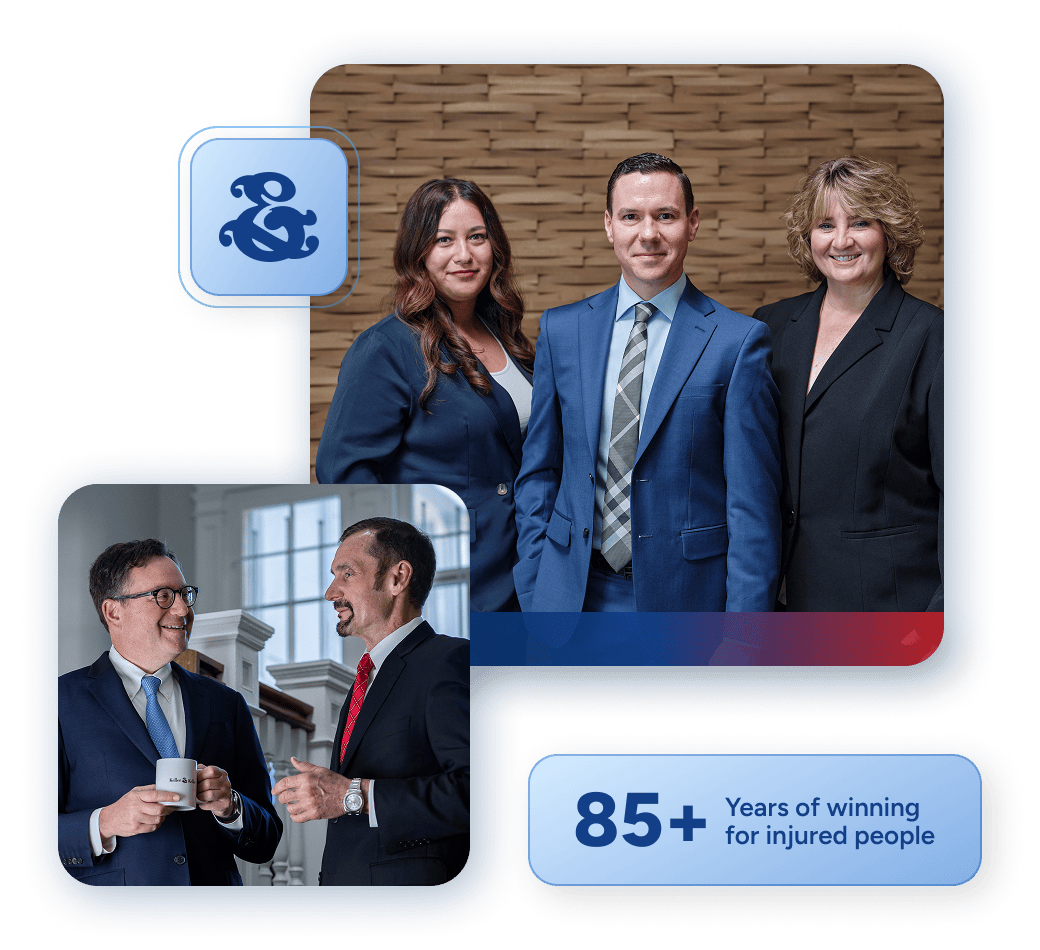

No Fee Until We Win!
Get Started Today“They have a whole team that you talk to instead of just one attorney.”
Mike
You have a paralegal that’s available to you 24-hours a day if you have questions, and they stick with the whole process and inform you every day if something happens…
Take Action Now
Your New Mexico Wrongful Death Claim Starts Here
Free Consultation
We’ll evaluate your case honestly and explain your options in plain English. We’ll come to you, whether you’re at home, in the hospital, or wherever is convenient.
We Fight
Our experienced team fights to investigate thoroughly, deal with insurance companies, and handle all the legal complexities while you focus on getting better.
You Recover
Focus on healing while we handle the rest. We’ll fight for you like we’d fight for our own family, because that’s exactly how we see you.
Zero Fee Guarantee
We believe everyone deserves quality legal representation, regardless of their financial situation. That’s why we work on a contingency basis. You pay absolutely nothing unless and until we win your case. No upfront costs, no hidden fees, no financial risk to you.
* Clients may owe court costs if they lose

The Keller Tradition:
Bringing Nearly a Century of Excellence to New Mexico
Frequently Asked Questions
Have Questions? We’re here to help.
Injured and not sure what to do next?
We’ll help guide you through everything you need to know
Albuquerque, NM Office
6301 Indian School Rd NE #920 Albuquerque, NM 87110
(505) 938-2300