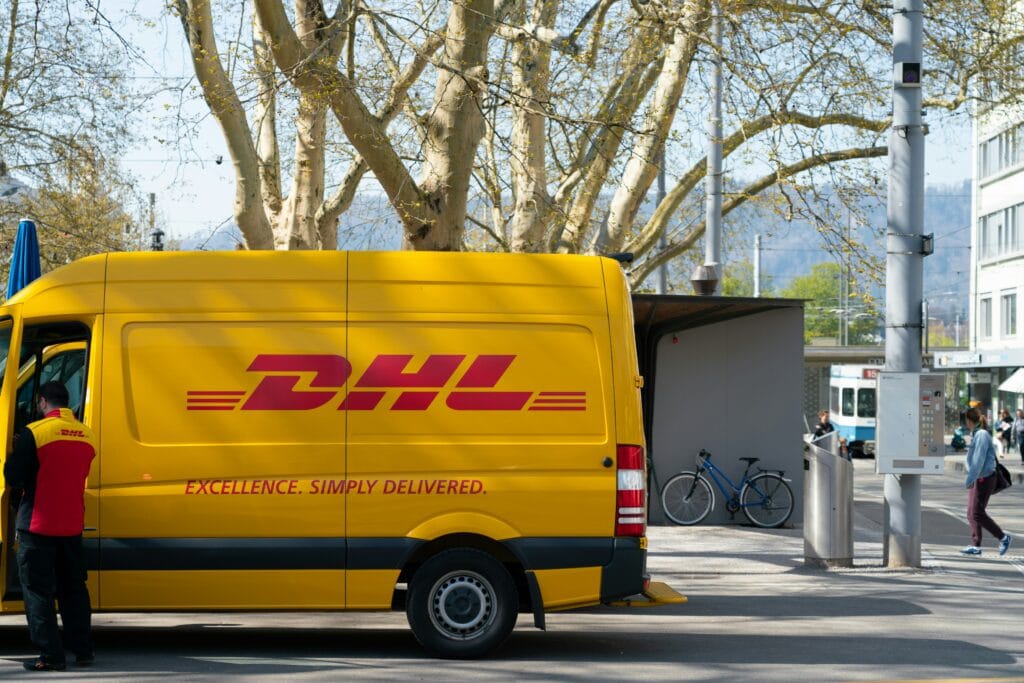
During holiday shopping season, delivery vans stop on residential streets across Indianapolis, pull out of apartment drives and make tight turns in shopping center lots. If one hits your car, you may leave the scene with a driver’s name and an insurance card. You may still have a more important question. Who sent the driver there, and whose insurance applies?
After an Indiana delivery van crash, the company on the side of the van, the company that dispatched the driver and the company that insured the vehicle may be different businesses. Finding out what the driver was doing when the crash happened can help sort out who may be responsible.
When can a delivery company be liable?
Under Indiana law, an employer can be responsible for negligence by an employee acting within the scope of employment. In Cox v. Evansville Police Department, the Indiana Supreme Court explained that work assigned by the employer and conduct connected to that work can fall within the scope of employment.
Say a driver turns across traffic to reach the next apartment building on an assigned route and hits an oncoming car. If the driver was negligent, the active delivery assignment can help establish the connection to the employer. If the same driver was using the van for a personal errand after the route ended, the circumstances could point to a different answer.
Some companies use local delivery contractors or drivers who use their own cars. A logo, uniform or delivery app can help identify the people and businesses to investigate. The driver’s relationship with those businesses, who directed the route and what the driver was doing at the time all deserve a closer look.
What records can show the driver was on a delivery?
The police report can identify the people and vehicles involved. Delivery records can help establish what happened in the minutes before impact. Depending on the vehicle and company, records worth preserving may include:
- Route assignments and package scan times that show which stops the driver completed and where the next stop was.
- Dispatch messages and GPS or fleet data that may show the assigned route and the van’s location around the time of the crash.
- Vehicle registration, fleet numbers and insurance records that can identify the van’s owner and applicable coverage.
- Dashcam, doorbell or business footage that may show the van pulling away from the curb, making a turn or backing into traffic.
Those records can be held by different companies, and some video or electronic records may be overwritten. An attorney can help identify who has them and send preservation requests while the evidence is still available. Read more about protecting evidence after an Indiana truck crash.
What should you document at the scene?
If it’s safe, photograph the license plate, the side and rear of the van, and any company name, fleet number or other identifying marks. Write down the time, exact location and direction each vehicle was traveling. If a witness saw the van pull out or turn, ask for a name and number. Note where nearby cameras are mounted so you can identify them later.
Get medical attention for your injuries and save the records from each visit. Keep the crash report number, insurance correspondence, repair estimates and any documentation of missed work. Together, these records help establish what happened and how the crash affected you.
What if the driver was delivering in a personal car?
A delivery driver can be working at the time of a crash even when the car has no company markings. An active order, a dispatch message or a delivery confirmation can help establish what the driver was doing. Coverage depends on the policy terms, the driver’s relationship with the business and the facts of the trip. Write down any information the driver shares about the delivery and keep the details with your crash records.
Talk to an Indiana delivery van crash lawyer
If a delivery van hit you in Indianapolis or elsewhere in Indiana, Keller & Keller can review what happened, help identify the businesses involved and explain what insurance may apply. Request a free case evaluation.