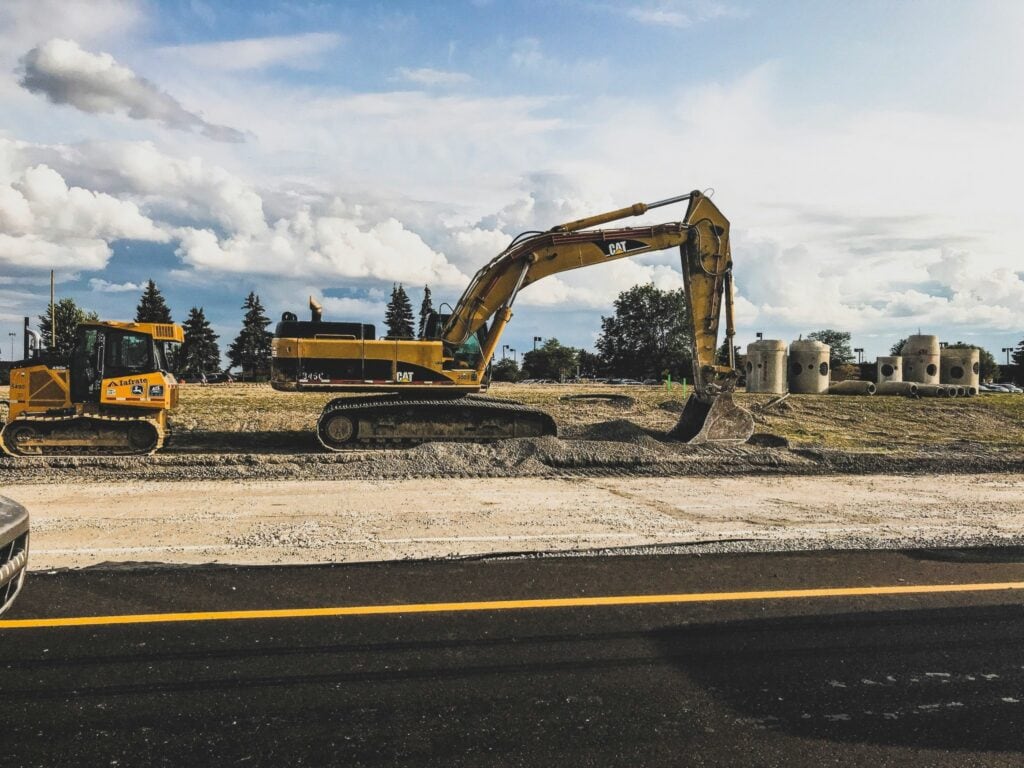
Indiana work zone crashes can happen before a driver reaches the workers, equipment, or lane closure. The hazard may be the last vehicle in a line of stopped traffic.
INDOT’s current Interstate Highways Congestion Policy, effective September 25, 2026, addresses that problem. The agency describes preventing or reducing work-zone traffic queues as a way to reduce conditions that contribute to serious crashes at the back of a backup. Read INDOT’s policy overview.
For someone injured while waiting in interstate traffic, the policy highlights an important question: what was happening behind the backup, not just inside the construction area?
Why Indiana Work Zone Crashes Can Happen Farther Back
A lane restriction can cause vehicles to slow or stop upstream from the work itself. As more vehicles arrive, the end of that line can move farther from the original restriction.
That creates a changing situation. A driver approaching at highway speed may encounter stopped vehicles before reaching the lane closure.
Consider a hypothetical collision: traffic stops around a bend ahead of construction. A driver reaches the backup and strikes the last vehicle in line. Understanding that crash may require examining the approach, visibility, warnings, and the driver’s actions.
The location of the construction equipment is only one part of the scene.
What INDOT’s Current Policy Addresses
INDOT says planned interstate restrictions must be evaluated for their safety, mobility, and operational effects.
Its overview also describes responding when work-zone queues form. Depending on the circumstances, personnel must use active measures to protect the back of the queue or safely remove the restriction to help stop its growth and clear the backup.
Those requirements do not establish who is legally responsible for every collision. Their application and significance need to be evaluated against the facts of a particular incident.
What Evidence Can Explain a Backup Collision?
An investigation may consider:
- Where the queue ended when the crash happened.
- The location and visibility of advance warnings.
- Whether the approaching roadway curved or crossed a hill.
- Available video and vehicle data.
- Witness observations about stopped or slowing traffic.
- Relevant traffic-control plans and project records.
A photograph taken hours later may show a different traffic pattern. Recording the approximate time and exact location can therefore be especially useful.
Keller & Keller’s article on Indiana construction zone car accidents provides background on driver behavior and temporary traffic controls in work areas.
What Should You Do After Being Hit in Stopped Traffic?
Prioritize safety and medical care. Follow emergency responders’ instructions, and do not walk through active lanes to photograph signs or measure the backup.
When you can, save the crash-report number, witness contacts, and original photographs or dashcam files already available.
Write down whether you were stopped, slowing, or moving when the impact occurred. Note what you remember seeing before reaching the queue. Avoid guessing about conditions you could not observe.
Keller & Keller’s guide to what to do after a car accident in Indiana explains additional steps involving treatment and documentation.
A Traffic Backup Deserves a Complete Investigation
Indiana work zone crashes may involve questions about driving behavior, changing traffic conditions, and the way a restriction was managed. None should be resolved by assumptions alone.
If you were injured in a collision near interstate construction, contact Keller & Keller’s Indiana team for a free case evaluation.