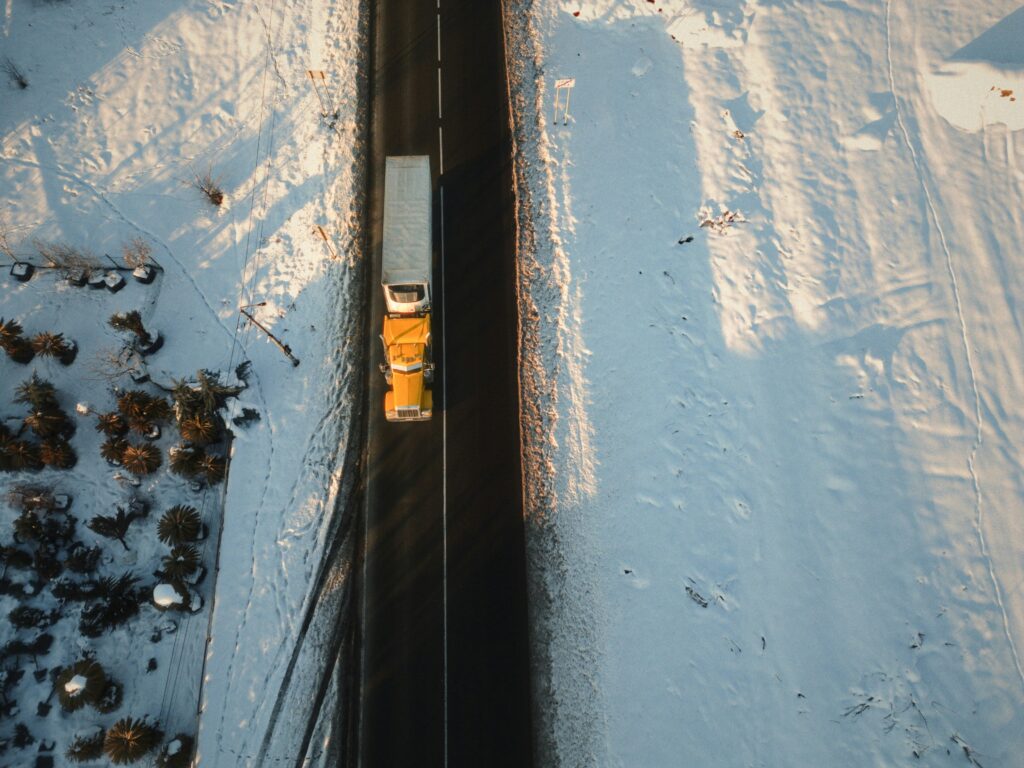
Indiana winter driving season has officially started. Gov. Mike Braun declared November 8 to 14 Winter Weather Preparedness Week. Then, on Friday morning, parts of northern Indiana woke up to the first lake effect snow of the year. Before the first big storm reaches Indianapolis, state leaders want every Hoosier to get ready.
At Keller & Keller Injury Lawyers, we’ve helped injured Hoosiers since 1936. We know the first snowy days of the year often bring a wave of crashes, because drivers haven’t adjusted yet. So here’s what state agencies are saying about Indiana winter driving. We’ll also cover how to share the road with plows and what to do if a careless driver leaves you hurt.
What State Leaders Said This Week
On Thursday, Gov. Braun held a press conference with INDOT, Indiana State Police, and the Indiana Department of Homeland Security. He urged drivers to “leave room for snow plows and emergency crews to work.” He also asked everyone to keep an emergency kit in the car.
INDOT Commissioner Lyndsay Quist said the state has more than 1,000 plow trucks ready. It also has nearly 200,000 tons of salt on hand. In addition, crews pre-treat roads with salt brine when conditions allow. Still, snow, ice, and freezing rain can make roads slick even after they’ve been treated. State Police Superintendent Anthony Scott put it simply: “no destination is worth risking your safety.”
Up north, crews are already busy. INDOT’s Northwest District has more than 300 plow drivers. Meanwhile, the Indiana Toll Road is about halfway through replacing its entire snow fleet, WNDU reported.
Why the First Snow Makes Indiana Winter Driving Risky
Bad weather causes a lot of crashes across the country. From 2019 to 2023, there were about 219,942 crashes a year during snow, sleet, and freezing rain. That’s according to the Federal Highway Administration. Those crashes injured more than 34,000 people each year.
The first storms of the season are often the hardest part of Indiana winter driving. Many drivers still have summer habits, so they follow too closely and brake too late. Also, black ice can form on bridges and overpasses before other roads freeze. Four-wheel drive helps you get moving, but it doesn’t help you stop any faster, as INDOT reminds drivers.
How to Share the Road With Snowplows
INDOT plows cover more than 29,000 lane miles. During a storm, a plow passes each route about every two to three hours. Plows are big, slow, and hard to see around, so give them plenty of room.
- Stay well back from a plow, since salt and snow can fly off the back
- Never pass a plow on the right side, where the blade and spray are
- Don’t drive beside a plow, because the driver’s view is limited
- If you must pass, do it carefully and only when you can see the road ahead
- Remember that plows may travel faster with their blades raised while heading back to reload salt
Indiana Winter Driving Tips From INDOT and State Police
- Slow down and adjust to the road, especially on snow-covered pavement
- Check 511in.org for road conditions before you leave, and allow extra time
- Leave extra space between you and the car ahead
- Clear snow and ice from your windows, lights, and turn signals
- Keep your gas tank full and check your battery, fluids, and spare tire
- Pack an emergency kit with blankets, water, snacks, and a phone charger
Is a Snow or Ice Crash Anyone’s Fault?
Bad weather doesn’t automatically excuse a crash. Indiana drivers are expected to adjust their speed and following distance to the road conditions. For example, say a driver rear-ends you on a snowy highway because they were going too fast. That driver may still be responsible for your injuries.
However, insurance companies often blame the weather, or they try to put part of the blame on you. That matters, because Indiana’s fault rules can lower what you recover. If you’re found more than half at fault, they can block it entirely. Large trucks add another layer. When a semi slides into traffic, a truck’s black box can show its speed and when the driver braked.
Winter injuries happen off the road, too. Say a business fails to clear its icy sidewalk or parking lot, and you fall. In that case, you may have a slip-and-fall claim against the property owner.
What to Do After a Winter Crash
First, get to safety and call 911, and get medical care even if you feel fine. Next, take photos of the road, the vehicles, and any snow or ice. Get the other driver’s information, the names of witnesses, and the police report number. Our guide on what to save before repairs begin explains which evidence matters most.
Also keep the clock in mind. In Indiana, you generally have two years from the date of the crash to file a personal injury lawsuit. Before you give a recorded statement to an insurance company, talk to a lawyer.
How Keller & Keller Injury Lawyers Can Help
Keller & Keller handles car accidents, semi truck crashes, and slip and fall injuries across Indiana. Your first consultation is free, and we can meet at your home, at the hospital, or virtually. With our Zero Fee Guarantee, you don’t pay attorney fees unless we win. Your focus should be on recovery, not on fighting with an insurance company over a winter crash.
If you were hurt this winter, call Keller & Keller Injury Lawyers at (317) 926-1111 or 1-800-253-5537. Until spring, take Indiana winter driving one trip at a time. Slow down, give plows room, and get home safe.
This post is for general information only and isn’t legal advice. Winter preparedness details come from Gov. Braun’s November 12, 2026 press conference as reported by WBIW, along with WNDU, WIBC, and INDOT. Crash figures come from the Federal Highway Administration.