After a serious semi‑truck or commercial vehicle crash in Indiana, the story told at the scene doesn’t always match what really happened. Drivers, trucking companies, and insurers may offer conflicting versions, and the person who was badly hurt or killed may not be able to speak for themselves. In those moments, objective evidence becomes critical.
One of the most powerful sources of that evidence is a truck’s “black box”, more accurately, the electronic systems that record and store Event Data Recorder (EDR), engine control module (ECM), and electronic logging device (ELD) information. Many trucks on Indiana highways carry these systems, and the data they preserve can be the key to proving what really happened.
What is a truck’s black box?
In aviation, a “black box” is known for recording flight data and cockpit audio. Modern trucks and commercial vehicles have their own version of that technology. Their onboard electronic systems capture safety‑related technical information for a short period before, during, and sometimes after a crash.
Depending on the truck’s make, model, year, and installed equipment, relevant data might be stored in:
- An Event Data Recorder (EDR)
- The engine control module (ECM)
- Braking system modules
- Electronic logging devices (ELDs) and telematics systems
These modules don’t record conversations or opinions. They capture hard numbers about how the vehicle was being operated.
What data can these systems record?
The exact data set varies, but in many truck and commercial vehicle cases, black box‑style systems can record things like:
- Vehicle speed in the seconds leading up to impact
- Whether and when the driver applied the brakes
- Engine RPM and throttle position
- Acceleration and deceleration patterns
- Steering inputs and steering wheel angle
- Seat belt status for certain occupants
- Cruise control status and safety system activity
- GPS location, date, and time stamps
Taken together, these details create a timeline of how the truck was being driven at critical moments. That timeline can show, for example, whether the truck was speeding, following too closely, failing to brake, or making no evasive maneuvers before impact.
Why black box data matters in Indiana truck cases
On Indiana interstates and state highways, heavy truck traffic is a daily reality. When a semi or commercial vehicle causes a serious crash, liability is often contested. The driver may insist they had the light, were going the speed limit, or braked as soon as danger appeared. The injured person may remember something very different, or may not be able to remember the crash at all.
Black box data helps move the case beyond “he said, she said.” When EDR, ECM, and ELD records are combined with photos, video, and witness statements, they can:
- Confirm or challenge the truck driver’s version of events
- Show whether the truck was speeding or driving too fast for conditions
- Demonstrate late or missing braking before impact
- Reveal if cruise control or other systems were engaged at the wrong time
- Tie driver hours‑of‑service data to potential fatigue or rule violations
For someone hurt in a truck crash, this kind of technical evidence can strongly support their account and push back against unfair attempts to shift blame.
Real‑world examples of electronic data making the difference
In past cases, Keller & Keller has seen how electronic vehicle data can transform a truck claim:
- In one case, electronic fire‑truck systems and video evidence showed that a heavy vehicle entered an intersection against a long‑red light at high speed, despite initial claims that the other driver ran the light. Without that data, the truth would have been much harder to prove.
- In another case involving a school bus, telemetry records showed the driver didn’t activate and sequence required safety systems, supporting the allegation that policy violations contributed to a child’s death and helping the family obtain accountability in court.
These examples illustrate how electronic records, whether from trucks, buses, or other heavy vehicles, can uncover what really happened when the human story is incomplete.
Timing is critical: preserving truck black box data
Truck black box and ECM data are fragile in one important sense: they can be lost if not preserved properly. Trucks are often repaired, returned to service, sold, or scrapped after a crash. Each ignition cycle or system reset can risk overwriting crucial data. Waiting too long can mean the most important electronic evidence simply disappears.
To protect this evidence, it’s important to:
- Send preservation and spoliation letters quickly to the trucking company and insurer
- Secure the truck, trailer, and all relevant modules for inspection
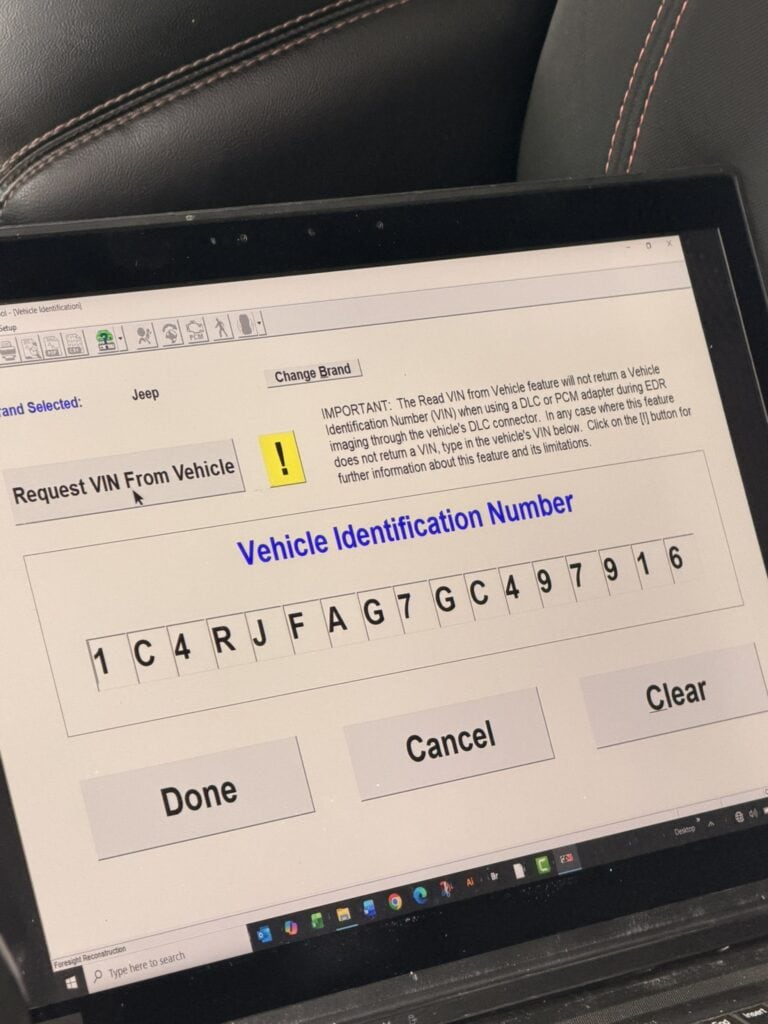
- Engage qualified experts early to identify, image, and download data using proper tools and protocols
When a company knows a serious crash has occurred and litigation is reasonably foreseeable, it has a duty to preserve key evidence. If electronic data is lost after that point, courts can consider sanctions or allow juries to infer that missing evidence would have been unfavorable to the party who controlled it.
Downloading and interpreting black box data
Accessing truck black box data is not as simple as plugging in a USB drive. Different manufacturers use different hardware and software, and improper attempts can risk losing data or producing incomplete downloads.
Accident reconstruction experts typically rely on specialized tools such as:
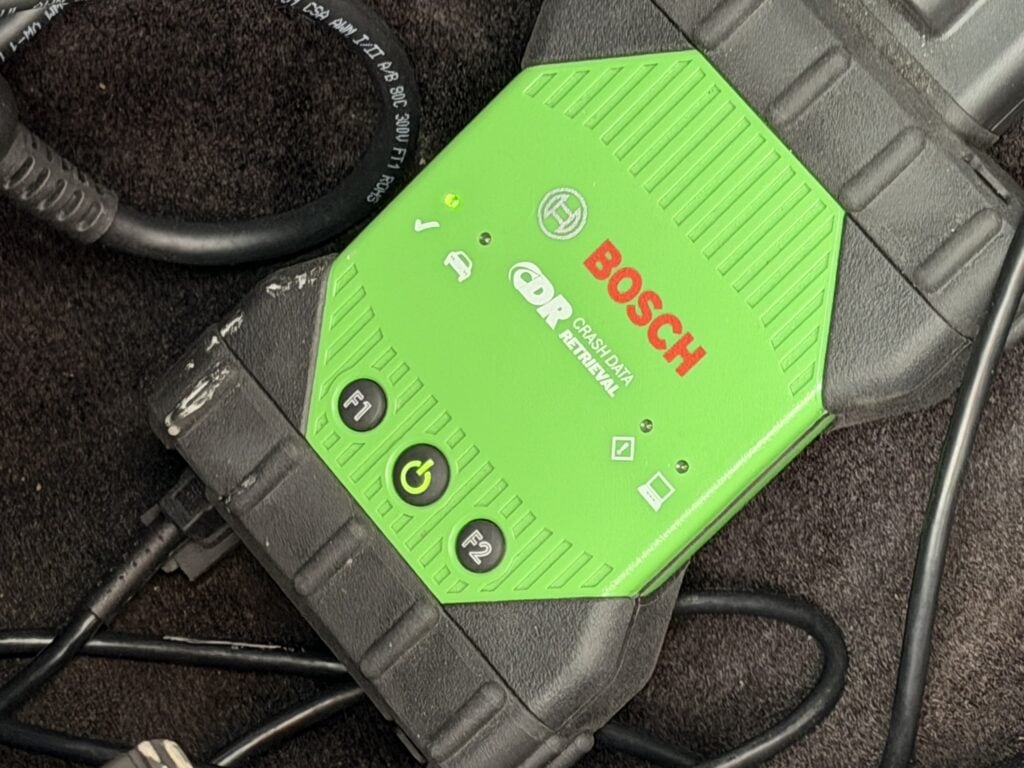
- Commercial EDR download systems (like Bosch Crash Data Retrieval for certain vehicles)
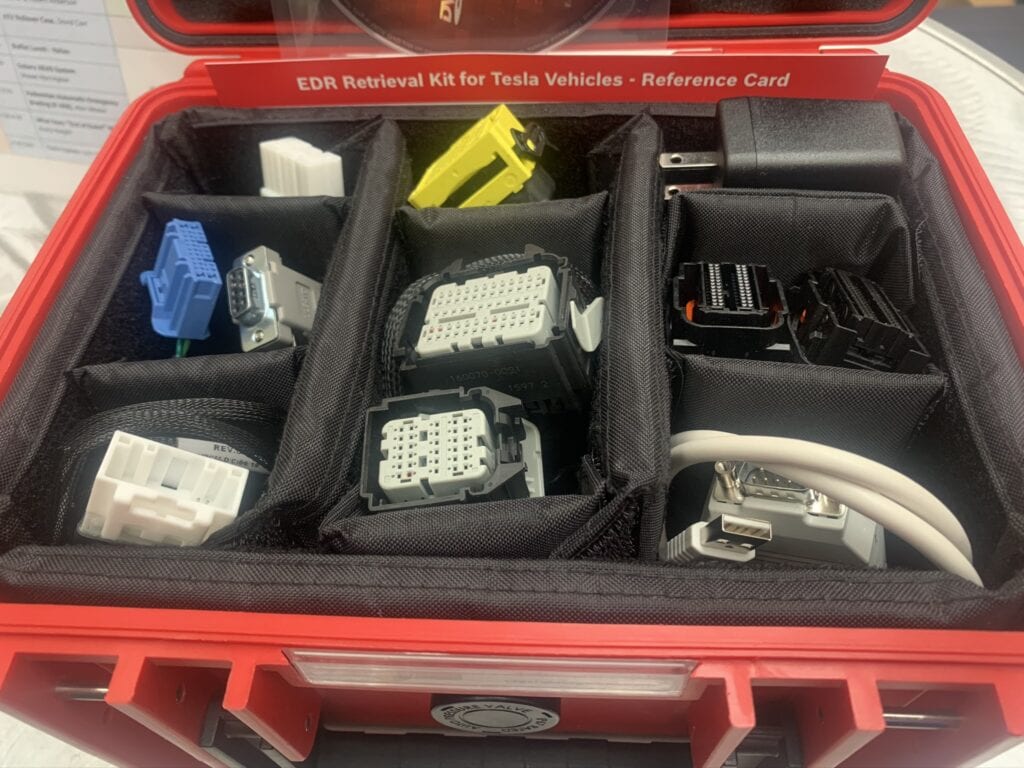
- Manufacturer‑specific cables, adapters, and software
- Brand‑specific telematics and ELD platforms
Those experts don’t just retrieve the data. They interpret it. They translate speed traces, brake flags, and steering inputs into plain language that judges and juries can understand, and they explain how the data fits with physical evidence at the scene.
How black box data fits into a full investigation
Black box data is powerful, but it’s only one piece of a thorough truck crash investigation. The strongest cases combine:
- EDR/ECM/ELD data from all relevant systems
- Scene photographs, measurements, and physical inspections
- Crash‑site diagrams and engineering analysis
- Surveillance footage and onboard camera video, when available
- Witness statements and law enforcement reports
- Expert reconstruction testimony
When these layers of evidence all point in the same direction, the result can be a compelling, fact‑based narrative that stands up to scrutiny from insurance companies and defense lawyers.
Keller & Keller’s experience with truck and commercial vehicle cases
Keller & Keller has been standing up for injured Hoosiers for decades, with a dedicated team based in Indianapolis and offices serving clients throughout Indiana. Our attorneys handle semi‑truck and commercial vehicle cases every day and have secured record‑setting results in trucking litigation.2keller+2
In high‑stakes truck claims, we:
- Move quickly to preserve all electronic and physical evidence
- Work with seasoned, black box‑trained reconstruction experts
- Build cases with the expectation they may be challenged by sophisticated defense teams
- Use objective data to strengthen our clients’ stories and fight for full and fair recovery
Past settlements and verdicts cannot guarantee future outcomes, but they reflect our ability to manage complex, expert‑heavy trucking cases where electronic data plays a central role.
What to do after an Indiana truck crash
If you or a loved one were seriously hurt in a truck or commercial vehicle accident anywhere in Indiana, it’s important to act quickly, before critical black box data is lost. From our Indianapolis office on North Meridian Street and additional Indiana locations, Keller & Keller’s team is ready to:
- Review your case in a free consultation
- Explain whether truck black box, ECM, or ELD data may help prove what happened
- Take immediate steps to preserve evidence and hold the right parties accountable
You don’t have to figure out the technical side of a truck crash on your own. Contact Keller & Keller today or visit our Indiana truck accident page to learn how our team can use black box data and other evidence to fight for you.
What a Truck’s Black Box Can Reveal After an Indiana Accident
After a serious semi‑truck or commercial vehicle crash in Indiana, the story told at the scene doesn’t always match what really happened. Drivers, trucking companies, and insurers may offer conflicting versions, and the person who was badly hurt or killed may not be able to speak for themselves. In those moments, objective evidence becomes critical.
One of the most powerful sources of that evidence is a truck’s “black box”, more accurately, the electronic systems that record and store Event Data Recorder (EDR), engine control module (ECM), and electronic logging device (ELD) information. Many trucks on Indiana highways carry these systems, and the data they preserve can be the key to proving what really happened.
What is a truck’s black box?
In aviation, a “black box” is known for recording flight data and cockpit audio. Modern trucks and commercial vehicles have their own version of that technology. Their onboard electronic systems capture safety‑related technical information for a short period before, during, and sometimes after a crash.
Depending on the truck’s make, model, year, and installed equipment, relevant data might be stored in:
- An Event Data Recorder (EDR)
- The engine control module (ECM)
- Braking system modules
- Electronic logging devices (ELDs) and telematics systems
These modules don’t record conversations or opinions. They capture hard numbers about how the vehicle was being operated.
What data can these systems record?
The exact data set varies, but in many truck and commercial vehicle cases, black box‑style systems can record things like:
- Vehicle speed in the seconds leading up to impact
- Whether and when the driver applied the brakes
- Engine RPM and throttle position
- Acceleration and deceleration patterns
- Steering inputs and steering wheel angle
- Seat belt status for certain occupants
- Cruise control status and safety system activity
- GPS location, date, and time stamps
Taken together, these details create a timeline of how the truck was being driven at critical moments. That timeline can show, for example, whether the truck was speeding, following too closely, failing to brake, or making no evasive maneuvers before impact.
Why black box data matters in Indiana truck cases
On Indiana interstates and state highways, heavy truck traffic is a daily reality. When a semi or commercial vehicle causes a serious crash, liability is often contested. The driver may insist they had the light, were going the speed limit, or braked as soon as danger appeared. The injured person may remember something very different, or may not be able to remember the crash at all.
Black box data helps move the case beyond “he said, she said.” When EDR, ECM, and ELD records are combined with photos, video, and witness statements, they can:
- Confirm or challenge the truck driver’s version of events
- Show whether the truck was speeding or driving too fast for conditions
- Demonstrate late or missing braking before impact
- Reveal if cruise control or other systems were engaged at the wrong time
- Tie driver hours‑of‑service data to potential fatigue or rule violations
For someone hurt in a truck crash, this kind of technical evidence can strongly support their account and push back against unfair attempts to shift blame.
Real‑world examples of electronic data making the difference
In past cases, Keller & Keller has seen how electronic vehicle data can transform a truck claim:
- In one case, electronic fire‑truck systems and video evidence showed that a heavy vehicle entered an intersection against a long‑red light at high speed, despite initial claims that the other driver ran the light. Without that data, the truth would have been much harder to prove.
- In another case involving a school bus, telemetry records showed the driver didn’t activate and sequence required safety systems, supporting the allegation that policy violations contributed to a child’s death and helping the family obtain accountability in court.
These examples illustrate how electronic records, whether from trucks, buses, or other heavy vehicles, can uncover what really happened when the human story is incomplete.
Timing is critical: preserving truck black box data
Truck black box and ECM data are fragile in one important sense: they can be lost if not preserved properly. Trucks are often repaired, returned to service, sold, or scrapped after a crash. Each ignition cycle or system reset can risk overwriting crucial data. Waiting too long can mean the most important electronic evidence simply disappears.
To protect this evidence, it’s important to:
- Send preservation and spoliation letters quickly to the trucking company and insurer
- Secure the truck, trailer, and all relevant modules for inspection
- Engage qualified experts early to identify, image, and download data using proper tools and protocols
When a company knows a serious crash has occurred and litigation is reasonably foreseeable, it has a duty to preserve key evidence. If electronic data is lost after that point, courts can consider sanctions or allow juries to infer that missing evidence would have been unfavorable to the party who controlled it.
Downloading and interpreting black box data
Accessing truck black box data is not as simple as plugging in a USB drive. Different manufacturers use different hardware and software, and improper attempts can risk losing data or producing incomplete downloads.
Accident reconstruction experts typically rely on specialized tools such as:
- Commercial EDR download systems (like Bosch Crash Data Retrieval for certain vehicles)
- Manufacturer‑specific cables, adapters, and software
- Brand‑specific telematics and ELD platforms
Those experts don’t just retrieve the data. They interpret it. They translate speed traces, brake flags, and steering inputs into plain language that judges and juries can understand, and they explain how the data fits with physical evidence at the scene.
How black box data fits into a full investigation
Black box data is powerful, but it’s only one piece of a thorough truck crash investigation. The strongest cases combine:
- EDR/ECM/ELD data from all relevant systems
- Scene photographs, measurements, and physical inspections
- Crash‑site diagrams and engineering analysis
- Surveillance footage and onboard camera video, when available
- Witness statements and law enforcement reports
- Expert reconstruction testimony
When these layers of evidence all point in the same direction, the result can be a compelling, fact‑based narrative that stands up to scrutiny from insurance companies and defense lawyers.
Keller & Keller’s experience with truck and commercial vehicle cases
Keller & Keller has been standing up for injured Hoosiers for decades, with a dedicated team based in Indianapolis and offices serving clients throughout Indiana. Our attorneys handle semi‑truck and commercial vehicle cases every day and have secured record‑setting results in trucking litigation.
In high‑stakes truck claims, we:
- Move quickly to preserve all electronic and physical evidence
- Work with seasoned, black box‑trained reconstruction experts
- Build cases with the expectation they may be challenged by sophisticated defense teams
- Use objective data to strengthen our clients’ stories and fight for full and fair recovery
Past settlements and verdicts cannot guarantee future outcomes, but they reflect our ability to manage complex, expert‑heavy trucking cases where electronic data plays a central role.ontoplist
What to do after an Indiana truck crash
If you or a loved one were seriously hurt in a truck or commercial vehicle accident anywhere in Indiana, it’s important to act quickly, before critical black box data is lost. From our Indianapolis office on North Meridian Street and additional Indiana locations, Keller & Keller’s team is ready to:
- Review your case in a free consultation
- Explain whether truck black box, ECM, or ELD data may help prove what happened
- Take immediate steps to preserve evidence and hold the right parties accountable
You don’t have to figure out the technical side of a truck crash on your own. Contact Keller & Keller today or visit our Indiana truck accident page to learn how our team can use black box data and other evidence to fight for you.