

Michigan Wrongful Death Lawyer
Keller & Keller Injury Lawyers’ Winning Approach
Free Case EvaluationLost a Loved One to Someone’s Negligence?
Get started with a free case evaluation. No Fee Until We Win.
100% Free Evaluation
Provide a few details and our team will handle the rest.
"*" indicates required fields

“As a busy mom of three, I’m so grateful I didn’t have to face the legal battle alone. Thank you, Keller & Keller Injury Lawyers.”
Kelly
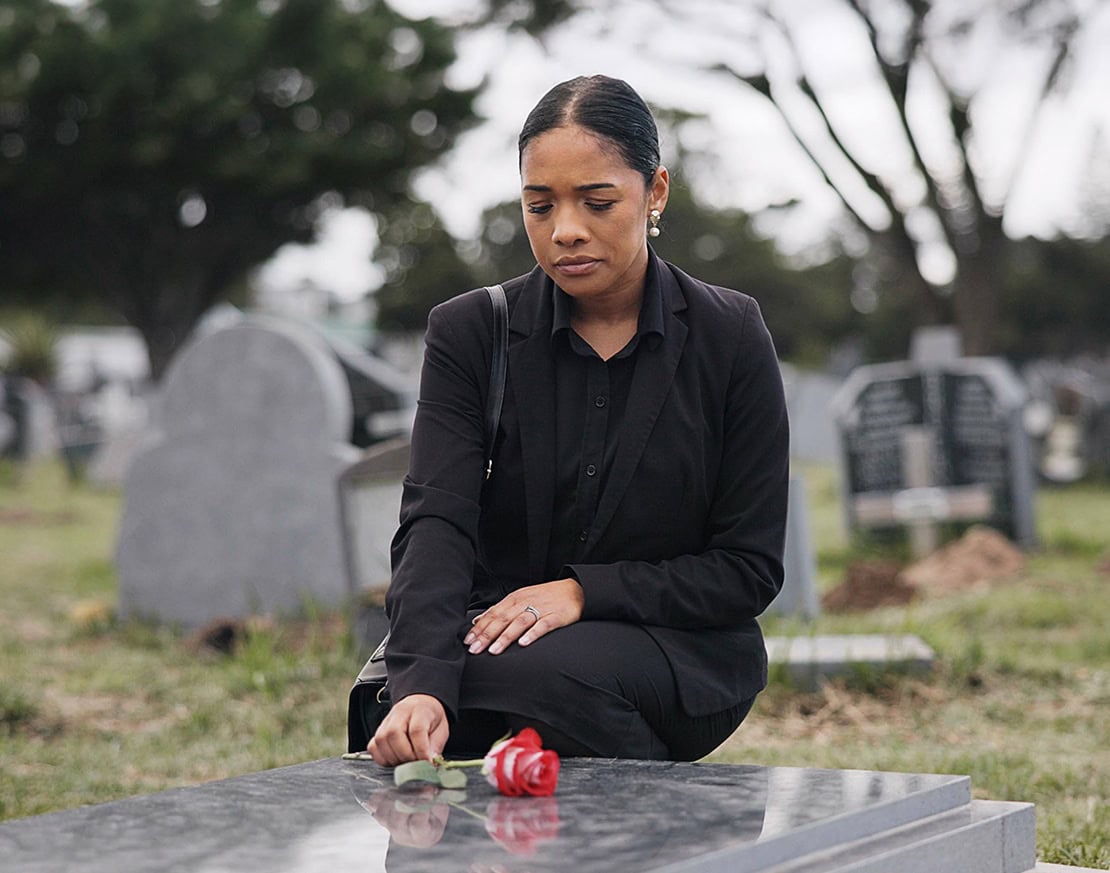

When you’ve lost someone you love due to another person’s negligence, you need more than just legal representation. You need a battle-tested sword and shield fighting for your family’s rights.
At Keller & Keller, we’ve been standing with Michigan families in their darkest hours since 1936, maximizing settlements and delivering justice when it matters most. With over 90 years of experience taking on insurance companies and negligent parties, we’ve recovered millions of dollars for grieving families across Michigan.
We understand that no amount of money can bring back your loved one, but we also know that families shouldn’t have to worry about their financial future while they’re trying to heal. We’re a family-run firm, and we treat you like family because we understand that behind every wrongful death case is a real family going through unimaginable pain. We reach out and make sure our clients feel like they can have a cup of coffee with us, clearly communicating every step of the process without legal jargon that adds to your stress.
Why You Need a Michigan Wrongful Death Lawyer After Your Loss
The aftermath of losing a loved one due to someone else’s negligence brings overwhelming grief alongside complex legal challenges. Insurance companies and responsible parties often try to minimize their liability while your family is struggling to cope with the emotional trauma of your loss.

Navigating Complex Legal Claims

Understanding Insurance Company Tactics

Understanding Statute of Limitations
Navigating Complex
Legal Claims
Michigan wrongful death laws are complicated, with specific requirements about who can file a claim, what damages can be recovered, and strict deadlines that must be met. The Michigan Wrongful Death Act allows certain family members to seek compensation, but understanding your rights and the full scope of damages available requires experienced legal guidance. Without proper representation, families often settle for far less than what they deserve or miss critical deadlines that eliminate their right to compensation entirely

Understanding Insurance Company Tactics
Insurance companies view wrongful death claims as major financial threats to their bottom line. They’ll often pressure grieving families to accept quick, lowball settlements before the full impact of the loss is understood. Their adjusters are trained to minimize payouts, and they know that families in grief are vulnerable and may not understand the true value of their claim. They’ll dispute liability, question damages, and use every tactic possible to reduce what they pay.

Understanding Statute of Limitations
In Michigan, you generally have three years from the date of death to file a wrongful death lawsuit. However, there are exceptions that can shorten this timeframe, particularly when government entities are involved. Missing these deadlines means forfeiting your right to compensation permanently, no matter how strong your case is. Early legal action also helps preserve crucial evidence and witness testimony that can disappear over time.

What to Do After a Wrongful Death in Michigan
The actions you take immediately after losing a loved one can significantly impact your family’s ability to seek justice and fair compensation.
See What Your Case Is WorthKeep all medical records, accident reports, and documentation related to the incident
Ensure proper authorities have been notified and official reports filed
Save all correspondence, bills, and expenses related to the death
Don’t provide recorded statements to insurance companies without legal representation
Track all expenses, lost income, and impacts on your family’s financial situation
Take care of your family’s emotional needs while legal matters are handled
The sooner we start working, the better we can protect your family’s interests
Let us evaluate any offers before you make decisions you can’t undo

The Keller & Keller Injury Lawyers Approach:
Michigan Lawyers Who Fight to Win
From the moment you contact us, you’ll notice the difference in our approach. Our client-first philosophy means we take the time to understand not just the details of your accident but how it has affected your life, your work, your family, and your future in Michigan. We clearly communicate every step of the process in plain language you can understand, no confusing legal jargon. This approach has earned us countless 5-star reviews from real Michigan clients who’ve experienced the Keller & Keller difference firsthand.
We understand that being injured in an accident is stressful enough without having to chase down your lawyer for updates. That’s why we’ve built our practice around transparent, consistent communication.
When you hire us, you’ll have direct access to the Michigan-based attorney handling your case as well as a dedicated paralegal who monitors its daily status. We keep you informed throughout every stage of your claim, explaining what’s happening, what to expect next, and how it affects your case.
Our 90+ years of experience isn’t just about longevity. It’s about results. Our attorneys have successfully handled thousands of cases in Michigan and recovered thousands of millions of dollars for our clients. We’ve gone toe-to-toe with the biggest insurance companies and won. Our courtroom experience means we’re always prepared to take your case to trial if that’s what it takes to secure fair compensation. This willingness to fight, and our track record of success, often motivates insurance companies to offer better settlements to avoid facing us in court.
The Michigan Wrongful Death Claim Process with Keller & Keller Injury Lawyers
When you hire us, we immediately begin working to protect your family’s rights and build the strongest possible case for maximum compensation.
Michigan No-Fault Insurance System Explained
Michigan’s No-Fault auto insurance system, established in 1973, underwent dramatic reform in 2019 through Public Acts 21 and 22. Before this reform, Michigan was the only state requiring unlimited lifetime medical coverage for auto accident injuries, a primary factor behind the state’s historically high insurance premiums.

Types of Wrongful Death Cases We Handle
Our extensive experience covers all types of wrongful death cases throughout Michigan, each requiring specialized knowledge and investigation.
A car accident fatality is a death caused by a crash on the road, including drunk driving accidents, distracted driving crashes, and intersection collisions that claim lives. Because Michigan is a no-fault state, these cases usually run on two tracks. Some money comes through auto insurance regardless of who caused the crash, while a separate wrongful death claim may reach the at-fault driver.
What No-Fault Pays a Family Before Anyone Proves Fault
Personal protection insurance (PIP) generally pays survivor’s loss to the dependents of the person who died (MCL 500.3108). It covers lost contributions of tangible things of economic value, plus up to $20 a day for replacement services. These payments last no more than 3 years after the accident and are subject to a 30-day maximum that changes each year.
Survivor’s loss goes to dependents, not the estate, and it’s separate from any wrongful death claim. Funeral and burial costs are generally handled as a PIP expense, up to the amount the policy sets. Our Michigan no-fault law page explains how these benefits work.
How a Lawsuit Fits Alongside PIP Benefits
Michigan generally abolishes tort liability for crashes involving an insured vehicle, then lists exceptions (MCL 500.3135). Death is one of the injuries that opens the door to noneconomic damages, so the “serious impairment” dispute found in many injury cases doesn’t arise for the death itself. Other no-fault limits still apply.
The personal representative of the estate brings the claim, not family members in their own names. It may seek loss of society and companionship, and it may also reach survivor’s loss above the no-fault daily, monthly and 3-year limits. Damages are generally assessed on comparative fault, so the record of who did what matters here as well.
What Drunk, Distracted and Intersection Crashes Each Add
- Drunk driving. A criminal case doesn’t displace the family’s civil claim. A driver convicted of drunk driving can be held jointly and severally liable, meaning they can owe more than their own share of fault (MCL 600.6312), but an arrest without a conviction doesn’t fit that rule.
- Alcohol served by a bar or store. The dram shop statute may allow a claim against a retail licensee that unlawfully served a minor or a visibly intoxicated person, if the sale was a proximate cause of the death (MCL 436.1801). It generally requires evidence of actual visible intoxication, written notice within 120 days after hiring a lawyer for the claim, and suit within 2 years.
- Distracted driving. Michigan generally bars holding or using a mobile device while driving, even when stopped at a light (MCL 257.602b). Phone records may help show what the driver was doing in the seconds before impact, and a violation may support a negligence argument, depending on the facts.
- Intersection collisions. A driver leaving a stop sign must yield to traffic close enough to be an immediate hazard (MCL 257.649), and a left-turning driver owes a similar duty to oncoming vehicles (MCL 257.650). The difficulty is that one of the two people who saw the light or sign can no longer describe it.
That gap is why physical evidence carries so much weight in a fatal crash. Our post on how black box data can help prove a Michigan wrongful death claim covers one source, and signal timing and nearby video can add to it. For injury claims from these crashes, see our Michigan car accident page.
A truck accident death is a fatal crash involving a commercial vehicle, such as a semi on I-94 or US-131. These collisions often result in catastrophic injuries and wrongful death because of the size and weight of a loaded truck. For a claim against an insured trucking defendant, the no-fault threshold and related limits generally work as they do in a car crash. What differs is how many parties may be involved and how much of the proof sits in company files.
Sorting Out the Driver, the Carrier and the Owner
An employer is generally liable for what its driver does within the scope of the job, and Michigan’s fair share rules don’t abolish that vicarious liability (MCL 600.2956). A vehicle owner may also be liable when the truck was driven with consent. A claim for negligent hiring is different, because it targets the company’s own conduct and requires knowledge that made the driver’s conduct predictable.
Otherwise, liability in these cases is generally several only (MCL 600.6304). A defendant generally pays its own percentage of fault, and the fault of someone who isn’t in the case can be counted. For a family, that can leave part of the loss unpaid if a responsible party was never named.
Coverage is a separate question. For-hire interstate carriers of nonhazardous property using trucks of 10,001 pounds or more face a federal minimum of $750,000 in public liability (49 CFR 387.9). That is a floor for one category of carrier, not a statement of what any company holds or what a case is worth.
A settlement with any of these parties generally needs court approval. The court then generally distributes the proceeds after a hearing, based on the relative damages of each person and the estate, and no fixed family formula applies.
Company Records That Test the Trucker’s Account
The surviving witness to a fatal truck crash is often the trucker, so the paper trail can be the main check on that account. Michigan adopts most of the federal motor carrier rules (MCL 480.11a), and those rules create records that may matter:
- Duty-status logs. Electronic logging device (ELD) records and supporting documents, which carriers generally need to keep for only 6 months.
- Inspection and maintenance files. Carriers generally keep these for 1 year, and for 6 months after the vehicle leaves their control.
- Driver qualification files. These are kept during employment and for 3 years after, though some items can be removed sooner.
- Post-crash testing. After a qualifying fatal crash, the employer must test a surviving driver for alcohol and controlled substances, on short time limits.
A party in litigation has a duty to preserve evidence it knows or reasonably should know is relevant. A preservation demand guarantees nothing, but an early request may reduce the chance that records disappear. Our Michigan semi truck accident page covers the safety rules in detail, and our post on truck traffic in southwest Michigan describes the routes involved.
If Your Family Member Survived for a Time After the Crash
Catastrophic injuries don’t always cause immediate death. Michigan allows compensation for conscious pain and suffering between injury and death, and that money goes to the estate rather than to individual family members. Ambulance and hospital records may show whether the person was aware, so they can matter even when the time was short.
If the person had already filed an injury suit, it may be amended under the Wrongful Death Act, and failing to do so waives additional damages from the death.
A motorcycle accident fatality is the death of a rider or passenger, often caused by drivers failing to see motorcyclists or driving negligently around motorcycles. Michigan’s no-fault act doesn’t treat a motorcycle as it treats a car, and that changes what a rider’s family can claim and from whom. The rider’s account is also gone, which leaves the defense free to tell the story.
Why a Motorcycle Isn’t a “Motor Vehicle” Under No-Fault
Under the no-fault chapter, a motor vehicle has more than 2 wheels and the definition excludes motorcycles (MCL 500.3101). So a rider’s family doesn’t begin where a car driver’s family would. If a car or truck was involved, a PIP claim generally goes first to the insurer of that vehicle’s owner or registrant, then its operator, then the rider’s motor vehicle insurer, then that of the motorcycle’s owner (MCL 500.3114).
A crash with no motor vehicle involved, such as loose gravel or a deer, generally falls outside that order. The source of first-party money may then be limited to any optional medical coverage on the motorcycle policy. Whether a given crash shows the involvement of a motor vehicle can depend on the facts. Our Michigan no-fault law page sets out the wider system.
A wrongful death claim against a negligent driver is separate. Death satisfies the no-fault threshold, which generally applies to a rider’s claim against a motor vehicle driver.
Showing That a Driver Failed to See the Rider
Left-turn crashes are a familiar example, and our post on the danger of left-turn crashes for Michigan riders explains them. A driver turning left must yield to a vehicle coming the other way that is close enough to be an immediate hazard, and a motorcycle counts as that vehicle (MCL 257.650). A motorcycle is also entitled to full use of a lane, and a car may not be driven so as to deprive it of that use (MCL 257.660).
Drivers often say the bike came out of nowhere. Sight lines, the rest position of the motorcycle, witness accounts and any video may test that claim, because a statement from one surviving driver isn’t the whole record.
Arguments Directed at the Rider Who Died
The deceased’s own fault reduces a death recovery (MCL 600.2959). In a no-fault noneconomic claim, damages generally aren’t awarded to a party more than 50 percent at fault. In a 2025 order, the Michigan Supreme Court said that bar didn’t apply where reasonable minds could differ on which driver was more at fault. Common arguments include:
- Lane position. Michigan bars passing between lines of traffic (MCL 257.660), so filtering can become a comparative fault issue.
- Speed. The defense may argue the rider was moving too fast for the driver to judge the gap, which turns on the same physical evidence.
- License status. The Supreme Court treated a rider’s missing motorcycle endorsement as relevant on the facts of Klanseck v Anderson Sales & Service. It doesn’t bar the claim, and causation is still required.
For the rules riders and drivers follow, and for injury claims that don’t involve a death, see our Michigan motorcycle accident page.
A medical malpractice death occurs when healthcare providers’ negligence or errors result in patient death. A poor outcome alone isn’t malpractice. The question is generally whether a provider fell short of the recognized standard of care, and whether that more probably than not caused the death. The Wrongful Death Act decides who brings the claim, but the malpractice rules still decide how it moves forward.
Does a Death Change the Malpractice Requirements?
Mostly, no. A wrongful death claim based on malpractice remains subject to the malpractice rules, so the family’s personal representative faces steps that other death cases don’t have. Our Michigan medical malpractice page covers these rules in more depth.
- Notice of intent. A claimant generally must give the provider written notice at least 182 days before suing (MCL 600.2912b). It must state the facts, the standard of care, the breach and the cause.
- Affidavit of merit. The complaint must come with an affidavit signed by a health professional the attorney reasonably believes is a qualified expert (MCL 600.2912d).
- Expert testimony. A plaintiff generally needs an expert on the standard of care, and that expert generally must match the defendant’s specialty (MCL 600.2169).
- Timing. The period is generally 2 years, not the usual 3, and the wrongful death saving provision (MCL 600.5852) has its own malpractice rules. In Ernest v Brown (2026), the Michigan Supreme Court held that notice-of-intent tolling can also apply to that saving period. Older pages saying otherwise are out of date, and its effect on older claims isn’t clear.
How the Noneconomic Cap Applies When a Patient Dies
Michigan caps malpractice noneconomic damages across all plaintiffs and all defendants, with a lower and a higher limit that the state treasurer adjusts each year (MCL 600.1483). In a death case, the cap includes loss of society and companionship. So a spouse, children and parents generally share one limit rather than each having their own.
Death alone doesn’t trigger the higher cap. It can apply if, before death and because of the negligence, the patient fit a listed condition, such as certain paralysis or permanently impaired cognitive capacity. That reading comes from Shinholster v Annapolis Hospital, and the statute was amended afterward, so it should be checked against the facts of each case.
Economic damages aren’t capped by this section. Past medical damages have their own limit, though: in suits filed on or after April 10, 2017, they generally cover amounts actually paid or still owed, excluding write-offs (MCL 600.1482).
Who Pays, and When the Patient’s Own Conduct Comes Up
Malpractice departs from Michigan’s usual fair share approach. If the plaintiff is found without fault, each defendant’s liability is joint and several (MCL 600.6304), so one defendant can be responsible for more than its own percentage. Where the plaintiff has some fault, the court may reallocate an uncollectible share on a timely motion.
A defense may also point to the patient’s conduct before treatment. In Shinholster, a jury could consider a patient’s failure to regularly take prescribed blood pressure medication in the year before a fatal stroke, where reasonable minds could differ on causation. That doesn’t mean every missed appointment counts against a family. For the basics of who may recover, see our post on what Michigan families should know about wrongful death.
A workplace fatality is a death occurring on a construction site, in a factory, or in another work environment, often after a safety failure. A safety violation doesn’t by itself allow a lawsuit against the employer, though. In Michigan, a family’s path usually runs through worker’s compensation death benefits and, where someone else is responsible, a separate wrongful death claim.
Why the Employer Is Usually Protected From Suit
Worker’s compensation is generally the exclusive remedy against the employer for a work death (MCL 418.131). In plain terms, that means benefits replace a negligence suit, and the bar reaches personal representatives, so a wrongful death action generally doesn’t get around it.
The only exception is an intentional tort, and the bar is very high. There must be a deliberate act and specific intent to injure, or actual knowledge that an injury was certain to occur along with willful disregard of that knowledge. Gross negligence isn’t enough, and whether an act was an intentional tort is a question of law for the court.
Death benefits generally go to wholly dependent survivors at 80 percent of the worker’s after-tax average weekly wage for 500 weeks, subject to the act’s maximum and minimum rates (MCL 418.321). Partial dependents receive a proportion of that amount.
Claims Against Someone Other Than the Employer
Taking compensation doesn’t end the matter. Dependents or a personal representative may generally pursue a third party, which excludes the employer and a coworker (MCL 418.827). The wrongful death action itself is brought by the personal representative. Depending on the facts, the third party might be one of these:
- A machine or equipment maker. A defective press, lift or tool can support a claim, though removal of a safety guard may raise a defense unless the change was reasonably foreseeable. See our Michigan product liability page.
- A general contractor or site owner. These parties generally aren’t liable for a subcontractor’s negligence. A narrow exception covers readily observable, avoidable dangers that put a significant number of workers at high risk in a common work area, and every element must be proven.
- Another driver. A worker killed on the road may have a claim against a negligent motorist or trucking company, subject to no-fault limits. See our Michigan semi truck accident page if a commercial truck was involved.
Any recovery comes with a repayment step. After the expenses of recovery, it first reimburses the employer or carrier for compensation paid to date, and the balance is treated as an advance on future benefits. If no third-party suit is started within 1 year, the employer or carrier may gain its own right to enforce that liability, so these cases shouldn’t drift.
What a MIOSHA Investigation Can Show
The Michigan Occupational Safety and Health Administration (MIOSHA) covers most places of employment in the state. Its act doesn’t create a separate claim against an employer or change worker’s compensation law (MCL 408.1002). A citation is also only an allegation, and it must say so on its face.
Investigation files can still help. Violation of a safety rule is evidence of negligence in Michigan, and it may help explain what failed in a claim against a third party. Those rules can cut both ways, since they have been used as evidence of an injured worker’s own comparative negligence. An employer whose willful violation causes an employee’s death is guilty of a felony under the act (MCL 408.1035), which is a criminal matter and doesn’t lift the exclusive remedy.
A nursing home neglect death is a fatality resulting from inadequate care, abuse, or neglect in a long-term care facility. These deaths can follow a slow decline that the family was told to expect, such as an infection, weight loss or a series of falls. The personal representative brings the claim under the Wrongful Death Act, and the first legal question is often how the claim will be classified.
Ordinary Negligence or Malpractice? The Facts Decide
A claim is treated as malpractice if it arises in a professional relationship and raises medical judgment beyond common knowledge. The label a family puts on it doesn’t control. That line matters, because malpractice brings a 2-year period, notice, an affidavit, experts and a cap, as our Michigan medical malpractice page explains. A claim for ordinary negligence generally carries 3 years and skips those steps.
Bryant v Oakpointe Villa Nursing Centre (2004), itself a resident’s death, shows how the line can fall. Failing to act after staff learned of a bed-rail hazard was ordinary negligence, needing no expert. Other parts of the same case, including failure to train, sounded in malpractice. So many fall, ulcer and care claims may be malpractice, while a known hazard that was ignored may not be.
The setting counts too. A licensed nursing home is a health facility under the Public Health Code (MCL 333.20106). Adult foster care homes and assisted living residences aren’t on that list, so you shouldn’t assume malpractice rules apply to them.
Care Rules Behind Common Causes of Decline
Michigan bars a nursing home or its staff from abusing, mistreating or harmfully neglecting a patient (MCL 333.21771). Federal rules for facilities in federal programs also describe the care residents should receive:
- Pressure ulcers. Residents shouldn’t develop them unless clinically unavoidable, and those who do should receive necessary treatment (42 CFR 483.25).
- Food and fluids. A facility must ensure acceptable nutritional status unless that isn’t clinically possible or conflicts with the resident’s preferences, and must offer sufficient fluids.
- Falls. Residents should receive adequate supervision and assistance devices to prevent accidents.
- Medication. Residents should be free of significant medication errors (42 CFR 483.45).
These rules set duties, but don’t assume they alone give a family a damages claim. Michigan’s resident rights are stated to be guidelines (MCL 333.20203), and how far any of these rules can inform a negligence case is a question for a lawyer.
What a Family Can Look Into After the Death
Many residents were retired, so lost financial support may be small. Michigan’s act also allows loss of society and companionship for listed survivors who suffer damages, which can include adult children, plus conscious pain and suffering during a long decline. If the claim is malpractice, the cap applies to that loss as well. Our post on what Michigan families should know about wrongful death covers who may recover.
- The chart. After a death, the personal representative or heirs at law can generally act as the authorized representative to obtain the record (MCL 333.26263).
- Admission papers. A facility may ask for a binding arbitration agreement, but under federal rules it can’t require one as a condition of admission or continued care (42 CFR 483.70).
- A state report. Anyone may report a violation to the department, which must investigate.
A pedestrian accident death is a fatal strike involving a pedestrian and a negligent driver, whether at a crossing or along the shoulder of a road. Michigan’s no-fault system still applies even though the person who died wasn’t in a vehicle. What changes is which insurance responds, and fatal strikes also raise fault arguments that the person can no longer answer.
Whose Insurance Responds When the Victim Was on Foot?
A person’s own PIP policy generally covers them, along with a spouse and relatives living in the same household, even when they were walking (MCL 500.3114). A pedestrian with no household policy generally claims through the assigned claims plan (MCL 500.3115). So a person who didn’t own a car isn’t necessarily left without a no-fault source.
Assigned claims have their own rules. Notice generally has to reach the Michigan Automobile Insurance Placement Facility within 1 year after the accident, and benefits are generally reduced to the extent other sources cover the same loss. Our Michigan no-fault law page has more on how PIP works.
Beyond PIP, a wrongful death claim against the driver is possible, since death meets the no-fault threshold. For the personal representative’s role and the damages involved, see our post on wrongful death claims in Michigan.
When the Driver Leaves the Scene
A driver who knows or has reason to believe they were in an accident must stop and stay until the identification and aid duties are met. Leaving the scene of a crash that causes death is a felony (MCL 257.617). Those are criminal rules, though, and they don’t by themselves produce a civil recovery.
If no driver is found, there may be nobody to sue. Michigan doesn’t require uninsured motorist coverage, so whether a household policy helps depends on its terms, including any contact requirement and any deadline it sets. It’s worth pulling every household policy early. Vehicle parts left at the scene, nearby video and police work may still identify the driver.
How Fault Gets Argued Against a Person Who Was Walking
Drivers have duties that matter here. A driver must keep a careful and prudent speed and may not go faster than allows a stop within the assured, clear distance ahead (MCL 257.627). Darkness, snow or a crowded shoulder doesn’t lower that duty, and the posted limit doesn’t override it.
Even so, insurers may claim the person stepped out suddenly or wore dark clothing. Any fault assigned to the person who died generally reduces the recovery, and noneconomic damages generally aren’t awarded if that person was more than 50 percent at fault. Alcohol raises a separate problem: if the person’s ability to function was impaired and, as a result, they were 50 percent or more the cause, the claim faces an absolute defense (MCL 600.2955a).
Road conditions and government vehicles follow other rules. A road agency’s repair duty generally reaches only the improved portion designed for vehicles, not crosswalks, and notice is generally due within 120 days. Agencies can be liable for an employee’s negligent operation of a government-owned vehicle, such as a bus. For crashes between vehicles, see our Michigan car accident page.
A product liability death is a fatality caused by defective products, dangerous drugs, or faulty medical devices. Michigan defines a product liability action broadly, as any legal theory brought for a death or injury caused by the production of a product (MCL 600.2945). “Production” reaches design, testing, warnings and marketing as well as manufacturing. The personal representative brings the claim, and Michigan’s product rules apply to it.
Why Death Moves a Product Case Into the Higher Cap
Michigan caps noneconomic damages in product cases, with a lower tier and a higher tier that is adjusted each year (MCL 600.2946a). A death from the defect reaches the higher tier. That differs from malpractice, where death alone doesn’t do so.
Two provisions can lift a cap altogether. The higher tier doesn’t apply to a defendant if the fact-finder determines that the death resulted from that defendant’s gross negligence, meaning conduct so reckless it shows a substantial lack of concern for whether injury results. Separately, a court may find that a defendant, when making or distributing the product, actually knew of the defect and of the likely harm and willfully disregarded that knowledge (MCL 600.2949a), a demanding standard. Economic loss has no cap here, and the jury isn’t told about the limits.
Proving the Product Failed When the User Can’t Explain
A plaintiff must generally show that the product wasn’t reasonably safe when it left the maker’s or seller’s control, and that a practical and technically feasible alternative was available (MCL 600.2946). In a warning claim, the question is what the manufacturer knew or should have known at that time. A seller that didn’t make the item is liable only for its own lack of reasonable care or a breach of express warranty.
Death makes the facts harder to gather. The person who handled the item can’t say how they were using it, and manufacturers may raise misuse or alteration, which generally bar a claim unless the use or change was reasonably foreseeable. Keeping the item unchanged, along with packaging, receipts and instructions, may help answer those arguments. A person killed by a product they never bought isn’t automatically shut out, as Piercefield v Remington Arms (1965) shows, where a bystander was allowed to proceed.
A recall doesn’t prove a defect, and Michigan recognizes no continuing common-law duty to recall. Compliance with a relevant government standard can also give the defense a rebuttable presumption. Any fault of the person who died generally reduces the recovery.
Deaths Tied to Drugs and Medical Devices
- Prescription drugs. Michigan repealed its FDA-approved drug immunity through 2023 PA 285, effective February 13, 2024. Its reach to older injuries is unsettled, and FDA approval may still support a presumption the defense can raise.
- Implanted and other devices. Federal law generally bars common-law claims challenging the safety or effectiveness of a device marketed in a form that received premarket approval (Riegel v Medtronic). Devices cleared through the 510(k) process are treated differently, and negligent design claims about one weren’t pre-empted in Medtronic v Lohr.
- Slow-developing harm. Michigan has no general common-law discovery rule, as Trentadue v Buckler (2007), a wrongful death case, made clear. When the time starts for a particular drug or device is a question to raise with a lawyer early.
If the harm came from how a provider prescribed or used a drug, not from the drug itself, see our Michigan medical malpractice page. For who may recover in a death case, see our post on Michigan wrongful death claims.
A premises liability death is a death resulting from dangerous conditions on someone else’s property. It might follow a fall from a broken stairway or balcony, a drowning, a fire or a collapse. Michigan looks at why the person was there, who controlled the spot, and whether reasonable care was taken. The Wrongful Death Act lets the claim go forward if the person could have sued had they lived, so these same questions decide the case.
Why the Person Was on the Property Shapes the Duty
Michigan premises law generally sorts visitors into three groups, and the duty owed depends on the group:
- Invitees. Customers and others invited for a commercial purpose generally receive the most protection. The owner must warn of known dangers and make the premises safe, which requires inspection.
- Licensees. These are people present by consent, and social guests are typically in this group. They are owed a warning of hidden dangers the owner knows or has reason to know of, if they don’t know of them, without a duty to inspect.
- Trespassers. A person on land without consent is generally owed only freedom from wilful and wanton misconduct.
These labels can surprise families. Visitors to church property for noncommercial purposes have been held licensees, not invitees. Because the person can’t explain why they were there, status may have to be rebuilt from receipts, messages, tickets or people who knew their plans.
Who Controlled the Place Where It Happened?
Premises liability depends on possession and control, not ownership alone. A shopping center owner, a store and a maintenance company may each point at one another, and invitee status alone creates no duty unless the invitor had possession and control of that spot.
A residential landlord adds another layer. Under MCL 554.139, a lessor generally covenants that the premises and common areas are fit for their intended use and kept in reasonable repair. That protection runs to tenants and licensees under a lease, and a tenant’s guest shouldn’t be assumed to be covered.
Government property is narrower still. The Wrongful Death Act doesn’t remove immunity or notice rules, and a claim over a dangerous public building generally requires notice within 120 days. If the death followed a violent attack instead of a dangerous condition, see our Michigan negligent security page.
What If the Danger Was Easy to See?
In Kandil-Elsayed v F & E Oil (2023), the Michigan Supreme Court removed the open and obvious doctrine from the question of duty. An obvious danger now goes to whether the owner breached its duty and to comparative fault. The doctrine wasn’t abolished, and Michigan courts still say landowners aren’t insurers. Our post on Michigan’s proposed open and obvious bills gives background on the debate.
Ice is a familiar example, particularly with lake-effect snow in southwest Michigan. A possessor owes invitees reasonable measures within a reasonable time after ice and snow accumulate, so the timing of a storm and of any salting may matter.
The fault rule here differs from auto cases. Any fault of the person who died reduces the damages. If that person’s fault is greater than the combined fault of everyone else, noneconomic damages can’t be awarded, but economic damages are reduced, not barred. For an overview of who may recover, see our post on wrongful death in Michigan.
A hospital negligence death is a fatality due to surgical errors, medication mistakes, or failure to diagnose serious conditions. A patient in a hospital may see dozens of people in a few days, so the first job is working out who made which decision and who answers for it. These are generally malpractice claims. The harder question is often proving that a mistake, and not the illness, caused the death.
When a Missed Diagnosis Is Blamed for a Death
Michigan has a sharp rule on this point. A plaintiff can’t recover for loss of an opportunity to survive unless the opportunity was greater than 50 percent (MCL 600.2912a). So if a stroke, sepsis or a heart attack was missed, it may not be enough to show that earlier care would have improved the patient’s odds somewhat.
Not every delay falls under that rule. A claim that the negligence more probably than not caused the death itself can proceed as a traditional malpractice claim, as O’Neal v St John Hospital (2010) shows. Which framing fits depends on the medical proof, and these disputes usually become disputes between experts. Michigan’s justices have split on how the percentage works, so it’s unsafe to assume any formula.
Does the Hospital Answer for the Doctor?
Hospitals are generally responsible for their employees, but many physicians are independent contractors, and a hospital generally isn’t vicariously liable for them. The exception is ostensible agency, which turns on whether the patient looked to the hospital for treatment or saw it as the place their own doctor worked.
Emergency care is a common example. In a 2025 order in Markel v William Beaumont Hospital, the Michigan Supreme Court said a patient who enters through the emergency room and is assigned an attending physician can create a question of fact on that issue, unless told and understanding otherwise. It’s a fact question, not a finding of liability, and signed forms may be raised against it.
Nurses are judged by the skill and care ordinarily possessed by those in their profession. A vicarious liability claim also can’t rest on the negligence of a hospital “unit” as a whole, so specific agents generally must be identified. Governmental immunity generally doesn’t cover medical care to a patient, with exceptions for certain state hospitals (MCL 691.1407).
What Surgical and Medication Records Can Show
- Surgical errors. An object left behind isn’t automatically negligence in Michigan. In Locke v Pachtman, a needle that broke during surgery didn’t support res ipsa loquitur without expert evidence that it wouldn’t ordinarily happen absent negligence. In plain terms, jurors couldn’t simply infer carelessness from that event, though Locke contrasted a needle left in an incision by carelessness.
- Medication mistakes. Administration records may show who gave what and when. A pharmacy itself can’t be directly liable for malpractice, though it may be liable in ordinary negligence, as in a case where an unlicensed employee gave out tablets at eight times the prescribed dose. If the drug itself was defective, see our Michigan product liability page.
- The chart. A personal representative or heirs at law can generally request it, and a provider must generally respond within 30 days after a written request. During the malpractice notice period, each side must allow access to related records within 56 days.
- Internal reviews. Peer review material is confidential and not subject to subpoena, even objective facts in an incident report. Families often never see those files, so the case has to be built from the chart and expert review.
For how the wider claim works, see our post on what families should know about Michigan wrongful death law.
The Hard Truth
Michigan Wrongful Death Statistics That Demand Action
The numbers tell a heartbreaking story about preventable deaths across Michigan that demand accountability and justice.
Michigan witnessed 1,095 traffic fatalities in 2023, marking an alarming 11.2% increase since 2019, even as total crashes decreased. Nearly 40% of fatal crashes involve alcohol or drugs, while 52.2% of fatally injured occupants weren’t wearing seatbelts. Each statistic represents a family devastated by loss that could have been prevented through proper accountability.
Michigan ranks among the top 10 states for medical malpractice cases, with 18,358 malpractice payments recorded since 1991. Michigan families deserve accountability when medical negligence takes their loved ones.
Michigan workplaces claimed 166 lives in 2023, a significant increase from 139 deaths in 2022. Construction remains the deadliest industry with 39 fatalities (23% of total workplace deaths), while transportation incidents killed 55 workers. Many of these deaths result from safety violations and corporate negligence that put profits ahead of worker safety.
Leading Causes of Wrongful Death in Michigan
Understanding the common causes of preventable deaths helps us build stronger cases and hold responsible parties accountable.
Wrongful Death Damages We Help Families Recover
Losing a loved one due to negligence doesn’t just cause emotional devastation. It creates financial hardships that can turn surviving families’ lives upside down.

Compensation Available for Michigan Wrongful Death Victims
If your loved one died due to someone else’s negligence, you may be entitled to various types of compensation under Michigan law.
Economic Damages
These are quantifiable financial losses, including:
- Medical expenses (past, current, and future treatment costs)
- Lost wages and reduced earning capacity of the deceased
- Funeral and burial expenses
- Rehabilitation and therapy costs incurred before death
- Home modification expenses for disabled family members
- In-home care costs that may be needed
Non-Economic Damages
These more subjective damages compensate for:
- Pain and suffering of the deceased before death
- Emotional distress experienced by surviving family members
- Loss of companionship and guidance
- Loss of consortium (impact on marital relationship)
- Mental anguish and grief counseling needs
Wrongful Death Damages
When fatal accidents occur, surviving family members may recover compensation for funeral expenses, loss of financial support, loss of companionship, and the pain and suffering of their loved one before death.
Michigan’s No-Fault Insurance System
Under Michigan’s no-fault insurance system, courts require clear and convincing evidence for exemplary damages. This is a higher standard than is typically required in other cases. Our experienced attorneys know when exemplary damages may be available and fight for maximum compensation as your courtroom advocates.
How Keller & Keller Injury Lawyers Investigates Michigan Wrongful Death Cases
Our meticulous approach to evidence gathering builds the strongest possible foundation for your claim.

Setting the Michigan Standard:
Cutting-Edge Investigation Technology
While other law firms rely on outdated methods, Keller & Keller leverages cutting-edge technology to build stronger cases and win bigger settlements for our Michigan wrongful death clients.
Professional drone documentation
Captures accident scenes from angles impossible with traditional methods, providing evidence like skid marks, vehicle positions, and road obstructions that led to the fatal incident.
Voice-over-IP communication systems
Enables real-time collaboration between attorneys, investigators, and expert witnesses, ensuring no detail is overlooked in building your family’s case.
Advanced data extraction
Our technicians retrieve crucial evidence including medical records, electronic communications, and surveillance footage that often prove negligence in wrongful death cases.
Cloud-based case management
Provides you 24/7 access to your case information and status updates, keeping you informed during this difficult time.
Mobile investigation units
Allow us to conduct on-site evidence gathering within hours of an incident, preserving crucial evidence before it disappears.
Service Areas
Michigan
Cities We Serve
What Sets Keller & Keller Injury Lawyers Apart
With so many law firms advertising their services, why choose Keller & Keller? The differences are clear.
Zero Fee Guarantee
We believe everyone deserves quality legal representation, regardless of their financial situation. That’s why we work on a contingency basis. You pay absolutely nothing unless and until we win your case. No upfront costs, no hidden fees, no financial risk to you.
* Clients may owe court costs if they lose



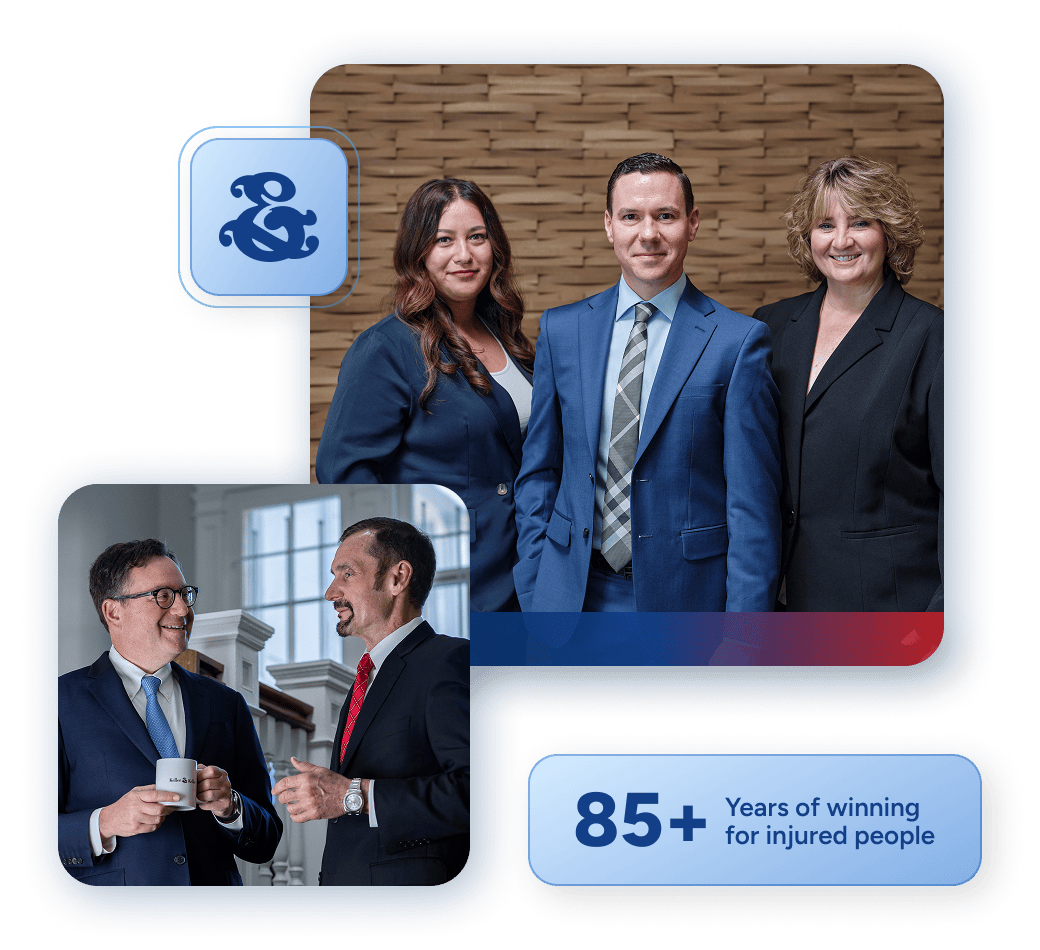

No Fee Until We Win!
Get Started Today“The folks at Keller & Keller put me at ease right from the start.”
Mike
Beginning with the secretary at the front office, she guided me everywhere I needed to go and gave me the people that I needed to talk to. And Jennifer my paralegal was absolutely outstanding from the first meeting we had. They have a whole team that you talk to instead of just one attorney. You have a paralegal that’s available to you 24-hours a day if you have questions, and they stick with the whole process and inform you every day if something happens…
Take Action Now
Your Michigan Wrongful Death Claim Starts Here
Free Consultation
We’ll evaluate your case honestly and explain your options in plain English. We’ll come to you, whether you’re at home, in the hospital, or wherever is convenient.
We Fight
Our experienced team fights to investigate thoroughly, deal with insurance companies, and handle all the legal complexities while you focus on getting better.
You Recover
Focus on healing while we handle the rest. We’ll fight for you like we’d fight for our own family, because that’s exactly how we see you.
Zero Fee Guarantee
We believe everyone deserves quality legal representation, regardless of their financial situation. That’s why we work on a contingency basis. You pay absolutely nothing unless and until we win your case. No upfront costs, no hidden fees, no financial risk to you.
* Clients may owe court costs if they lose

The Keller Tradition
Nearly Nine Decades of Legal Excellence in Michigan
Frequently Asked Questions
Have Questions? We’re here to help.
Injured and not sure what to do next?
We’ll help guide you through everything you need to know