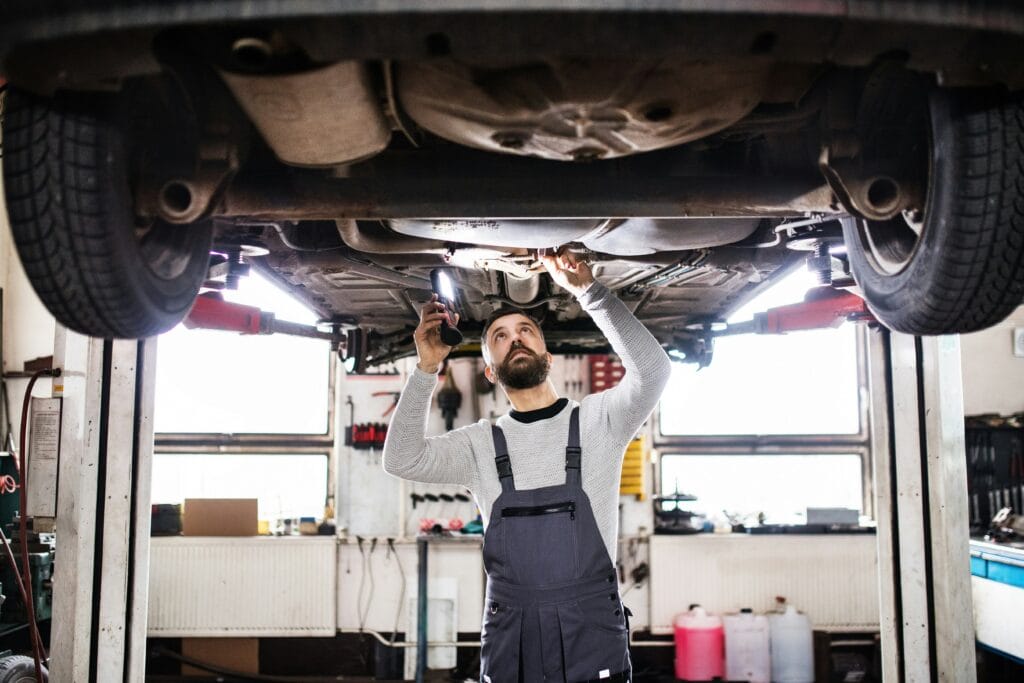
After a collision, getting your car repaired can feel like the fastest way to get life back to normal. However, important Indiana car accident evidence may still be inside, or attached to, your vehicle.
Before repairs, a salvage transfer, or disposal, take time to organize the information you already have. If someone was injured or fault is disputed, ask an attorney whether a vehicle inspection is needed before its condition changes.
Why vehicle damage matters beyond the repair bill
A repair estimate answers a financial question: What might it cost to fix the car? An injury investigation can involve different questions, including where the vehicles made contact and whether a mechanical problem needs closer review.
Keller & Keller Injury Lawyers’ Indiana car accident team identifies documenting damage before repairs and preserving vehicle data as parts of its evidence-preservation work.
Not every collision requires a specialist inspection. Still, asking early can help you coordinate repairs with any necessary investigation.
Photograph Indiana car accident evidence safely
If you can safely access your vehicle and have permission to enter the storage or repair facility, take clear photographs before work begins.
Useful images may include:
- Each side of the vehicle, including areas without visible damage.
- Close-ups and wider views of damaged areas.
- The passenger compartment and deployed airbags.
- Damaged belongings inside the car.
- The license plate and vehicle identification number.
Keep the original files. Store a second copy somewhere you can access if your phone is lost or replaced.
Do not enter a damaged vehicle, touch exposed wiring, or handle sharp debris to get a better photograph. Ask the facility for help when access is unsafe.
Save the paperwork that follows the vehicle
Create one folder for towing receipts, storage notices, repair estimates, inspection photographs, and insurer correspondence.
Record where the car is being kept and who is handling it. If the vehicle moves to another facility, update that information.
Keller & Keller’s guide to car property damage claims explains the broader repair and replacement process. Keeping those records together also makes it easier to explain what happened to the vehicle after the crash.
Ask these questions before authorizing the next step
Before repairs or a salvage transfer, ask:
- Has the vehicle been fully photographed and inspected?
- Does anyone need an additional inspection?
- What parts will be removed or discarded?
- When will the vehicle move or change ownership?
- What storage charges are accruing, and how can unnecessary charges be avoided?
Get important answers in writing. Preserving evidence should be coordinated promptly; leaving a vehicle in storage indefinitely can create additional expenses.
What if repairs have already started?
Do not assume that your injury claim is over. Ask for photographs taken before repairs, estimates, invoices, and information about any parts still available.
Tell your attorney what work has occurred and when. Other information, including witness accounts and existing photographs, may still help explain the collision.
Talk with Keller & Keller Injury Lawyers about your next steps
If you were injured in an Indiana crash, Keller & Keller can review your questions about evidence, insurance, and the repair process.
You can also read how paying a personal injury lawyer in Indiana works before arranging a free consultation.