A Federal Crackdown Hits Close to Home in New Mexico
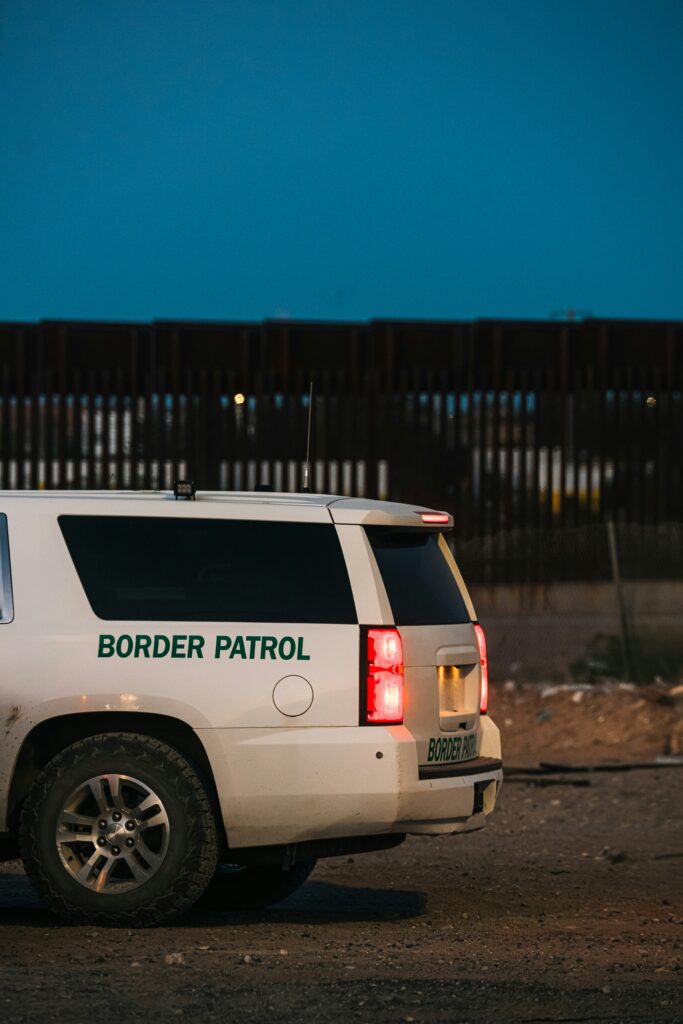
Federal enforcement against unauthorized foreign truckers isn’t just a headline out of the border states anymore — it’s happening on New Mexico highways. On August 10, 2026, U.S. Border Patrol agents in Las Cruces arrested a Canadian commercial driver after determining he had hauled freight between Deming, New Mexico, and Los Lunas, New Mexico — a domestic move his nonimmigrant status didn’t authorize him to make. He now faces prosecution and possible deportation.
We have represented injured people in New Mexico for decades, and truck accidents involving interstate and cross-border freight are a significant part of our New Mexico caseload given the state’s position along major trucking corridors like I-10, I-25, and I-40. Stories like this one aren’t abstract industry news to us — they reflect the exact issues our attorneys dig into on every truck crash investigation:
- Carrier authority and licensing status of the driver and company involved
- Regulatory compliance history, including any past FMCSA violations or enforcement actions
- Insurance coverage applicable to the specific load and route
- Corporate liability of the carrier, broker, or shipper — not just the driver
Because New Mexico sits directly on major freight routes connecting Mexico, the western U.S., and now increasingly cross-border Canadian freight, our attorneys stay current on enforcement trends like this cabotage crackdown so we can spot red flags early in a case and build the strongest possible claim for our clients.
For most people, this might read as a routine immigration or trucking-compliance story. For the attorneys at Keller & Keller who represent people injured by commercial trucks across New Mexico, it’s a reminder of something more important: not every truck on the road is operating legally, and that matters when a crash happens.
What Is Cabotage, and Why Does It Matter?
“Cabotage” is a term most people outside the freight industry have never heard, but it describes a rule with real consequences for public safety.
The Basic Rule
Foreign commercial drivers — Canadian or Mexican — are allowed to bring freight into the United States from their home country, or pick up freight in the U.S. to take back across the border. What they are not allowed to do is pick up a load at one U.S. city and deliver it to another U.S. city. That point-to-point domestic haul is reserved for drivers and carriers properly authorized to operate within the United States.
Why the Rule Exists
Cabotage restrictions aren’t just red tape. They exist because domestic freight operations come with a web of U.S.-specific requirements: carrier registration, insurance minimums, hours-of-service compliance, drug and alcohol testing, and driver qualification standards enforced by the Federal Motor Carrier Safety Administration (FMCSA). A driver or carrier operating outside their authorization may not be meeting those standards at all.
This isn’t an isolated incident. Federal agents have brought similar cases against Mexican drivers in recent months — including one accused of hauling produce from Arizona to Washington state, and another accused of moving freight from Arizona to Texas. What makes the New Mexico case notable is that it’s one of the first widely reported cabotage arrests involving a Canadian driver, signaling that enforcement is expanding well beyond the southern border.
Why This Matters if You’re Ever in a Crash With a Commercial Truck
Here’s the connection our clients need to understand: a driver or carrier operating outside their legal authorization is often cutting corners in other ways too.
When a truck accident happens in New Mexico, the first questions our firm investigates include:
- Was the driver properly licensed and authorized to make this specific haul?
- Was the carrier registered and insured to operate in the U.S.?
- Did the driver meet FMCSA hours-of-service and safety requirements?
- Is there a legitimate paper trail — bills of lading, dispatch records, carrier authority — for this load?
An unauthorized cabotage operation raises red flags on all of these fronts. If a carrier is willing to violate federal cabotage law to make an extra delivery, it raises serious questions about whether that carrier is cutting corners on driver fatigue rules, vehicle maintenance, insurance coverage, or background checks — all factors that directly increase the risk of a serious crash.
The Personal Injury Angle: How Unauthorized Operations Affect a Claim
A cabotage violation is a federal regulatory issue, but in a personal injury case it can also become powerful evidence. Here’s how it plays out in practice.
Negligent Hiring and Negligent Entrustment
Trucking companies have a legal duty to verify that the drivers they put behind the wheel are qualified and authorized to operate in the U.S. When a company knowingly (or carelessly) dispatches a driver on a load he isn’t legally allowed to haul, injured victims may have a negligent hiring or negligent entrustment claim against the carrier itself — separate from any claim against the driver. This can open up additional avenues of compensation and additional insurance policies that may respond to a claim.
Insurance Coverage Complications
Authorized U.S. motor carriers are required to carry federally mandated minimum liability insurance — often $750,000 or more for general freight, and higher for hazardous materials. A carrier or driver operating outside their authorized scope may not have coverage that responds properly to a domestic-only crash, or may attempt to deny the claim by arguing the trip wasn’t authorized in the first place. Untangling this is exactly the kind of coverage dispute an experienced truck accident attorney needs to handle — before an insurer tries to use the violation as an excuse to avoid paying.
Punitive Damages Potential
In New Mexico, punitive damages may be available when a defendant’s conduct is willful, wanton, or in reckless disregard of others’ rights. A carrier that knowingly directs a driver to violate federal cabotage restrictions — putting an unauthorized, potentially unvetted driver on the road — could face exposure well beyond standard compensatory damages if that decision contributes to a crash.
The Types of Injuries at Stake
Commercial trucks can weigh 20 to 30 times more than a passenger vehicle, and crashes involving them frequently cause catastrophic harm, including:
- Traumatic brain injuries
- Spinal cord injuries and paralysis
- Multiple fractures and crush injuries
- Internal organ damage
- Wrongful death
These are exactly the high-stakes cases where knowing whether a carrier was operating legally — and fully investigating every possible source of liability and insurance coverage — makes the difference in a fair recovery.
What to Do If You’re Injured by a Commercial Truck in New Mexico
Truck accidents are rarely simple. Unlike a typical car crash, they often involve multiple potentially liable parties: the driver, the trucking company, the company that leased the truck, the freight broker, and sometimes even the shipper. When international or cross-border carriers are involved, identifying who is legally responsible — and whether they were operating within the law in the first place — becomes even more critical.
If you or a loved one has been hurt in a truck accident:
- Get medical care first. Some injuries, especially internal or spinal injuries, aren’t obvious right away.
- Document everything you can. Photos of the scene, the truck’s markings, the driver, and any visible cargo can matter later.
- Don’t sign anything or give a recorded statement to a trucking company’s insurer before speaking with an attorney.
- Contact an experienced truck accident attorney quickly. Evidence like driver logs, dispatch records, and black box data can be lost or overwritten if not preserved right away.
How Keller & Keller Can Help
Keller & Keller Injury Lawyers has represented injured people and families across New Mexico for decades. Our attorneys understand the layers of state and federal trucking regulation — including carrier authority, cabotage restrictions, and FMCSA safety rules — that come into play when a commercial truck causes a serious crash. We investigate who was really responsible, preserve critical evidence, and fight to hold negligent carriers accountable.
If you’ve been injured in a truck accident anywhere in New Mexico, reach out to us for a free, no-obligation consultation.
Frequently Asked Questions
What is cabotage in trucking? Cabotage refers to a foreign carrier or driver transporting goods between two points within the same country. In the U.S., Canadian and Mexican drivers can legally move freight across the border but generally cannot haul freight between two U.S. cities without proper authorization.
Is it illegal for a Canadian truck driver to haul freight within the U.S.? Yes, unless the driver and carrier have the proper U.S. operating authority. A foreign driver operating on a nonimmigrant status who picks up and delivers freight entirely within the U.S. can face prosecution and deportation for violating cabotage restrictions.
Does an unauthorized carrier affect a truck accident injury claim? It can. If a carrier or driver was operating outside their legal authority, it may point to broader compliance failures — such as inadequate insurance, unverified driver qualifications, or safety violations — that are relevant to establishing liability in a crash.
What should I do after a truck accident in New Mexico? Seek medical attention, document the scene if possible, avoid giving statements to insurance adjusters without legal advice, and contact a truck accident attorney as soon as possible to help preserve evidence.
How do I know if I have a truck accident case? Every case is different. The best way to find out is to speak with an experienced truck accident attorney who can review the facts, identify all potentially liable parties, and explain your legal options — free of charge.
Can I sue a trucking company, not just the driver, after a crash? In many cases, yes. Trucking companies can be held liable for negligent hiring, negligent entrustment, or failing to properly supervise a driver — especially if the company knowingly allowed an unauthorized or unqualified driver to operate a load.
What if the truck involved in my accident was operating illegally? An unauthorized or non-compliant carrier doesn’t make your case harder — it often makes liability clearer. An experienced attorney can use evidence of regulatory violations to strengthen a negligence claim and identify additional insurance policies or parties that may be responsible.