SunZia Wind & Transmission is now one of the largest clean energy projects in the United States—and a major part of it is happening in our own backyard in New Mexico. We’re watching this project closely because big infrastructure often brings big safety risks for everyday people.
What is the SunZia project?
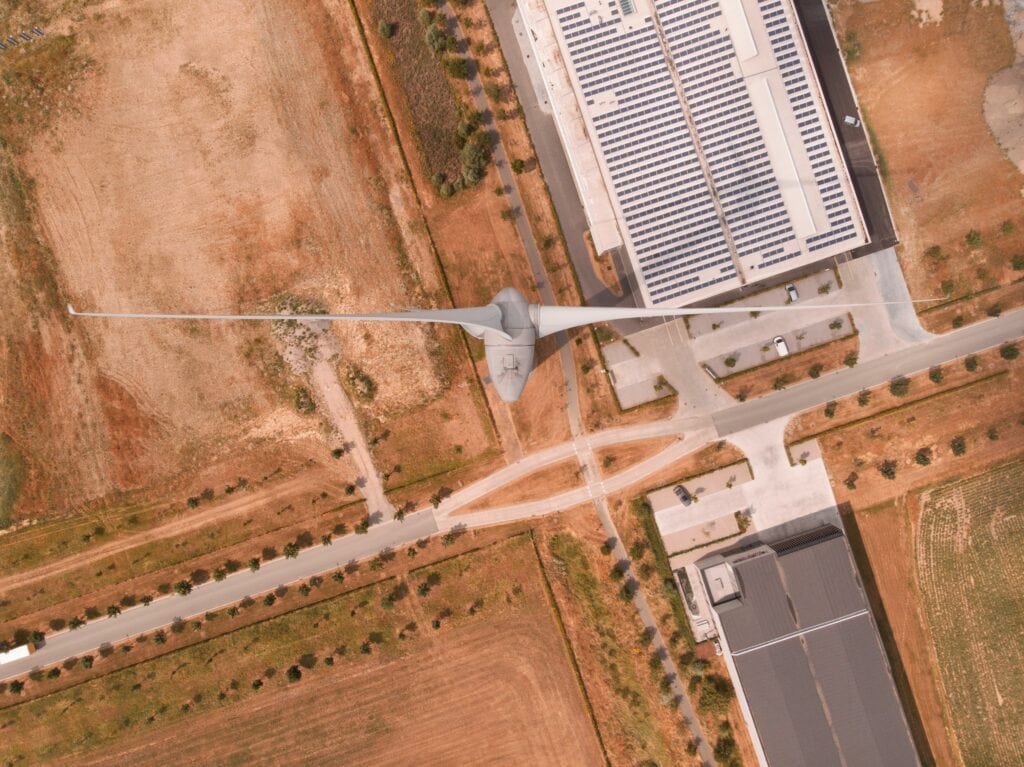
SunZia is a combination of a massive wind farm and a long‑distance transmission line designed to carry New Mexico’s wind power to other western states.
- The SunZia Wind project spans multiple New Mexico counties and is set to be the largest wind farm in the country, with thousands of megawatts of generating capacity.
- The SunZia Transmission Project is a 550‑mile high‑voltage line that runs from central New Mexico into Arizona, moving clean power to cities across the Southwest.
While much of the electricity will ultimately serve customers in states like Arizona and California, New Mexico carries the burden of construction activity, heavy trucking, and long‑term infrastructure on its land.
Why a personal injury firm is paying attention
Since 1936, Keller & Keller has focused on representing accident victims—not corporations. In New Mexico, our Albuquerque office regularly handles cases involving:
- Serious car and truck crashes on rural highways and interstates
- Semi‑truck collisions and wide‑load incidents
- Work‑zone and construction‑related injuries
A project like SunZia means:
- More large trucks hauling turbine components, towers, and blades through small towns and rural roads.
- More construction traffic and temporary work zones on highways near the wind farm and transmission route.
- More heavy equipment and complex job sites where workers face elevated risks from falls, equipment failures, and electrical hazards.
We’ve seen firsthand how even a single negligent decision—speeding through a work zone, failing to secure a load, ignoring safety rules—can change a New Mexico family’s life in an instant.
Potential dangers for drivers and workers
For everyday drivers:
- Oversized and overweight loads can make passing more dangerous and increase stopping distance.
- Unexpected lane closures, flaggers, and detours can cause confusion and rear‑end crashes, especially at night or in bad weather.
- Out‑of‑state trucking companies may not be familiar with local roads and conditions, increasing the chance of driver error.
For workers on SunZia and similar projects:
- Working at height on turbines or transmission structures raises the risk of serious falls.
- Operating cranes, heavy machinery, and haul trucks can lead to catastrophic injuries if equipment isn’t properly maintained or safety protocols are ignored.
- Long shifts in remote areas can contribute to fatigue, mistakes, and delayed emergency response when something goes wrong.
When companies choose to take on a project of this size, they must also choose to prioritize safety—for their workers, for local residents, and for everyone sharing the road.
If you’re hurt near a major energy project
If you’re injured in a crash or on a job site connected to a project like SunZia, your situation can quickly become complicated:
- Multiple companies may be involved (developers, contractors, trucking firms, equipment suppliers).
- Responsibility for road safety, training, and equipment maintenance may be split between several entities.
- Evidence—like driver logs, maintenance records, and site safety plans—needs to be preserved fast before crews move on or vehicles are repaired.
This is where a firm like Keller & Keller Injury Lawyers steps in. Our New Mexico team focuses on:
- Investigating how and why the crash or injury happened, including company safety practices and compliance with state and federal regulations.
- Identifying every potentially responsible party, from the driver behind the wheel to the corporation that planned and oversaw the work.
- Pursuing full compensation for medical bills, lost income, and the long‑term impact on you and your family.
We operate on a Zero Fee Guarantee, meaning you pay nothing unless we win your case, which can be critical when a serious injury coincides with lost work and growing medical expenses.
Keller & Keller is here for New Mexico
Keller & Keller’s Albuquerque office is located in Uptown, and we represent clients throughout New Mexico who have been injured in car accidents, truck crashes, work‑zone incidents, and other serious events. As projects like SunZia reshape our state’s landscape, our commitment remains the same: we stand with injured people, not big corporations.
If you or a loved one has been hurt in a crash involving construction traffic, semi‑trucks, or utility vehicles—or injured while working on a large energy or infrastructure project—contact us for a free consultation. We’ll listen to your story, explain your options, and help you decide what to do next.
How SunZia Could Affect Drivers in New Mexico
As SunZia Wind & Transmission ramps up across central New Mexico, local drivers are seeing real‑world changes on highways, county roads, and in small communities along the project route. For a personal injury firm like Keller & Keller, these changes matter because they can increase the risk of serious crashes involving passenger vehicles, commercial trucks, and construction equipment.
1. More oversized and heavy truck traffic
Building and maintaining the largest wind farm in the United States means moving massive turbine components, towers, blades, and equipment across long distances.
- Oversized loads need extra room to turn, stop, and maneuver, which can make passing on two‑lane rural highways much more dangerous.
- Drivers may encounter slow‑moving convoys, pilot cars, and trucks traveling in groups, especially near staging areas and turbine sites.
- Out‑of‑state trucking companies and drivers moving equipment into New Mexico may not be familiar with local road conditions, weather patterns, or high‑risk stretches of highway.
For New Mexico families driving to work, school, or appointments, that means more interaction with large commercial vehicles—and a higher chance that someone else’s negligence leads to a catastrophic crash.
2. Increased work‑zone and construction‑related hazards
SunZia’s 550‑mile HVDC transmission line and extensive wind farm infrastructure bring ongoing construction activity to multiple corridors across the state.
- Temporary lane closures, flaggers, and reduced speed zones can cause confusion, rear‑end collisions, and sideswipe crashes when drivers don’t slow down or pay attention.
- Construction vehicles entering and exiting sites near highways can create unexpected hazards for everyday traffic.
- Poorly marked work zones, inadequate lighting, or unclear signage can make it difficult for drivers to safely navigate changing road conditions, especially at night.
When companies and contractors set up work zones, they have a legal duty to follow safety standards—if they cut corners, innocent drivers can pay the price.
3. More fatigue and distraction for professional drivers
Long haul routes between turbine staging areas, transmission line segments, and regional depots mean more time on the road for commercial and construction drivers.
- Fatigue from extended shifts and remote work sites can lead to slower reaction times, poor decision‑making, and drifting out of lanes.
- Distraction from navigation devices, communication with dispatch, or on‑board systems can take a driver’s eyes off the road at critical moments.
- Pressure to stay on schedule during tight construction timelines can encourage speeding or risky maneuvers in traffic.
When these factors combine with heavy vehicles and complex routes, even a small mistake can result in a major collision with lasting injuries.
4. Changing traffic patterns in rural communities
SunZia brings thousands of workers and new commercial activity into rural and semi‑rural areas of New Mexico.
- Residents who are used to light traffic may suddenly see more trucks, buses, and construction caravans on local roads.
- Intersections, access roads, and previously quiet stretches can become busier and more dangerous, especially for teen drivers or older adults.
- Local emergency response resources may be stretched by new demands, potentially delaying medical care after serious crashes.
These changes can be especially hard on families who rely on the same roads to get kids to school, commute to jobs, or run daily errands.
Crash trends in key SunZia counties
Even before SunZia, these counties saw notable accident problems:
- Torrance County – A recent study found Torrance has the highest rate of fatal crashes in New Mexico, despite its rural character. Fatal crash data from 2017–2023 shows 61 fatal crashes and 69 deaths, with many crashes involving single vehicles and clear weather—signs that speed, fatigue, and inattention are major factors.
- San Miguel County – Traffic crashes are a leading public-safety issue, with car, truck, motorcycle, and pedestrian accidents causing significant injury and death each year despite improvements in vehicle and road design.
- Lincoln County – Reports highlight serious rollover and single‑vehicle crashes near Ruidoso and other mountain/forest roads, often involving speed or alcohol. Recent incidents have even included a medical transport aircraft crash in Lincoln County tied to travel between Roswell and Ruidoso.