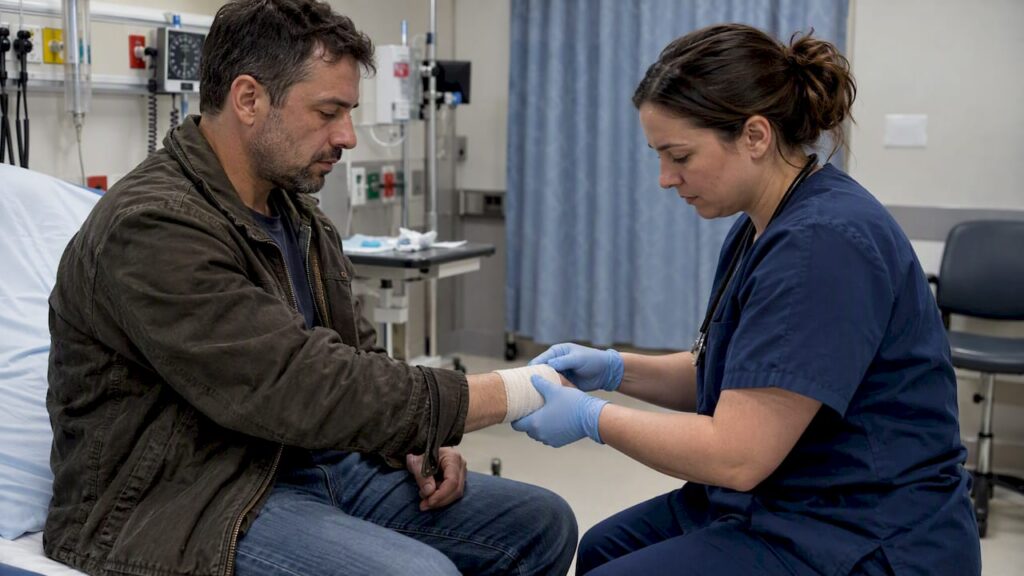
Victims of drunk driving crashes can pursue civil compensation even when the driver faces separate criminal charges, and the two cases proceed on different tracks with different standards of proof. If you were hurt, seek medical care immediately, preserve the police and DUI reports, and speak with an experienced personal injury attorney before giving any statement to an insurance company.
TL;DR:
- Photograph the scene, vehicle damage, and injuries, collect witness details, and ask counsel to preserve nearby surveillance before businesses overwrite it.
- Check your UM/UIM coverage if the driver’s limits fall short; some states also allow claims against bars or hosts that served visibly intoxicated patrons.
- Claims can cover medical costs, lost income, property damage, and pain and suffering; punitive awards are rare, often capped, and may lack insurance coverage.
- A DUI conviction can support negligence per se, but it is not required to win; state filing deadlines differ and can bar recovery.
Table of Contents
- What Matters First for a Drunk Driving Claim
- How Fault Gets Proved in a DUI Crash
- What Compensation You Can Seek and How It’s Calculated
- When Punitive Damages Apply and Why Collecting Them Is Hard
- Evidence You Need and How to Preserve It
- How Insurance Coverage Shapes What You Can Recover
- Criminal Charges Versus Your Civil Claim
- How Legal Representation Helps After a Drunk Driving Crash
- Deadlines You Cannot Afford to Miss
- Our Regional Perspective on Drunk Driving Claims
- How We Can Help You Pursue Compensation
- FAQ
- Sources
What Matters First for a Drunk Driving Claim
The first 24 to 72 hours after a drunk driving crash often determine how strong your claim will be. Evidence disappears quickly, memories fade, and insurance adjusters move fast to limit what they owe.
- Get medical care right away and keep every record, bill, and discharge note.
- Ask the investigating agency how to obtain the police report and any BAC, breath, or blood test results.
- Photograph the scene, your vehicle damage, and your visible injuries, and collect contact information from witnesses.
- Review your own auto policy for uninsured and underinsured motorist (UM/UIM) coverage.
- Talk to an attorney before you give a recorded statement to any insurance adjuster.
How Fault Gets Proved in a DUI Crash
Civil liability in a drunk driving case rests on ordinary negligence principles: a driver owed you a duty of care, breached that duty, and caused your injuries. Because driving under the influence violates state DUI statutes, many courts apply negligence per se, meaning the statutory violation itself can establish breach, leaving the civil case focused on causation and damages.
Proving the connection between impairment and the crash typically draws on several pieces of evidence:
- The timing and result of BAC, breath, or blood tests.
- Arresting officer observations, field sobriety test results, and body-camera footage.
- Witness statements describing erratic driving before the collision.
In some states, dram shop or social host laws allow injured victims to pursue bars, restaurants, or private hosts that served alcohol to a visibly intoxicated or underage patron who later caused a crash. These laws vary considerably by state, so whether that avenue applies depends on where the crash happened. Defendants often raise comparative negligence, arguing the victim contributed to the crash, which can reduce but rarely eliminates a damages award.
Pro Tip: Ask your attorney early whether your state recognizes dram shop liability. It can open up an additional source of recovery beyond the driver’s own insurance policy.
What Compensation You Can Seek and How It’s Calculated
Civil claims after a drunk driving crash generally fall into two categories: economic and non-economic damages.
- Economic damages: medical bills, future care costs, lost income, and vehicle or property damage.
- Non-economic damages: pain and suffering, emotional distress, and loss of enjoyment of life.
- Punitive damages: a separate category reserved for especially reckless conduct.
Documenting economic losses requires pay stubs, tax returns, medical bills, and treatment plans, while non-economic damages are typically valued through a combination of medical testimony, daily-life impact, and comparison to similar cases. Punitive damages may be available in drunk driving cases, but awards are rare, vary by state, and are often capped by statute.
In 2024, alcohol-impaired driving crashes killed 11,904 people in the United States, accounting for roughly 30% of all traffic fatalities that year. That scale explains why so many civil claims hinge on proving impairment clearly and early.
The amount you actually collect also depends heavily on insurance limits, which we cover in more detail below.
When Punitive Damages Apply and Why Collecting Them Is Hard
Punitive damages punish especially reckless conduct rather than compensate for losses, and courts reserve them for cases where the evidence shows more than ordinary negligence, such as extreme intoxication or a pattern of prior DUI offenses. Many states require a higher standard of proof for punitive awards and cap the amount a jury can grant.
Even when a court awards punitive damages, collecting them can be difficult. Insurance policies often exclude punitive damages from coverage, which means a victim may need to pursue the at-fault driver’s personal assets directly. That reality shapes how attorneys approach discovery, since tracing a defendant’s assets early can matter as much as proving the underlying conduct.
Evidence You Need and How to Preserve It
Evidence in a drunk driving case can disappear within days, so acting quickly protects your claim.
- Request the police crash report and any DUI arrest report as soon as they become available.
- Photograph the scene, vehicle damage, and visible injuries before anything is repaired or cleaned up.
- Collect contact information from witnesses while memories are fresh.
- Gather all medical records tied to the crash, including emergency room and follow-up visits.
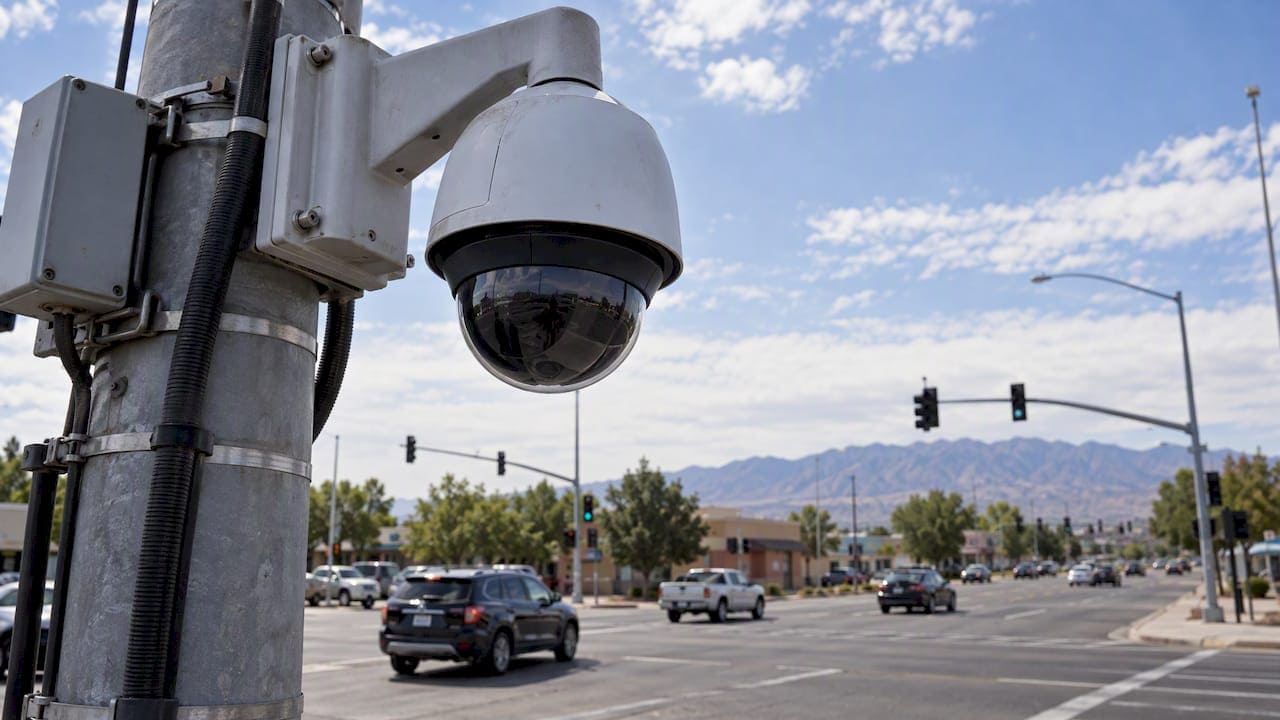
- Identify nearby businesses or traffic cameras that may hold surveillance footage, which is often overwritten within days or weeks.
Breath and blood sample results come with a chain of custody that must be preserved to remain admissible, and attorneys often send preservation letters or subpoenas to secure lab records before they are destroyed. In more serious cases, attorneys bring in an accident reconstructionist to recreate the crash sequence or a forensic toxicologist to interpret BAC results and their effect on driving ability, both of which strengthen the causal link between impairment and your injuries.
Pro Tip: Ask whoever investigated the crash how long surveillance footage near the scene is typically retained, then have your attorney send a preservation request immediately.
How Insurance Coverage Shapes What You Can Recover
Insurance coverage, not just fault, often determines how much you actually collect. The at-fault driver’s insurer only pays up to that policy’s limits, regardless of how severe your injuries are or how clearly the driver caused the crash.
- When the drunk driver’s policy limits fall short, your own uninsured/underinsured motorist (UM/UIM) coverage can fill the gap, an issue explained in more detail for Indiana drivers.
- Indiana case law illustrates how complicated UIM disputes can get: in one published Indiana appellate opinion, the court examined how a claimant’s recovery from the at-fault driver affected entitlement to UIM benefits under the policy language and state statute.
- Insurers sometimes send a reservation-of-rights letter, reserving the option to later deny coverage, which can leave a victim facing an excess judgment if damages exceed the policy limits.
- Where state law allows it, dram shop or social host claims against the establishment that served the driver can provide another source of recovery.
For Indiana readers, our overview of car insurance basics explains the coverage types that come into play most often.
Criminal Charges Versus Your Civil Claim
Criminal prosecution punishes the drunk driver, while a civil claim compensates you, and the two run on separate tracks with different burdens of proof. A criminal conviction requires proof beyond a reasonable doubt, while a civil claim only requires a preponderance of the evidence, a far lower bar.
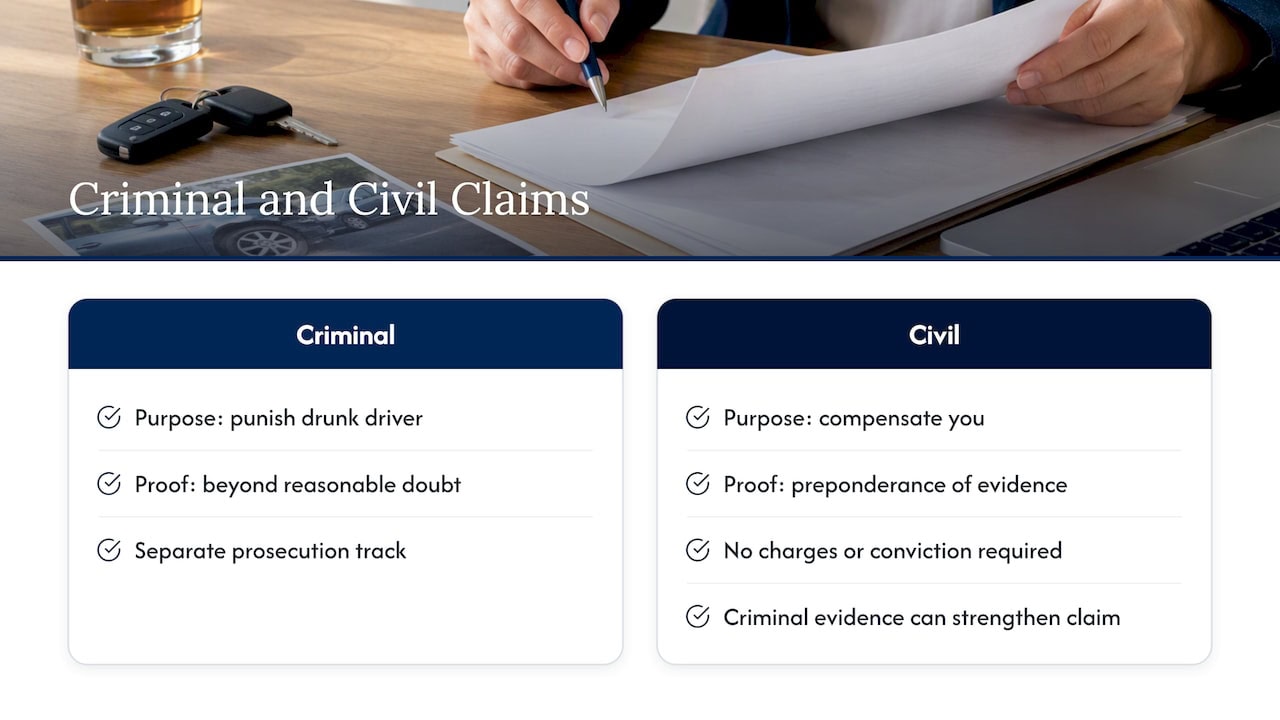
A DUI conviction can serve as strong evidence of negligence per se in your civil case, but you do not need a conviction, or even criminal charges, to win your civil claim. Coordinating timing with your attorney matters, since evidence gathered in the criminal case can often strengthen your civil claim as well.
How Legal Representation Helps After a Drunk Driving Crash
Personal injury attorneys typically work on contingency, meaning you pay nothing upfront and we advance the costs of investigation while your case moves forward. We gather evidence, bring in experts, value your claim accurately, and negotiate or litigate depending on what serves you best, all while coordinating with any criminal proceeding against the driver.
Bring your police report, medical records, photographs, witness information, and insurance details to your first consultation so we can evaluate your case quickly.
Deadlines You Cannot Afford to Miss
Every state sets its own statute of limitations for personal injury claims, and missing that deadline typically bars you from recovering anything at all, regardless of how strong your case is. Indiana, for example, has specific filing windows that apply to wrongful death claims arising from a crash, and other states set different timelines entirely.
Because deadlines vary so widely, document your injuries, preserve your medical records, and consult an attorney before evidence or witness memory fades.
Our Regional Perspective on Drunk Driving Claims
Handling drunk driving injury and wrongful death claims in several states has shown how much state law shapes outcomes. UM/UIM disputes, dram shop rules, and filing deadlines differ enough between these states that the same facts can lead to very different results depending on where the crash happened.
We also see patterns repeat: impaired driving crashes cluster around holiday weekends and late-night hours, and teen-involved cases often raise separate social host liability questions.
— Adam
How We Can Help You Pursue Compensation
We offer free case evaluations and represent drunk driving injury and wrongful death victims on a contingency basis, so you pay nothing unless we win your case.

Bring your police report, medical records, and photos to your consultation, and we will walk you through how your specific case fits state law and available insurance coverage.
- Free case evaluation with no obligation.
- Contingency representation, meaning no fee unless we recover compensation for you.
- Direct access to legal team members throughout your case.
Visit our car accident and wrongful death practice page to request your free consultation, or learn more about how we handle wrongful death claims if you lost a loved one to a drunk driving crash.
This article is general information, not a substitute for advice from a qualified lawyer. Consult a qualified legal professional about your own circumstances before acting on anything here.
FAQ
What percentage of accidents are caused by drunk drivers in the US?
Alcohol-impaired driving crashes accounted for roughly 30% of all traffic fatalities in 2024, based on national data. On average, one person is killed in a drunk driving crash every 44 minutes in the United States.
How much money can you get from a drunk driving accident?
There is no fixed amount, since compensation depends on your medical costs, lost income, pain and suffering, and the available insurance coverage. Insurance policy limits often set the practical ceiling on what you can collect, which is why attorneys explore every source of recovery, including UM/UIM coverage and dram shop claims.
Is it worth suing a drunk driver?
Suing a drunk driver is often worthwhile because civil claims use a lower burden of proof than criminal cases and can recover damages a criminal case never addresses, such as medical bills and lost wages. A DUI conviction can strengthen your case through negligence per se, but a conviction is not required to win.
What state is #1 for drunk driving?
National data tracks impaired driving fatalities by state and year, but rankings shift and the current figures are best reviewed directly through NHTSA’s drunk driving data rather than restated here. What stays consistent is that alcohol-impaired crashes remain a leading cause of traffic deaths nationwide.