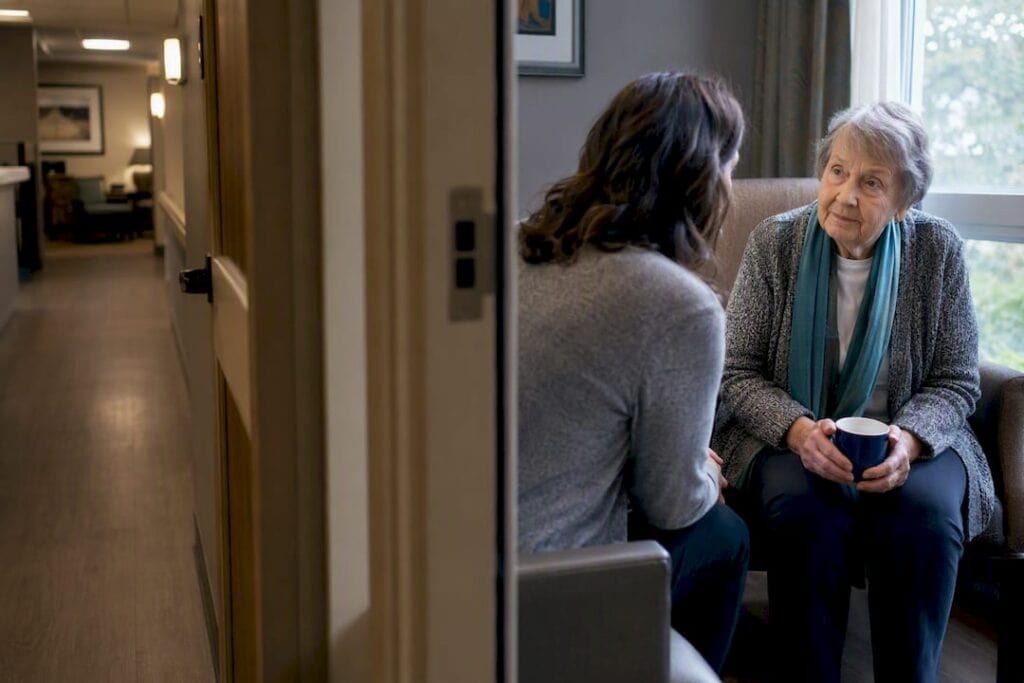
The clearest signs of nursing home abuse are unexplained bruises or fractures, persistent neglect such as bedsores and dehydration, sudden withdrawal or agitation, and unexplained financial activity on a resident’s accounts. If you notice any of these, get the resident to safety, start documenting immediately with photos and notes, and prepare to report what you find.
TL;DR:
- Unexplained bruises, fractures, or bedsores typically indicate physical abuse or neglect and should be documented with photos and notes immediately.
- Signs like persistent dehydration, missing assistive devices, and poor hygiene point to systemic neglect often caused by understaffing or insufficient care routines.
- Resident behavior changes such as withdrawal, agitation, or fear around staff may reveal emotional, sexual, or financial abuse, especially when staff avoid private conversations.
- Facility issues like unanswered call bells, soiled bedding, odors, and high staff turnover are strong indicators of neglect or poor management.
- Immediate response involves ensuring safety, collecting accurate records, and reporting to authorities like ombudsmen, protective services, or law enforcement with all supporting evidence.
Table of Contents
- Signs of Nursing Home Abuse by Type
- Warning Signs Inside the Facility Itself
- How to Respond and Who to Report to First
- Documenting Evidence That Actually Holds Up
- What Legal and Medical Experience Tells Us About Documentation
- A Note to Families Facing This Right Now
- How Keller & Keller Can Help After Signs of Abuse
- Where to Report Abuse and Get Advocacy Support
- Sources
- FAQ
Signs of Nursing Home Abuse by Type
Nursing home abuse is generally sorted into five categories, and each one leaves its own trail of evidence. The Elder Justice Initiative defines abuse as any intentional or neglectful act that causes or risks harm to a vulnerable older adult, spanning physical, emotional, sexual, financial, and neglect-based harm. Knowing which category you’re looking at helps you know exactly what to document and who to call.
Physical abuse shows up in ways that are often explained away too easily. Watch for:
- Bruises, welts, or fractures with no clear accident behind them, especially in patterns (finger marks on an arm, bruising in a grip shape)
- Repeated injuries over several weeks rather than a single incident
- Marks on wrists or ankles suggesting improper restraint use
- Medication irregularities, including oversedation or missed doses that leave a resident groggy or unusually compliant
Neglect tends to be slower and quieter, which is exactly why it gets missed. The National Center on Elder Abuse lists Stage 4 pressure ulcers, persistent dehydration, sudden weight loss, and poor hygiene among the clearest markers. Missing assistive devices, like a hearing aid or walker that’s mysteriously “misplaced” for weeks, often points to the same root cause: understaffing.
Emotional and psychological signs are the ones families second-guess the most, because they look like ordinary aging at first glance. Withdrawal, sudden agitation, rocking, or self soothing behaviors like thumb sucking can signal real distress. Fear or flinching around one specific staff member is rarely a coincidence.
Sexual abuse indicators include genital or breast area bruising, unexplained bleeding, new sexually transmitted infections, or a sudden change in demeanor around a particular caregiver.
Financial exploitation often hides behind paperwork: a new power of attorney signed without family knowledge, missing personal property, unpaid bills despite adequate funds, or signatures a resident doesn’t remember making.

Across every category, ask whether the explanation actually fits the injury, and note if staff avoid letting you speak privately with your loved one.
Warning Signs Inside the Facility Itself
Sometimes the strongest evidence isn’t on the resident. It’s in the room and the routines around them.
- Soiled bedding, lingering odors, pest activity, or a persistent shortage of basic supplies like gloves or briefs
- Call bells that go unanswered for long stretches, or care tasks (repositioning, bathing, meals) that get skipped and then falsely logged as complete
- High staff turnover, staff who seem rushed, evasive, or defensive when you ask questions
- Spoiled food, inconsistent meal service, or signs a resident isn’t actually eating what’s on the tray
Pro Tip: Visit at different times of day, not just during business hours. Neglect patterns often surface on night shifts or weekends when staffing is thinnest.
Bedsores are one of the most telling markers here. The NCEA’s 2025 guide identifies Stage 4 pressure ulcers as a preventable condition that almost always reflects a systemic failure, not an isolated slip. A resident properly repositioned and monitored simply doesn’t develop wounds that deep.
How to Respond and Who to Report to First
Once you spot a red flag, speed and order matter. Follow this sequence.
- Secure immediate safety. If the resident is in danger or shows signs of sepsis (fever, confusion, rapid breathing), call 911 and get medical care before anything else.
- Request an incident report from the facility and get a copy in writing before you leave.
- Speak privately with your loved one, away from staff, and let them describe what happened in their own words.
- Photograph everything relevant, from visible injuries to room conditions, and note the date and time on each shot.
- Record staff names and shift times connected to what you observed.
- Report through the proper channel: your state’s long-term care ombudsman for facility-level complaints, Adult Protective Services for suspected abuse or neglect, the state survey agency for licensing violations, and local police for any criminal act.
- Contact an attorney if the injury is serious, records go missing, or the facility stalls on giving you information.
Pro Tip: Ask for the ombudsman’s direct contact information during your first conversation with facility staff. Ombudsmen can often intervene faster than a formal state complaint, according to the National Institute on Aging.
This sequence mirrors the “Recognize, Respond, Report” framework advocacy groups use, and it happens to build the exact evidence trail a legal claim later needs.
Documenting Evidence That Actually Holds Up
Photograph injuries in natural light, include something for scale (a coin or ruler), and take a wide shot of the room alongside close ups of bedding, wounds, or missing supplies. Timestamp every photo automatically through your phone’s camera settings.
- Keep a running log with dates, times, staff names, direct quotes, and any care task you witnessed being skipped.
- Request medical records and incident reports in writing, and ask the facility for its stated timeline to produce them.
- If the facility delays or refuses, escalate to the ombudsman or state survey agency immediately rather than waiting.
- Treat sepsis, recurring infections, or untreated Stage 4 pressure ulcers as urgent. These clinical markers usually mean neglect has been going on far longer than one visit reveals.
A detailed injury-documentation guide can help you organize this evidence before it fades from memory.
What Legal and Medical Experience Tells Us About Documentation
Cases with contemporaneous evidence, photos, dated logs, and copies of incident reports, tend to produce clearer investigatory outcomes than cases pieced together from memory months later. The most common gap we see is families who wait to take photos until after visible injuries have already started healing, or who never get a copy of the incident report before leaving the facility.
Sepsis, untreated pressure ulcers, and repeated hospital transfers are markers we treat as serious red flags in nursing home neglect claims, since they typically point to weeks of unaddressed harm rather than a single bad day.
A Note to Families Facing This Right Now
Confronting a facility feels impossible when you’re scared for someone you love. Keep visiting, keep asking direct questions, and document quietly rather than confronting staff outright. Reporting agencies move on their own timelines, and outcomes vary, but recognizing the signs early is what gives your loved one the best chance.
— Adam
How Keller & Keller Can Help After Signs of Abuse
Once you’ve documented what you’ve seen, the next question is usually what it’s worth pursuing legally, and that’s where experienced personal injury attorneys can provide contingency-fee representation. Payment typically depends on winning or settling the case.

Call when you’re dealing with a serious injury, signs of sepsis, repeated neglect the facility won’t address, or a facility that’s stalling on handing over records. Bring what you’ve gathered: photos, your dated log, medical records, and any incident reports, since that evidence shapes how quickly a case evaluation can move forward. The firm uses that documentation to build the timeline that separates an isolated accident from a genuine pattern of neglect. If you’re unsure whether what you’re seeing rises to a serious injury claim, a free consultation will tell you where you stand, with no upfront cost either way.
Where to Report Abuse and Get Advocacy Support
- Long-term care ombudsman (state-specific contact for facility complaints)
- Elder Justice Initiative red flags and reporting guidance
- NIA’s guide to spotting elder abuse signs
- Your state’s Adult Protective Services and state survey agency
- Keller & Keller’s documentation checklist for next steps
This article is general information, not a substitute for advice from a qualified doctor. Consult a qualified healthcare professional about your own circumstances before acting on anything here.
Sources
- Elder Justice Initiative | About elder abuse
- Nursing Home Neglect: Preventing It and Getting Help (NCEA guide, 2025)
- Infographic: Spotting the Signs of Elder Abuse (National Institute on Aging)
FAQ
What Is the Legal Definition of Resident Abuse in a Nursing Home?
Resident abuse is any intentional or neglectful act that causes or risks harm to a resident, covering physical, emotional, sexual, financial, and neglect-based mistreatment, according to the Elder Justice Initiative.
What Does a Red Flag Mean in a Nursing Home Setting?
A red flag is any observable sign, such as unexplained injuries, bedsores, dehydration, or sudden behavior changes, that suggests possible abuse or neglect and warrants closer attention or reporting.
What Are Common Nursing Home Violations?
Common violations include understaffing, inadequate training, medication mismanagement, unsanitary conditions, and failure to prevent preventable harm like pressure ulcers.
What Are the Three R’s of Elder Abuse?
The three R’s are Recognize, Respond, and Report: identify the warning signs, respond by documenting and securing safety, then report to the appropriate agency or ombudsman.
When Should I Contact an Attorney About Suspected Abuse?
Contact an attorney when an injury is serious, records are missing or delayed, or the facility fails to address a repeated pattern of neglect despite complaints.