
A spinal cord injury lawsuit is a civil legal claim filed by an injured person — or their family — against the party whose negligence or wrongful conduct caused the injury, seeking compensation for medical costs, lost income, and the full human toll of a life-altering disability. The single most important thing you can do right now is seek emergency medical care and make sure every finding is documented in writing. Spinal cord injuries can be complete or incomplete, and the clinical classification of your injury directly shapes the value of your claim. Without a medical record tying the injury to the incident, no attorney can build the case you deserve.
Your first 72-hour checklist:
- Go to the emergency room immediately, even if symptoms seem mild; spinal cord damage can worsen without prompt imaging
- Request copies of all ER records, imaging reports (MRI, CT), and physician notes before you leave or within 24 hours
- Preserve physical evidence: photograph the scene, the vehicle, the defective product, or the hazardous condition
- Collect contact information for every witness present at the scene
- Do not give a recorded statement to any insurance adjuster
- Contact a spinal cord injury attorney for a free consultation before signing anything
- Notify your health insurer and document your coverage details, including policy numbers and insurer contact information
Spinal injury lawsuits require proving duty, breach, causation, and damages, and missing a state filing deadline typically bars the claim entirely. Acting fast on every item above protects your rights before time or evidence slips away.
Key Takeaways
A spinal cord injury lawsuit’s outcome depends most heavily on three things: how quickly you preserve evidence and seek counsel, how thoroughly your life care plan documents lifetime costs, and whether all available insurance sources are identified before any settlement is signed.
| Point | Details |
|---|---|
| Act within 72 hours | Seek emergency care, preserve evidence, and contact a spinal cord injury attorney before speaking to any insurer. |
| Deadlines vary by state | Government defendants often require written notice within 60 to 180 days; missing this bars the claim permanently. |
| Life care plan drives value | A certified life care planner’s projection of lifetime costs is the single most influential document in SCI settlement negotiations. |
| Never settle before MMI | Accepting a release before maximum medical improvement and economic analysis is complete routinely under-values lifetime care needs. |
| 2keller handles SCI claims | 2keller represents injured clients in Indiana, Michigan, and New Mexico on a contingency fee basis, with free consultations and no upfront costs. |
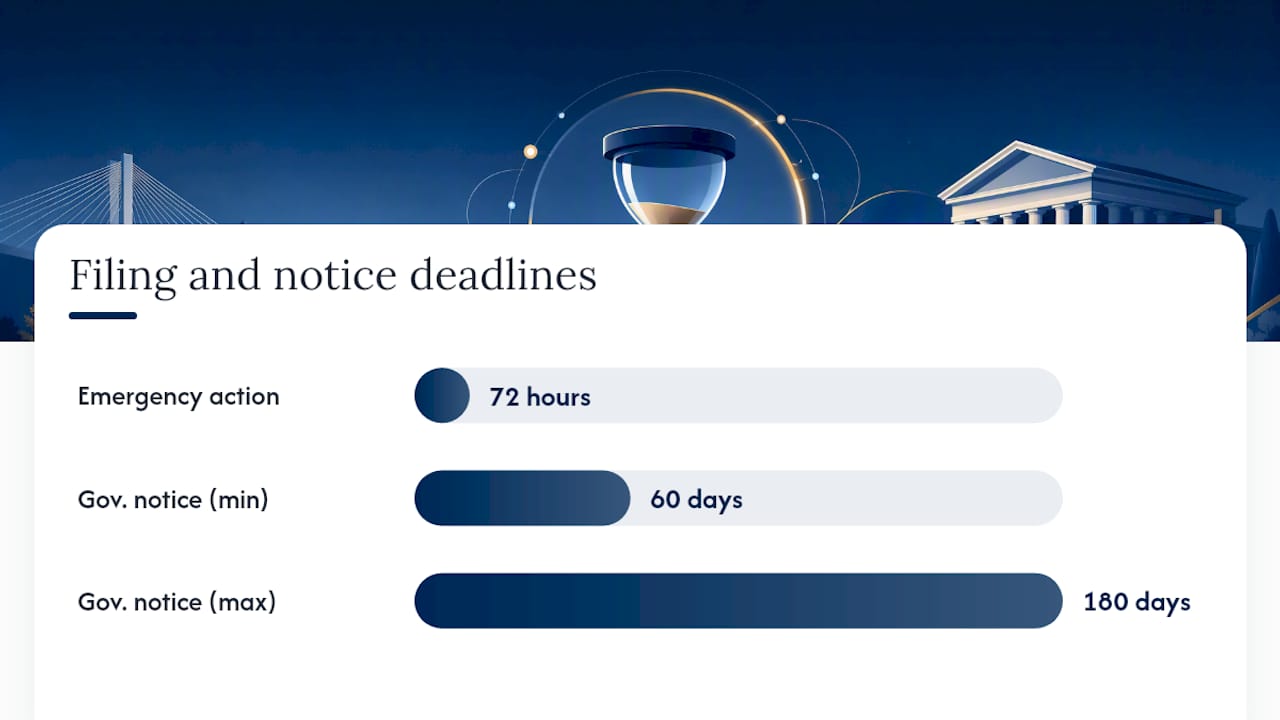
Table of Contents
- How a spinal cord injury lawsuit progresses from investigation to resolution
- Common legal theories used in spinal cord injury claims and when each applies
- What damages you can recover and how lifetime costs are calculated
- Deadlines and state variations: when you must file and what happens with government defendants
- Evidence and investigation: what proves liability and damages in an SCI case
- Settlement vs. trial: insurance tactics, value drivers, and when to go to court
- Workers’ compensation, government defendants, and third-party claims: how they interact
- How to choose and work with a spinal cord injury lawyer: questions to ask and red flags
- Why 2keller handles spinal cord injury claims the way it does
- Preserving your health insurance and managing liens after a settlement
- How pre-existing conditions affect your claim value and litigation strategy
- What to expect from an independent medical examination during your case
- Emotional and psychological support resources during the lawsuit process
- How to handle communications with insurance adjusters to protect your claim
- The appeals process after a trial verdict or settlement denial
- What injured clients most often get wrong about their SCI claims
- 2keller is ready to pursue your spinal cord injury claim
- Sources
How a spinal cord injury lawsuit progresses from investigation to resolution
Understanding the litigation timeline helps you stay grounded during what is often a multi-year process. Catastrophic injury cases rarely resolve quickly, and that is usually a sign the attorney is doing the job correctly.
-
Pre-filing investigation. Counsel gathers police reports, medical records, surveillance footage, and witness statements. For workplace injuries, OSHA reports and equipment maintenance logs are requested immediately to prevent spoliation.
-
Demand letter. Once the scope of injuries is clearer, counsel sends a written demand to the at-fault party’s insurer. In severe cases, this step is often deferred until maximum medical improvement (MMI) is reached or a life care plan is completed.
-
Filing the complaint. If the insurer does not respond with a fair offer, counsel files a formal complaint in the appropriate state court, naming all liable defendants.
-
Discovery. Both sides exchange evidence through written interrogatories, document requests, and depositions. The defense will depose you, your treating physicians, and your experts. This phase typically runs six to eighteen months in catastrophic SCI cases.
-
Expert reports. Life care planners, vocational economists, medical experts, and accident reconstructionists prepare written reports. These documents anchor the damages calculation and are the foundation of settlement negotiations.
-
Mediation or settlement negotiations. Most SCI cases resolve before trial. A neutral mediator facilitates structured negotiations. The strength of your life care plan and economic analysis largely determines the outcome here.
-
Trial. If no fair settlement is reached, the case goes before a jury. Trial preparation is intensive and expensive, but it is sometimes the only path to full compensation.
-
Post-trial and appeals. Either party may appeal a verdict. Appeals add months or years to the timeline but are sometimes necessary to protect a favorable outcome or challenge an unfair one.
Pro Tip: Never accept a settlement before reaching MMI or before a certified life care planner has completed a full cost projection. Early settlements routinely under-value lifetime care needs by hundreds of thousands of dollars.
Common legal theories used in spinal cord injury claims and when each applies
Most spinal cord injury claims rest on one or more of four legal theories. The facts of your case determine which applies, and sometimes more than one theory runs simultaneously against different defendants.
Negligence is the most common basis. You must prove four elements: the defendant owed you a duty of care, they breached that duty, the breach caused your injury, and you suffered measurable damages. A driver who ran a red light and struck your vehicle, fracturing your cervical spine, is a textbook negligence case.
Premises liability applies when a property owner’s failure to maintain safe conditions caused the fall or incident. A wet floor with no warning sign, a broken staircase railing, or an unmarked construction hazard can each support a premises liability claim. The key proof element is that the owner knew or should have known about the dangerous condition.
Product liability covers injuries caused by defective vehicles, medical devices, safety equipment, or industrial machinery. If a defective seatbelt failed to restrain you during a collision, or a faulty surgical implant caused cord compression, the manufacturer may be liable regardless of whether they were negligent. Strict liability standards often apply.
Medical malpractice arises when a physician, surgeon, or hospital deviates from the accepted standard of care and that deviation causes or worsens a spinal cord injury. Surgical errors during spinal procedures, delayed diagnosis of cord compression, or improper post-operative management are common examples. These cases require a medical malpractice expert to establish the standard of care and the deviation from it.
When multiple theories apply, counsel coordinates claims against multiple defendants simultaneously. A construction worker injured by a defective crane may pursue the equipment manufacturer under product liability, the general contractor under premises liability, and a co-worker’s employer under negligence, all in the same lawsuit.
- Expert witnesses are not optional in SCI cases; they are required to establish causation and standard of care in virtually every theory
- A biomechanical engineer may testify about the forces that caused the cord injury
- A neurosurgeon or physiatrist typically addresses the medical causation link between the incident and the diagnosed injury level
What damages you can recover and how lifetime costs are calculated
The financial scope of a severe spinal cord injury is staggering. Lifetime costs for people living with spinal cord injuries include medical care, attendant care, home and vehicle modifications, and adaptive equipment, often totaling multiple millions of dollars for severe injuries. A successful lawsuit must capture all of it.
Categories of recoverable damages:
- Past medical expenses: Emergency care, hospitalization, surgery, ICU, and acute rehabilitation
- Future medical expenses: Ongoing physician visits, medications, respiratory care, and equipment replacement cycles
- Attendant care: Personal care assistants, home health aides, and nursing facility costs if applicable
- Home and vehicle modifications: Wheelchair ramps, roll-in showers, hand controls, and accessible vehicles
- Lost earnings: Wages lost from the date of injury through the date of trial or settlement
- Lost earning capacity: The present value of future income the injured person can no longer earn, calculated by a vocational economist
- Pain and suffering: Non-economic damages for physical pain, emotional distress, and loss of enjoyment of life
- Punitive damages: Available in cases involving gross negligence or intentional misconduct; not available in every state
What a life care plan is and why it matters. A certified life care planner, typically a registered nurse or rehabilitation specialist with specialized credentials, creates a detailed, page-by-page projection of every medical and support cost the injured person will incur over their lifetime. This document is the single most influential piece of evidence in SCI valuation. According to SetCalc’s settlement analysis, settlement values are severity-driven and wide-ranging: incomplete injuries commonly fall in the mid-six-figure to low-seven-figure range, while complete quadriplegia cases often reach multi-million-dollar figures. A well-prepared life care plan can shift a settlement offer by millions.
Liens and structured settlements. If Medicare or Medicaid paid for any of your medical care, federal law requires repayment from your settlement proceeds. Your attorney must identify and negotiate these liens before any settlement is finalized. Structured settlements, which pay out over time rather than in a lump sum, can offer tax advantages and long-term financial security, but they require careful analysis before acceptance.
Deadlines and state variations: when you must file and what happens with government defendants
Every spinal cord injury claim has a filing deadline called the statute of limitations. Miss it, and the court will almost certainly dismiss your case regardless of how strong the evidence is.
Most states set a two-year or three-year window for personal injury claims, measured from the date of injury or, under the discovery rule, from the date you reasonably knew or should have known the injury was caused by another’s negligence. New Mexico, for example, typically applies a three-year statute of limitations for most personal injury claims, but claims against government entities carry significantly shorter notice requirements and distinct damage caps.
Key deadline rules to know:
- Government defendants: If a city, county, state agency, or public hospital caused your injury, most states require written notice of the claim within 60 to 180 days of the incident, well before any lawsuit is filed. Missing this notice deadline can permanently bar your claim.
- Medical malpractice: Many states impose separate, shorter statutes of limitations for malpractice claims, sometimes as short as two years from the date of the negligent act.
- Minors and incapacitated plaintiffs: Most states toll (pause) the statute of limitations for minors until they reach the age of majority, and for plaintiffs who are mentally incapacitated. However, tolling rules vary significantly by state.
- Discovery rule: In cases where the injury’s cause was not immediately apparent, the clock may start from the date of discovery rather than the incident date.
The practical takeaway: consult a spinal cord injury attorney as soon as possible after the injury. Waiting even a few weeks can jeopardize a government notice deadline. State-specific rules are non-negotiable, and the same injury can have dramatically different recoverable value depending on which state’s law governs.
Evidence and investigation: what proves liability and damages in an SCI case
Strong evidence is what separates a maximum recovery from a compromised one. Building a complete evidentiary record starts on the day of the injury and continues through trial.
Medical records to gather:
- Emergency room records, triage notes, and initial imaging reports
- Surgical operative reports and anesthesia records
- MRI and CT scan images and radiology interpretations
- ASIA (American Spinal Injury Association) impairment scale assessments, which classify injury completeness
- Inpatient rehabilitation records and therapy progress notes
- All follow-up physician notes, specialist consultations, and prescription records
Non-medical evidence:
- Police or accident reports and any citations issued
- Surveillance or dashcam video from the scene or nearby businesses
- Maintenance records for vehicles, equipment, or the property where the injury occurred
- Photographs of the scene, the hazard, and any visible injuries
- Witness names, phone numbers, and written statements obtained as soon as possible
Expert evidence types:
- Life care planner: projects lifetime medical and support costs
- Vocational economist: calculates lost earning capacity in present-value dollars
- Medical expert (neurosurgeon, physiatrist): establishes causation and prognosis
- Accident reconstructionist: recreates the mechanics of the incident for the jury
Preservation tips. Request medical records in writing immediately; hospitals can charge fees and take weeks to fulfill requests. If a defective product caused the injury, preserve it and instruct everyone involved not to repair or discard it. Preserve all digital evidence, including text messages, emails, and social media posts, because the defense will request them in discovery. A professionally produced video documenting your daily care needs can be highly persuasive in settlement negotiations and at trial, making long-term impairment concrete for adjusters and juries.
Settlement vs. trial: insurance tactics, value drivers, and when to go to court
Insurance companies defending SCI claims are not passive participants. They deploy specific tactics to reduce what they pay, and understanding those tactics helps you and your attorney respond effectively.
Common insurer tactics:
- Early low offers made before the full scope of injury is known, designed to close the claim before a life care plan is completed
- Surveillance of the injured person to challenge the severity of functional limitations
- Demanding an independent medical examination (IME) to generate a defense-friendly medical opinion
- Challenging the life care plan’s cost projections line by line, particularly attendant care hours and equipment replacement schedules
- Arguing pre-existing degenerative conditions caused the injury rather than the incident
What drives case value:
- Completeness of the injury (complete vs. incomplete; cervical vs. thoracic vs. lumbar)
- Age and pre-injury earning history
- Total available insurance coverage, including umbrella policies and uninsured/underinsured motorist (UM/UIM) coverage
- Quality of the life care plan and vocational economic analysis
- Strength of liability evidence and absence of comparative fault
- Documented quality-of-life impact, including caregiver testimony and daily care videos
Damages in severe SCI cases often exceed available policy limits. Identifying additional sources of recovery, such as employer vicarious liability, umbrella policies, or UM/UIM coverage, is critical to maximizing what you actually collect.
Pro Tip: Never sign a full release of claims before a life care planner and vocational economist have completed their analyses. A release is permanent. Once signed, you cannot return for additional compensation no matter how your medical needs escalate.
Workers’ compensation, government defendants, and third-party claims: how they interact
When a spinal cord injury happens at work, two separate legal tracks may be available simultaneously, and choosing the right strategy matters enormously.
-
Workers’ compensation provides no-fault benefits: medical treatment, a portion of lost wages, and permanent disability payments. The trade-off is that workers’ comp typically bars a direct negligence lawsuit against your employer. Benefits are capped by state schedules and do not include pain and suffering.
-
Third-party tort claims are available when someone other than your employer caused or contributed to the injury. A delivery driver injured by a negligent motorist, a construction worker hurt by a subcontractor’s equipment, or a factory worker injured by a defective machine can pursue a third-party negligence or product liability claim on top of workers’ comp benefits.
-
When both apply, the workers’ comp insurer typically has a lien on any third-party recovery, meaning they must be repaid from the tort settlement. Negotiating that lien down is a standard part of the resolution process.
-
Government defendants require special handling. If a government vehicle, a public school, a municipal property, or a government-employed contractor caused the injury, you must file a formal notice of claim within the government’s required window, often 60 to 180 days. New Mexico’s rules for government claims illustrate how distinct these requirements are from standard personal injury filings, including separate damage caps that apply to government defendants.
-
Common third-party defendants in workplace SCI cases include equipment manufacturers, subcontractors, property owners, vehicle owners, and staffing agencies whose employees contributed to the incident.
How to choose and work with a spinal cord injury lawyer: questions to ask and red flags
The attorney you hire for a catastrophic SCI case will make one of the most consequential decisions of your life alongside you. Vetting that choice carefully is worth the time.
Questions to ask at the first consultation:
- How many spinal cord injury cases have you handled, and have any gone to trial?
- Do you have an established network of life care planners, vocational economists, and medical experts?
- Does your firm advance the costs of litigation, including expert fees, without requiring upfront payment?
- What is your contingency fee percentage, and how are case costs handled if we do not win?
- Who will actually work on my case day to day, and how often will I receive updates?
Understanding contingency fees. Most spinal cord injury attorneys work on a contingency basis, meaning you pay no attorney fee unless you win. Contingency fees typically range from 33% to 40% of the recovery, with the percentage often increasing if the case goes to trial. Case costs, such as expert fees, filing fees, and deposition costs, are typically advanced by the firm and deducted from the recovery at the end.
Red flags to watch for:
- Pressure to accept a quick settlement before your medical picture is complete
- No financial resources to fund expert witnesses; preparing a full SCI case can require six-figure expert costs
- Lack of specific experience with catastrophic or paralysis injury claims
- Vague answers about who handles the case after the initial consultation
- No clear explanation of how case costs are handled
Your responsibilities as a client. Attend all medical appointments and follow your treatment plan consistently; gaps in treatment give the defense ammunition to argue your injuries are not as severe as claimed. Respond promptly to your attorney’s document requests. Avoid posting on social media about your physical activities or emotional state, as defense investigators routinely monitor these accounts.
Why 2keller handles spinal cord injury claims the way it does
2keller is a multi-state personal injury law firm practicing in Indiana, Michigan, and New Mexico, with a focus on catastrophic injury cases including spinal cord and paralysis claims. The firm works on a contingency fee basis, meaning there is no fee unless your case resolves in your favor. Free consultations are available, and the firm advances litigation costs so financial pressure never forces you into an early settlement.
For catastrophic SCI cases, 2keller coordinates life care planner engagement, vocational economic analysis, and expert medical testimony as part of its standard case-building process. The firm’s multi-state licensure means it can handle claims arising in Indiana, Michigan, and New Mexico under each state’s specific rules, including government notice requirements and applicable damage caps.
- Free initial consultation with no obligation
- Contingency fee model: you pay nothing unless the firm wins your case
- Coverage investigation to identify all available insurance sources, including umbrella and UM/UIM policies
- Coordination of life care planners and expert witnesses for full damages documentation
If your injury occurred in Indiana, Michigan, or New Mexico, contact 2keller to discuss your claim before a deadline passes.
Preserving your health insurance and managing liens after a settlement
Health insurance preservation is a practical concern that often gets overlooked in the early chaos following a spinal cord injury. If you receive employer-sponsored health coverage and your injury forces you out of work, COBRA continuation coverage gives you the right to maintain that insurance for up to 18 months. Losing coverage mid-litigation can interrupt treatment and create gaps in your medical record that the defense will exploit.
Lien management is equally critical. Medicare, Medicaid, and private health insurers who paid for your injury-related care have a legal right to be repaid from your settlement. Federal law governing Medicare liens is particularly strict; failing to satisfy a Medicare lien can result in the government pursuing repayment directly from you. Your attorney should identify every potential lien early, negotiate reductions where possible, and account for repayment in any settlement structure. Structured settlements, which distribute proceeds over time, can sometimes reduce the immediate lien burden while providing long-term financial security.
How pre-existing conditions affect your claim value and litigation strategy
A prior back surgery, degenerative disc disease, or a previous spinal injury does not disqualify you from pursuing compensation. Under the “eggshell plaintiff” doctrine, a defendant takes the victim as they find them. If their negligence aggravated a pre-existing condition or accelerated its deterioration, they are responsible for that aggravation.
The practical challenge is that defense attorneys will argue the pre-existing condition, not the incident, caused your current limitations. Your medical experts must draw a clear, documented line between your baseline condition before the incident and your condition after. Comparative imaging studies, pre-injury medical records, and testimony from treating physicians who knew you before the injury are all valuable tools for making that distinction concrete. Expect the defense to obtain and scrutinize every prior medical record related to your spine, and prepare your legal team accordingly.
What to expect from an independent medical examination during your case
An independent medical examination, or IME, is a medical evaluation requested by the defense or an insurance company and conducted by a physician of their choosing. Despite the word “independent,” these examinations are paid for by the defense and often produce opinions favorable to the insurer. You are generally required to attend an IME when one is properly requested during litigation.
Prepare carefully. Bring a complete list of your symptoms, functional limitations, and current medications. Arrive on time and answer questions honestly, but limit your answers to what is asked. Do not minimize your symptoms or try to appear more capable than you are on that particular day. Your attorney should brief you thoroughly before the examination and may, in some jurisdictions, be permitted to have a representative present.
The IME physician’s report will likely be used to challenge your life care plan, dispute the severity of your injury, or argue that your limitations stem from pre-existing conditions. Your treating physicians’ ongoing records are your best counter to an unfavorable IME opinion, which is one more reason consistent medical follow-through matters throughout the litigation.
Emotional and psychological support resources during the lawsuit process
Pursuing a spinal cord injury lawsuit while managing a catastrophic disability is genuinely exhausting. The legal process can take years, and the combination of physical pain, financial stress, and procedural uncertainty creates real psychological strain.
The Christopher & Dana Reeve Foundation maintains a network of resources for people living with paralysis, including peer mentoring programs that connect newly injured individuals with others who have navigated both recovery and litigation. The United Spinal Association offers advocacy, peer support, and practical guidance on living with SCI. Many rehabilitation hospitals have social workers and psychologists embedded in their SCI programs who can provide counseling and connect you with community resources.
Tell your attorney if the litigation process is affecting your mental health. Delays, deposition preparation, and IME scheduling can all be managed with your wellbeing in mind when counsel knows it is a concern. Psychological treatment records are also legitimate components of your non-economic damages claim, so continuing mental health care serves both your recovery and your case.
How to handle communications with insurance adjusters to protect your claim
The adjuster calling you after a spinal cord injury is not there to help you. Their job is to gather information that limits the insurer’s exposure. A few specific rules protect your claim from the first contact forward.
Do not give a recorded statement to any adjuster, for any insurer, without your attorney present. Recorded statements are used to lock you into descriptions of your injuries and the incident before you fully understand either. Adjusters are trained to ask questions that elicit minimizing answers, such as “Are you feeling better?” or “Were you able to walk away from the scene?”
Refer all insurer communications to your attorney once you have retained one. This is not evasion; it is standard practice. If you have not yet retained counsel, limit your responses to confirming basic facts: your name, the date and location of the incident, and your contact information. Never speculate about fault, describe the extent of your injuries, or discuss your prior medical history.
Be equally cautious with your own auto insurer if you are pursuing an uninsured motorist claim. Your own insurer has a financial interest in minimizing the payout, even though you pay their premiums.
The appeals process after a trial verdict or settlement denial
If a jury returns a verdict you believe is legally flawed, or if a court denies a motion that materially affected the outcome, an appeal may be available. Appeals are not retrials; they review whether legal errors occurred during the proceedings below, not whether the jury reached the “right” factual conclusion.
The appellate process begins with filing a notice of appeal within a strict deadline, typically 30 days after the final judgment in most states. Your attorney then files a written brief arguing the legal errors and their impact on the verdict. The opposing party files a response brief, and the appellate court may schedule oral argument before issuing a written opinion.
Appeals in catastrophic injury cases can take one to three years. They are expensive and uncertain, but they are sometimes the right tool when a trial court made a significant legal error, such as improperly excluding key expert testimony or giving the jury incorrect instructions on damages. If the appellate court agrees an error occurred, it may order a new trial or, in some cases, direct the lower court to enter a different judgment.
What injured clients most often get wrong about their SCI claims
The single most damaging decision I see in spinal cord injury cases is accepting an early settlement offer before the full picture of lifetime costs is established. Insurers know that injured people face immediate financial pressure, and they make early offers precisely because those offers close claims before a life care plan reveals the true scope of damages. A settlement that looks substantial in the first months after injury can fall millions of dollars short of actual lifetime needs.
What not to do:
- Do not accept any settlement offer before a life care plan and vocational economic analysis are complete
- Do not speak with any insurance adjuster without counsel present
- Do not let medical records go unrequested or unpreserved; records can be lost, altered, or become unavailable over time
- Do not post about your physical condition or activities on social media during litigation
- Do not assume workers’ compensation is your only option if a third party contributed to your injury
Legal representation in these cases costs you nothing unless you win. That structure exists precisely so that financial pressure does not force you into a bad decision.
2keller is ready to pursue your spinal cord injury claim
When the stakes are this high, the firm you choose needs the financial resources to build the case fully, the expert network to document lifetime costs accurately, and the trial experience to press for full value when insurers resist.

2keller represents spinal cord injury clients in Indiana, Michigan, and New Mexico on a pure contingency fee basis. There is no attorney fee unless the firm wins your case, and litigation costs are advanced by the firm so you never have to choose between paying for experts and paying for your care. The firm coordinates life care planners, vocational economists, and medical experts as part of its standard approach to catastrophic injury cases, and it investigates all available insurance sources, including umbrella policies and UM/UIM coverage, to maximize what you actually recover.
Free consultations are available now. Contact 2keller to speak with a spinal cord injury attorney about your claim before a filing deadline or government notice window closes.
This article is general information, not a substitute for advice from a qualified lawyer. Consult a qualified legal professional about your own circumstances before acting on anything here.
Sources
- Spinal Injury Lawsuit: Damages, Deadlines, and Process – LegalClarity
- Spinal cord injury – Symptoms and causes – Mayo Clinic
- Spinal Cord Injury Settlement Calculator: Paralysis & SCI Values (2026) | SetCalc
- Costs of living with spinal cord injury – Christopher & Dana Reeve Foundation
- New Mexico personal injury laws and liability rules – Nolo